18,200
Projected U.S. openings per year
2024-2034
The BLS total includes growth and replacement openings, not only entry-level airline jobs.
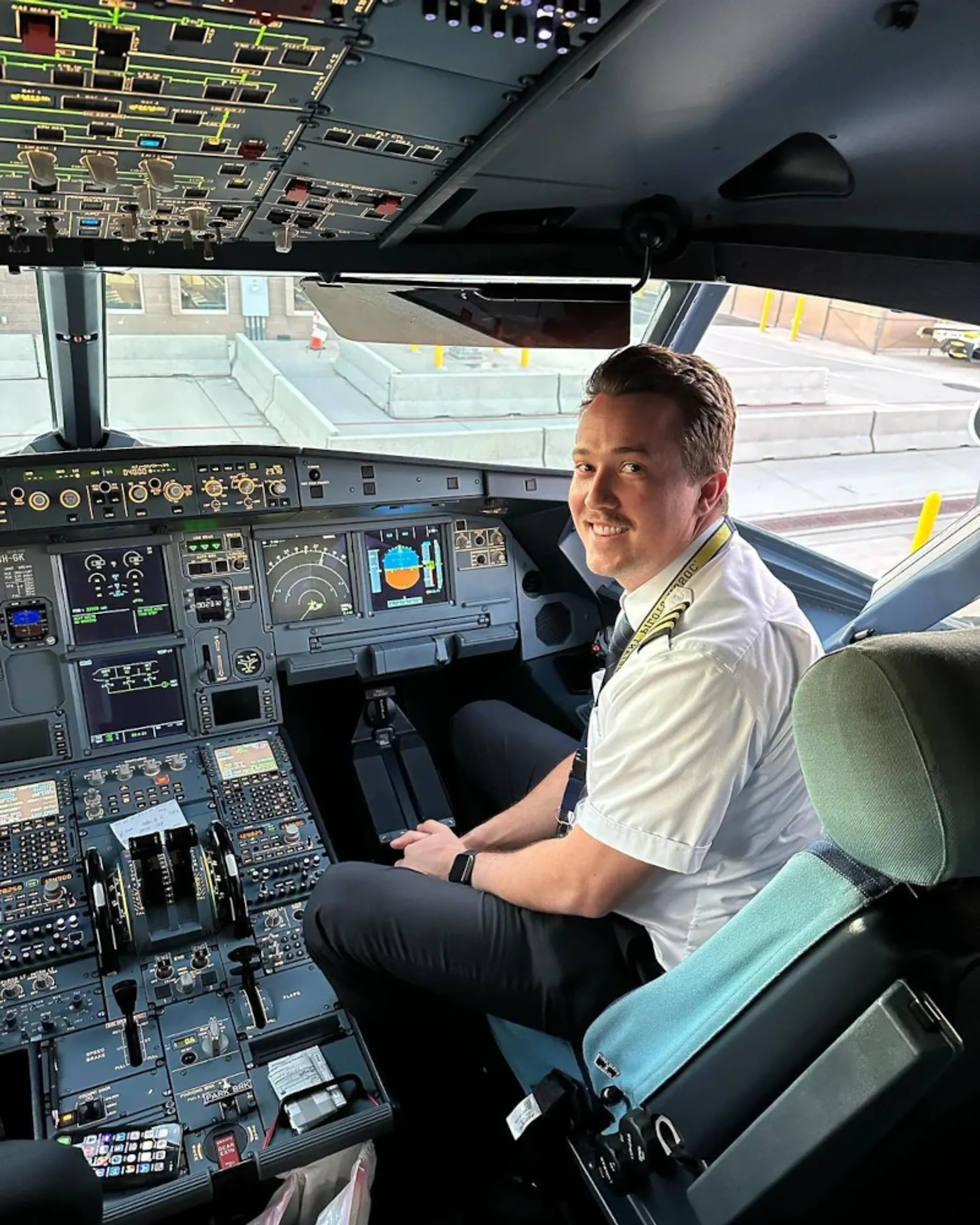
Professional flying offers strong long-term potential across airlines, cargo, charter, instruction, and specialized aviation. Explore the opportunities, training routes, and practical steps that can turn that potential into a career plan.
Pilot career outlook
National projections point to meaningful long-term opportunity, with demand spanning passenger airlines, commercial operations, and a growing global fleet.
18,200
2024-2034
The BLS total includes growth and replacement openings, not only entry-level airline jobs.
$226,600
May 2024
The BLS median reflects pilots across experience levels, employers, and aircraft types.
$122,670
May 2024
This BLS figure covers the broader commercial-pilot occupation, including experienced pilots.
674,000
2026-2045
Boeing’s global forecast for long-term demand across the commercial aviation industry.
These figures describe occupation-wide wages and long-range forecasts. Starting pay and near-term openings vary by role, employer, experience, location, and hiring conditions.
Job availability and demand
The strongest U.S. evidence is the Bureau of Labor Statistics projection of about 18,200 airline and commercial pilot openings per year from 2024 through 2034. Many will replace pilots who retire, transfer, or leave the workforce; overall employment is projected to grow 4%, while commercial pilot employment is projected to grow 5%.
The FAA also forecasts domestic passenger growth averaging 2.4% per year through 2046 and continued growth in active commercial and ATP certificate holders. Those indicators support a long-term career case, but certificate counts and passenger forecasts are not the same as open jobs. Airline profitability, aircraft deliveries, training capacity, and the economy can accelerate or slow hiring in any given year.
Retirements and other workforce exits create far more openings than net employment growth alone suggests.
Long-range passenger and commercial-operation growth supports continued demand for flight crews.
The BLS expects e-commerce freight activity and demand for private charter flights to support pilot employment.
Boeing's industry model expects fleet growth and attrition to require substantial global pilot training.
More than one cockpit
Airlines are only one destination. Qualifications and hiring standards vary by employer, aircraft, and type of operation, so treat each option as a pathway to research rather than a promised first job.
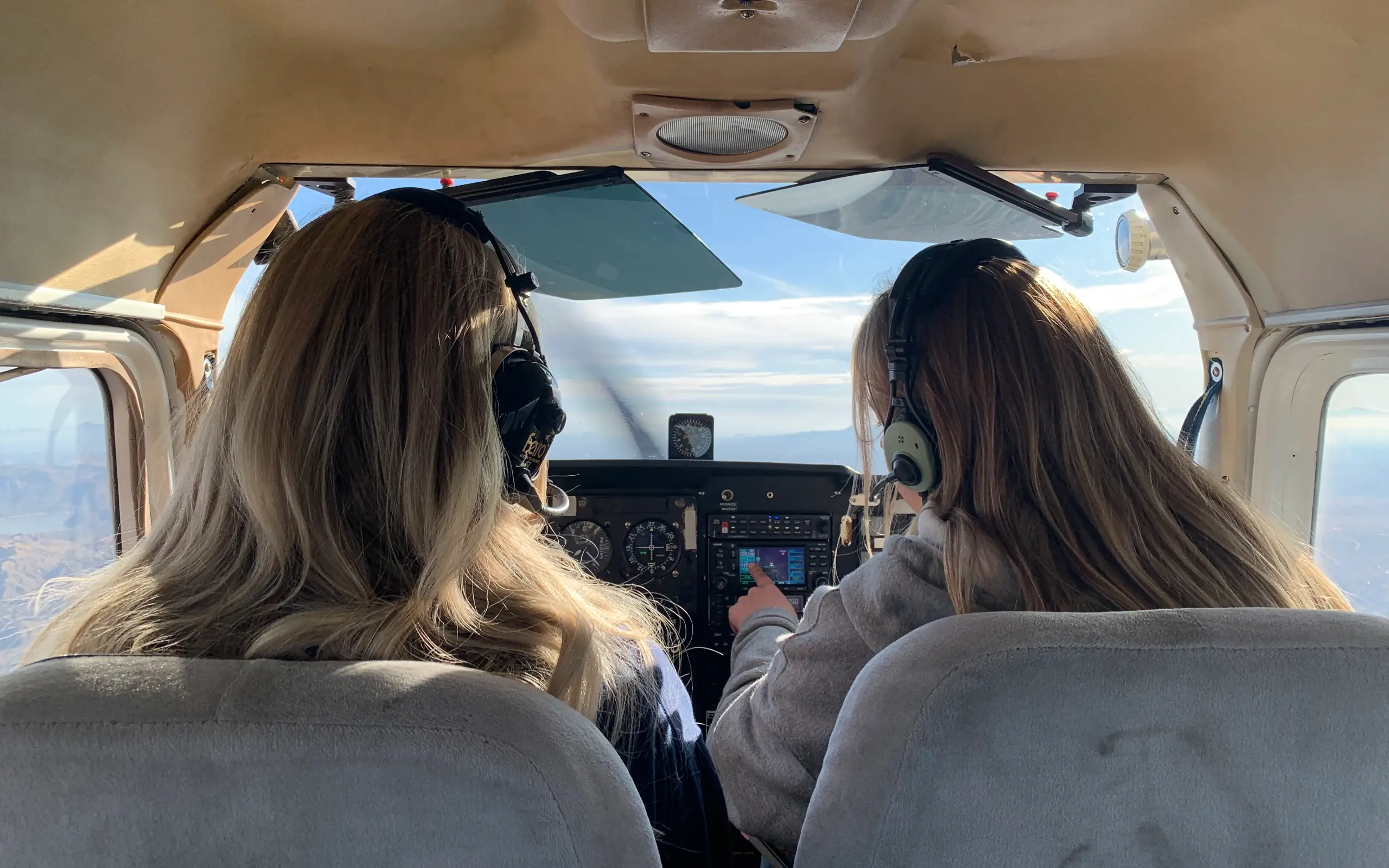
Teach new pilots while developing professional judgment and accumulating experience.
A common bridge after commercial and CFI certification; employment depends on school needs and instructor qualifications.
Fly scheduled passenger service, usually beginning as a first officer and advancing through seniority.
Requires ATP or qualifying R-ATP eligibility, employer selection, and airline training.
Move freight for scheduled carriers, express-delivery networks, and smaller operators.
Requirements vary widely with the operator, aircraft, and type of operation.
Fly private, business, and on-demand trips with schedules and destinations that change frequently.
Employers commonly value instrument proficiency, multi-engine experience, and strong customer service.
Support time-sensitive medical transportation in fixed-wing aircraft or helicopters.
Operators set experience and aircraft requirements appropriate to demanding missions.
Serve surveying, photography, agriculture, firefighting, patrol, or similar specialized missions.
Each niche can require additional training, low-level experience, or mission-specific qualifications.
Move from operational flying into inspection, training, standards, safety, or public-service roles.
These positions generally require substantial prior experience and role-specific qualifications.
Emerging aircraft may support air-taxi, cargo, medical, and short-haul missions.
The FAA has created pilot and instructor rules, but the scale and timing of hiring remain uncertain.
From student to professional
Initial training and experience building are separate stages. Earning a commercial certificate creates professional privileges; it does not automatically meet an airline's hiring standard.
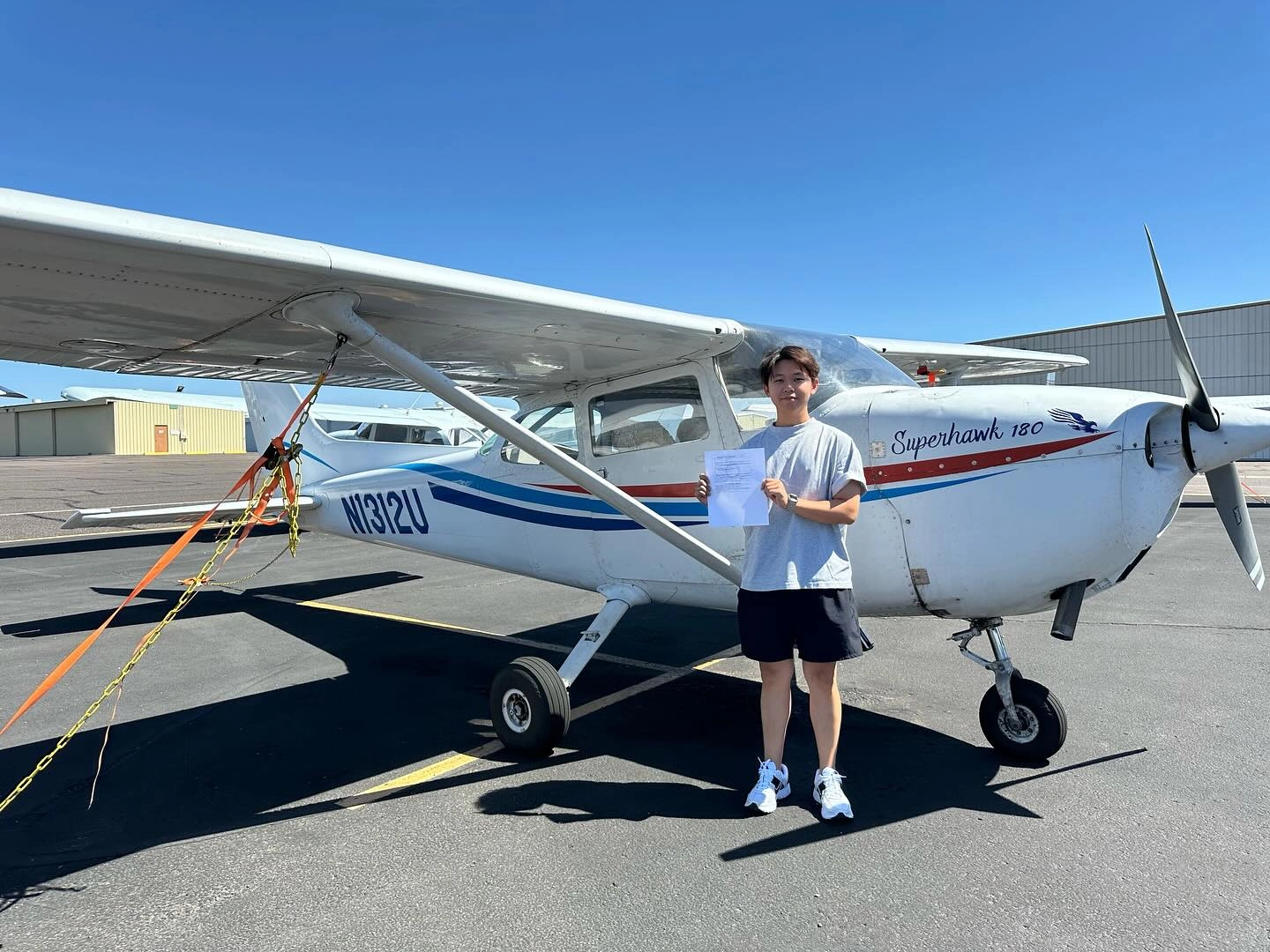
Take a discovery flight. If an airline career is the goal, investigate first-class medical eligibility before making a large financial commitment.
Progress through Private Pilot, Instrument Rating, Commercial Pilot, and Flight Instructor training. Our career program takes you from start to finish.
FAA guidance uses 250 total hours as the standard commercial certificate threshold, but employers may require substantially more or different experience.
Many pilots instruct or work in another commercial role while accumulating the experience and qualifications sought by later employers.
Most new Part 121 airline pilots need 1,500 hours. Specific FAA-authorized aviation-degree programs can support restricted-privileges ATP eligibility with reduced experience.
Pilot training vs. college
Is it worth becoming a pilot without a college degree? For many career-focused students, the decision comes down to more than the initial price. The better comparison is total cost, time until you can qualify for paid work, and how quickly that work can begin returning the investment.
Standalone flight training usually requires a larger specialized investment up front. Our core career-training estimate is $89,000, derived from the same course data as our live estimator. Unlike a general degree, however, focused training can lead to commercial and CFI qualifications in roughly 11-14 months for a full-time student. A new CFI will then be able to earn income while teaching and building the flight experience required for stronger pilot positions.
Students pursuing a pilot career without a college degree who want a focused route from beginner to employable aviation qualifications.
Students who want a broad academic credential, time to explore career options, and access to jobs where a degree is required or preferred.
Whole-path comparison
Flight training has a high upfront cost, but its focused timeline can create an earlier path to paid work. College spreads education across a longer period and offers broader career flexibility, while its career-specific financial return commonly begins after graduation.
Trends in College Pricing and Student Aid 2025 Airline and Commercial Pilots: Occupational Outlook HandbookStandalone flight training
$89,000 investment
~$122,670 average annual pay for commercial pilots
Four-year college degree
$123K-$261K investment
Pay varies by major and usually starts after graduation
The honest planning conversation
A student can request a first-class medical before holding an ATP certificate. Address known conditions or medications with an Aviation Medical Examiner early.
Compare written estimates line by line, identify excluded fees, and understand interest, repayment, and approval terms before borrowing.
Long-term openings can coexist with short-term hiring slowdowns. Airline schedules, bases, advancement, and pay are strongly influenced by seniority.
Pilots can work nights, weekends, holidays, reserve assignments, and trips away from home. Moving or commuting may expand opportunities.
Part 121 airlines cannot employ pilots after age 65, although other flying and aviation roles may remain available.
Professional pilots complete employer training, checking, medical reviews, and recurrent qualification throughout their careers.
Technology and emerging aircraft
Automation will keep changing how pilots monitor systems, manage information, and make decisions. That does not make today's career path obsolete. Current U.S. Part 121 rules require at least two pilots, and Boeing's 2026 commercial forecast does not assume single-pilot commercial-airplane operations.
At the same time, aviation is adding new categories. The FAA has established pilot and instructor qualification rules for powered-lift aircraft that may serve air-taxi, cargo, medical, and short-haul missions. Their entry into service and hiring scale are still uncertain, so they should be viewed as an emerging option rather than a guaranteed pipeline.
A practical next step
Pilot Career Questions
Use current career data and FAA guidance to compare the opportunities, requirements, and routes ahead.
Is becoming a pilot still a good career choice?
Yes, especially for someone who enjoys flying and is prepared for the training, experience building, variable schedules, and hiring cycles that come with the profession. The BLS projects about 18,200 openings per year from 2024 to 2034. Start by taking a discovery flight and reviewing the full career pathway.
Is there really a pilot shortage?
Yes. Expected retirements are creating strong long-term demand for new pilots. However, the outlook is best understood through specific employment projections rather than a broad shortage claim. The BLS projects continued U.S. openings, the FAA forecasts long-term traffic growth, and industry forecasts show a large global training need. Short-term hiring can still slow because of economic conditions, aircraft availability, training capacity, or changes at individual employers.
Do airline pilots need a college degree?
The FAA does not generally require a college degree for pilot certification, but employers may prefer or consider one. Graduates of specific FAA-authorized aviation-degree programs may qualify for restricted-privileges ATP certification with reduced flight experience. Not every aviation program qualifies, so verify the exact institution and curriculum with the FAA.
How much do pilots earn?
The BLS reported May 2024 median annual wages of $226,600 for airline pilots, copilots, and flight engineers and $122,670 for commercial pilots. Actual pay varies by seniority, employer, aircraft, schedule, location, and experience; these occupation-wide medians should not be read as starting salaries.
Is flight school better than college for becoming a pilot?
Neither path is universally better. Standalone flight training requires a greater upfront investment but can lead to paid aviation work sooner. College spreads costs over a longer period and provides broader career flexibility across industries. Students can also combine independent flight training with a non-aviation degree. Compare total cost, time to earning potential, learning style, and long-term career options.
How long does the path to an airline cockpit take?
The timeline has two parts: earning certificates and then building experience. Our career-program estimate covers the initial certificate sequence, but reaching airline eligibility requires additional flight experience. Most new Part 121 pilots need 1,500 hours unless they qualify for restricted-privileges ATP eligibility. Weather, proficiency, finances, job availability, and training consistency all affect timing.
Which FAA medical should an aspiring airline pilot get?
The FAA advises students planning a commercial career to apply for the highest medical class they may need. An Aviation Medical Examiner can explain the application process; some medical histories require additional documentation or FAA review.
Will automation eliminate pilot jobs?
Automation will continue changing pilot tasks, but current Part 121 rules require at least two pilots, and Boeing's 2026 forecast does not assume single-pilot commercial-airplane operations. Regulations and technology can change, so this conclusion should be reviewed regularly rather than treated as permanent.
If you have any additional questions please send us an email to [email protected]
Methodology and references
Government sources anchor U.S. wages, openings, certification, medical standards, regulations, and traffic forecasts. Boeing is included as a separately labeled manufacturer forecast for global commercial aviation. Active certificate holders are not treated as jobs, and projected openings are not treated as immediate vacancies.
College figures are national budgets rather than universal net prices. Our estimates describe current training assumptions and remain subject to proficiency, scheduling, current rates, and excluded expenses.
Last reviewed
July 27, 2026
Primary U.S. source for occupation-wide wages, employment growth, openings, work environment, and typical education.
May 2024 wages; 2024-2034 projections
Primary U.S. forecast for air travel, operations, general aviation activity, and active pilot certificate holders.
2026-2046 forecast
Manufacturer forecast for global commercial aviation. It excludes business aviation and civil helicopters and does not assume single-pilot commercial-airplane operations.
2026-2045 forecast
Explains the 250-hour commercial certificate threshold and employer-specific experience standards.
Current FAA guidance
Explains ATP training and restricted-privileges ATP eligibility through specific authorized aviation-degree programs.
Current FAA guidance
National one-year student budgets. Published budgets are not the same as net price after grants and scholarships.
2025-2026 academic year
Official medical application guidance, including documentation and special-issuance considerations.
Current FAA guidance
Advises students planning a commercial aviation career to apply for the highest medical class they may need.
Current FAA guidance
Explains the age-65 employment limit for pilots at Part 121 airlines and its limited scope.
Current FAA guidance
Current rule requiring a minimum crew of two pilots for Part 121 operations.
Current as of July 23, 2026
Describes powered-lift aircraft, commercial operating frameworks, and pilot and instructor certification requirements.
Current FAA framework
Our training sequence and full-time completion estimate; timing depends on proficiency and availability.
SimpliFly program guidance
Our training cost estimates. Actual cost varies and optional items, tests, checkrides, medicals, and living expenses may be separate.
SimpliFly cost estimator
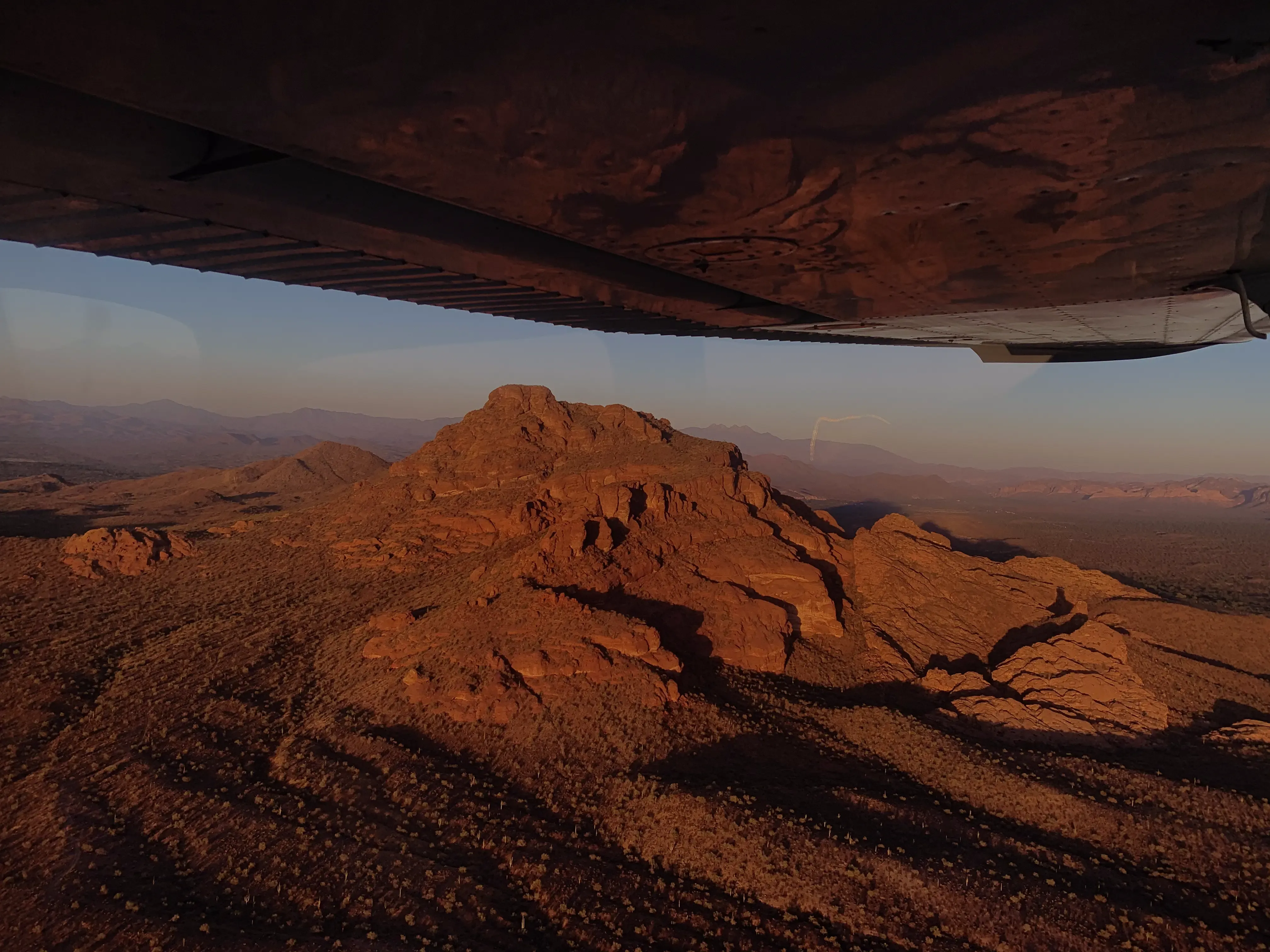
We are a team of aviation experts in Mesa, AZ with decades of combined experience in the flight training industry. Our simple and effective training programs are designed to get you safely in the air as quickly as possible.