IMSAFE and PAVE Checklists for Better Pilot Decisions
Published by:
Greg Hadley
In This Article
You arrive at the airport with a plan. The airplane is available, the route is familiar, and the weather looks workable. Then you notice the headache you hoped would fade has not. The wind is stronger than forecast.
No single detail settles the question. The combination creates the risk. That is where the IMSAFE and PAVE checklists help. IMSAFE checks whether you are ready; PAVE widens the scan to the pilot, aircraft, environment, and external pressures. Together, they turn a vague concern into a deliberate go, change, delay, or no-go choice.
At SimpliFly Flight School in Mesa, we want student pilots to understand more than what each letter means. The real skill is noticing when several ordinary concerns begin stacking up, and acting before momentum makes the decision for you.
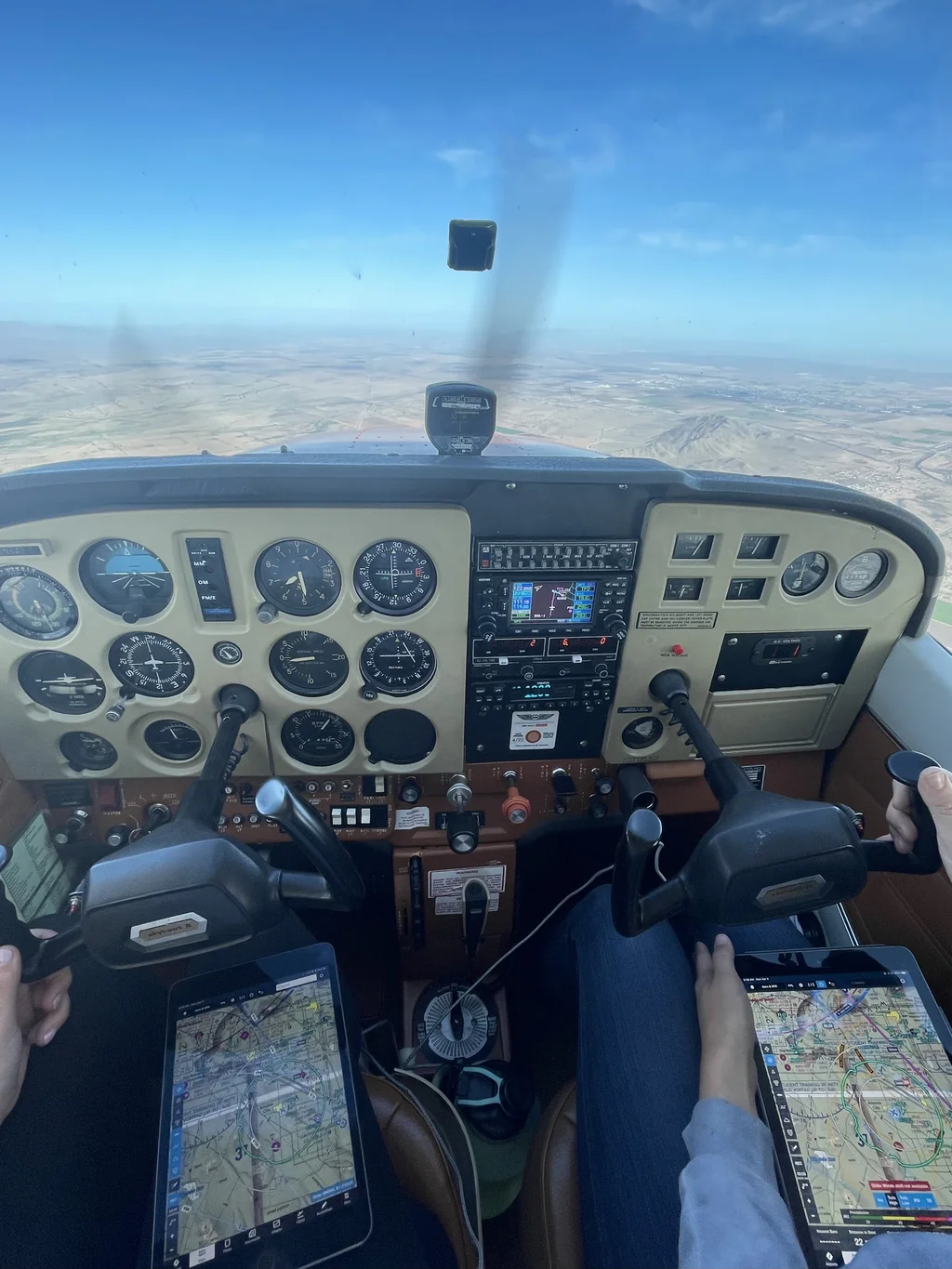
A good flight decision begins before the airplane moves.
IMSAFE starts with the one risk factor you carry into every flight
The IMSAFE checklist is a quick personal readiness check within the Pilot portion of PAVE. Give it a quiet moment before you consider the rest of the flight.
- Illness: Do you have symptoms that could affect comfort, focus, judgment, or performance?
- Medication: Have you taken a prescription or over-the-counter medication, and have you confirmed that it is compatible with flying?
- Stress: Is work, family, money, training pressure, or another concern consuming attention you need in the cockpit?
- Alcohol: Are you fully clear of alcohol and compliant with every applicable rule and personal limit?
- Fatigue: Did you get enough quality rest for the demands of this flight?
- Eating/Emotion: Have you eaten and hydrated appropriately, and is your emotional state steady enough for sound decisions?
Answering IMSAFE honestly demonstrates pilot-in-command judgment. A “no” today may become a “yes” after food, rest, a conversation with your instructor, a medication question discussed with the right medical professional, or simply more time.
If health or medication raises a certification question, seek qualified guidance. Our overview of FAA medical certification for pilots can help you organize your questions before speaking with an aviation medical examiner or consulting FAA resources.
PAVE expands the review beyond weather
After IMSAFE, use PAVE to scan four categories:
| PAVE category | What to examine | A useful decision question |
|---|---|---|
| Pilot | IMSAFE, currency, recency, proficiency, and personal minimums | Am I ready for this specific flight today? |
| Aircraft | Airworthiness status, equipment, performance, fuel, weight and balance, and limitations | Is this the right aircraft for the mission and conditions? |
| enVironment | Weather, terrain, airports, runway conditions, airspace, daylight, and route | Where could conditions narrow my options? |
| External pressures | Schedule, passengers, cost, expectations, and desire to complete the trip | What is pushing me toward the answer I want? |
Weather is one part of the review. Clear skies can still coincide with fatigue, an overloaded airplane, an unfamiliar airport, or pressure to arrive on time.
The FAA’s PAVE checklist treats these categories as a way to identify hazards and decide whether the risks can be managed. To see how the aircraft side becomes concrete during training, explore our training fleet and notice how equipment, useful load, performance, and familiarity can change the plan.
The best preflight answer is sometimes “go—with a change”
A checklist organizes the information behind a GO or NO-GO call. You choose the response that addresses the hazards you found.
Imagine a student planning a late-afternoon local lesson. IMSAFE is clear. Under PAVE, the aircraft is suitable and available, but the environment shows rising winds near the student’s personal limit. There is also external pressure to finish a planned milestone before a busy week.
The choices are broader than launch or cancel:
- Move the flight earlier, before the forecast wind increase.
- Change the lesson to ground work or simulator practice.
- Keep the lesson local instead of flying the original route.
- Bring an instructor when a solo lesson no longer fits the conditions or training plan.
- Delay until conditions fit the lesson and the pilot.
Changing the plan is a successful use of the checklist. It can preserve training value when the original lesson no longer fits the conditions. Our Pilot Training Made Simple approach begins with understanding where you are now and choosing the next useful step. Training days can take different forms and still move you forward.
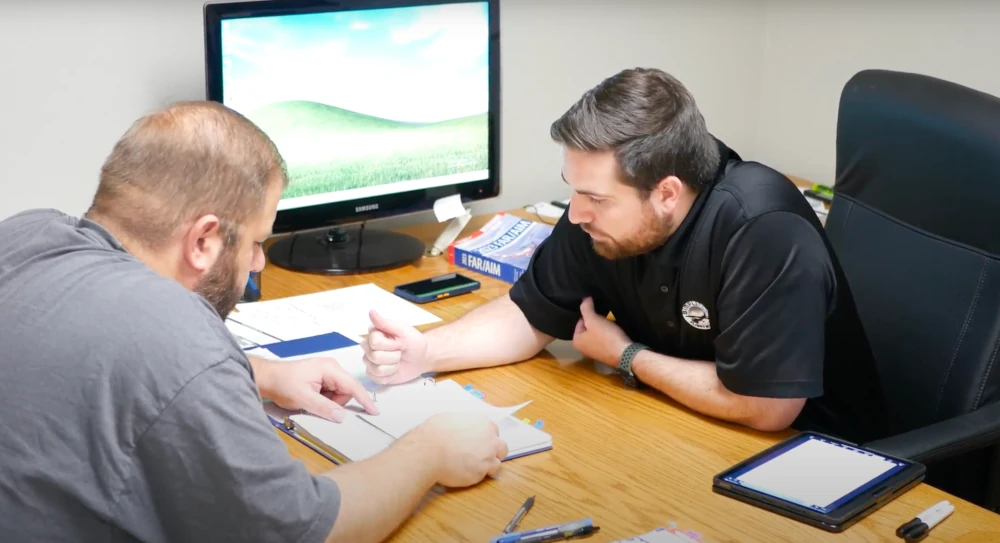
Changing the lesson can preserve momentum when the original plan no longer fits.
Watch for risk stacking before one concern becomes four
Risk often becomes harder to manage when small concerns interact. You slept a little less than usual. The aircraft has different avionics than the one you normally fly. Visibility is acceptable but lower than you prefer. Your passenger has an appointment after landing.
Individually, each item may seem manageable. Together, they can reduce margin and increase workload. A useful way to respond is:
- Name each concern without minimizing it. Write it down if that slows the decision enough to make it honest.
- Compare it with a defined boundary. Use regulations, aircraft limitations, instructor restrictions, and your current personal minimums.
- Choose a specific control. Remove weight, change time or route, bring an instructor, add fuel within weight limits, or cancel.
- Recheck the whole picture. A change in one category can create a new issue in another.
IMSAFE and PAVE organize your review while current weather information, regulations, aircraft limitations, instructor solo limitations, and pilot-in-command responsibility continue to govern the operation. Pair the checklists with written personal minimums for Arizona flying that you review with an instructor and revise as your proficiency changes.
External pressure is dangerous because it can sound reasonable
External pressure often sounds reasonable: “The airplane is already booked,” “Everyone is waiting,” or “I cannot afford to lose today’s lesson.” Each concern belongs in the plan. None should override the hazards you identified.
Training cost deserves honest planning. Consistent flying can support progress, while repeated gaps may create additional review needs. Protect your budget by accounting for weather flexibility and rescheduling from the beginning. Launching when the pilot, aircraft, or lesson no longer fits the conditions can create a much larger problem.
If cost pressure is shaping your choices, review the factors that affect pilot training costs and compare flight training financing options before committing. Financing availability and terms depend on the provider and applicant, so evaluate current disclosures, fees, and the full training estimate alongside the monthly payment.
Run the check again when the flight changes
A careful decision at home can become outdated by the time you reach the run-up area. Weather moves. A runway closes. A passenger feels sick. A warning light appears. A delay turns a daylight arrival into a night arrival.
Treat PAVE as an ongoing scan. Recheck the categories whenever the route, timing, aircraft status, weather, passengers, or pressure changes. Run IMSAFE again as well; fatigue and stress can rise during delays or after a demanding leg.
This habit is especially useful during flight training, when each lesson introduces new workload. Before your first lesson, a discovery flight gives you a practical look at the briefing, aircraft, airport environment, and instructor communication that surround the flying itself.

Conditions can change after the first decision, so the risk scan must stay active.
Make IMSAFE and PAVE part of your normal briefing
The acronyms become valuable through repetition. Try this sequence before your next training flight:
- Complete IMSAFE privately and answer each item without bargaining.
- Move through all four PAVE categories.
- Mark concerns that are close to a legal limit, aircraft limit, instructor restriction, or personal minimum.
- Look for combinations that increase workload or reduce options.
- State the decision: go, go with changes, delay, or no-go.
- Name what would trigger another review.
- Debrief the outcome afterward, including any launch you declined.
Bring the result to your instructor. A good debrief can show whether a limit is serving you, where more proficiency would help, and which alternatives you did not see at first. If you are comparing training paths, start with our flight training programs and use this same decision mindset to choose a schedule that fits your life and supports consistent preparation.
IMSAFE and PAVE checklist FAQ
Is IMSAFE part of PAVE?
Yes. IMSAFE is the focused self-check inside the Pilot category of PAVE. It helps you assess physical and emotional readiness before you evaluate the rest of the flight. Student pilots can build this habit from the beginning of private pilot training.
Should I use both checklists before every flight?
Using both creates a repeatable scan of personal and flight-wide risk. Revisit them when conditions change. They supplement, not replace, required preflight action, aircraft checklists, legal limits, or instructor restrictions. Our guide to aviation safety standards in flight training explains the broader training context.
What if only one IMSAFE item concerns me?
Do not dismiss it because the other five look good. Assess how that concern affects this flight’s demands, then seek qualified guidance or change the plan as appropriate. For medication or health questions, begin with pilot medical certification resources.
Can PAVE tell me whether a flight is safe?
PAVE helps identify hazards; it does not guarantee an outcome or make the decision for you. You must assess the whole picture, apply effective controls, and be willing to delay or cancel. Learning with the people behind the program matters, which is why we invite prospective students to meet the SimpliFly team.
How are personal minimums different from PAVE?
PAVE organizes the categories you examine. Personal minimums provide individual decision boundaries within those categories, based on your current experience and proficiency. Review both with an instructor rather than copying another pilot’s numbers. Learn more in our personal minimums guide.
Practice the decision before the pressure arrives
Good aeronautical decision-making starts with seeing the whole situation early enough to keep useful options open. IMSAFE checks the pilot. PAVE checks the flight. Together, they create a disciplined pause before momentum takes over.
Ready to see how briefing, planning, and cockpit instruction fit together? Schedule a discovery flight with us and bring your questions about the decisions pilots make before takeoff.