Flight Training Financing Options: What to Ask Before You Enroll
Published by:
Greg Hadley
In This Article
If you’re considering financing your pilot training, the questions you ask before you enroll can save you thousands of dollars and headaches later. Let’s walk through what really matters when you’re evaluating financing options.
Why Financing Questions Matter
Flight training is a significant investment, and many students use financing to make that investment manageable. But financing terms vary widely: interest rates, what costs are covered, eligibility requirements, and repayment timelines differ between lenders. Asking the right questions now means you’re not surprised by hidden fees or caught in an unfavorable loan later.
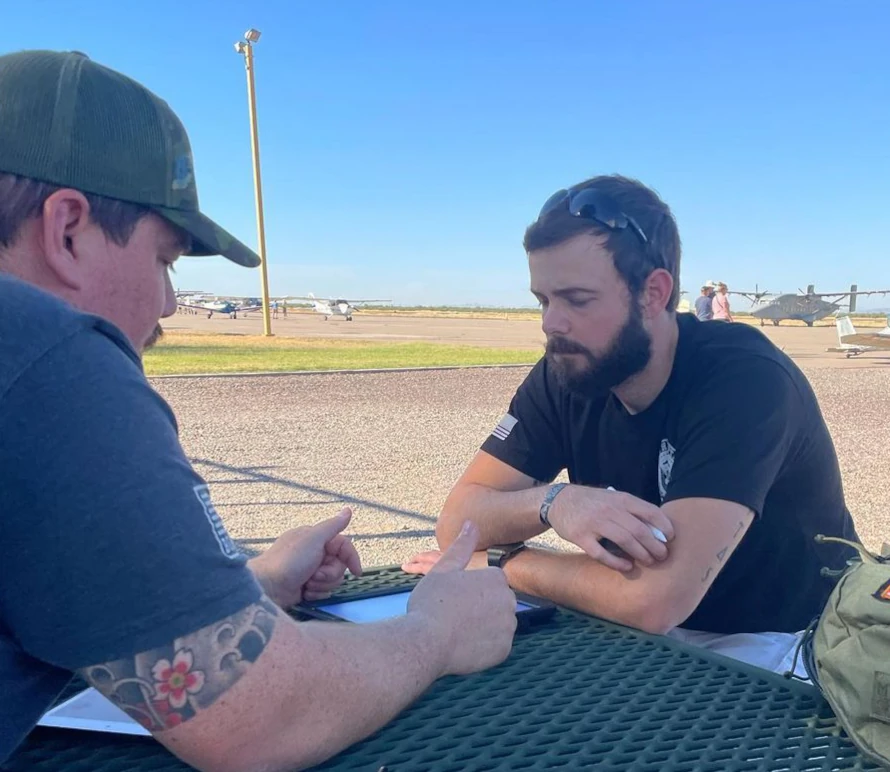
Talk with our team to clear any questions you have on financing and training in general.
The Five Key Questions to Ask
1. What Interest Rate and Repayment Terms Do You Offer?
This is the core of any loan. Ask for:
- The annual percentage rate (APR), not just the interest rate
- Repayment timeline, how many months or years to pay back?
- Monthly payment estimate for your loan amount
- Any fees, origination fees, prepayment penalties, or administrative charges
Interest rates and terms depend on your credit profile, the lender, and your school’s financing partnerships. We partner with Stratus Financial, Flight Training Finance, and AOPA Finance, three lenders that specialize in aviation training and understand pilot training costs. Each has different rate structures, so it’s worth comparing.
2. What Does the Financing Actually Cover?
This matters more than many students realize. Ask whether the loan covers:
- Aircraft rental hours for training flights
- Instructor fees for both flight and ground instruction
- Testing and checkride fees (written exam, DPE practical test)
- Starter kit items (headset, books, charts, iPad apps, supplies)
- Medical certificate exam (if applicable)
- Additional hours if you need more than the FAA minimum
Some loans cover the full training cost. Others cover only aircraft and instructor. Some require you to pay testing and kit costs upfront. Knowing the difference helps you plan your total out-of-pocket expense.
3. What Are the Eligibility Requirements?
Different lenders have different criteria. Ask about:
- Credit score minimum. Will they work with your credit profile?
- Income or employment requirements. Do you need to be employed full-time?
- Co-signer options. Can a family member co-sign if your credit is thin?
- Age restrictions. Most lenders require you to be 18+
- Residency requirements. Do you need to be a U.S. resident?
Our financing partners are used to working with students of all financial backgrounds. If your profile doesn’t fit one lender’s requirements, another might be a better fit.
4. Is the Financing Portable Between Schools?
This is a critical question many students skip and later regret. Ask:
- If you switch schools after starting training, can you use the same financing?
- Does the loan go directly to your flight school, or to you?
- What happens if you need to pause training?
Some aviation-specific financing is portable, meaning you can apply the funds to a different school if you change your mind. Others are tied directly to one school’s agreement with the lender. Knowing this upfront protects you if your circumstances change.
5. When Do You Start Repayment?
This affects your cash flow significantly. Ask:
- Do you start paying while still in training, or after you graduate?
- Is there a grace period after completion?
- Can you make interest-only payments during training to reduce the total balance?
Some lenders offer in-school deferment, meaning you don’t pay until after you finish training. Others require payment to begin immediately. Deferment is preferable if you’re training full-time and don’t have income, but it also means more interest accrues over time.
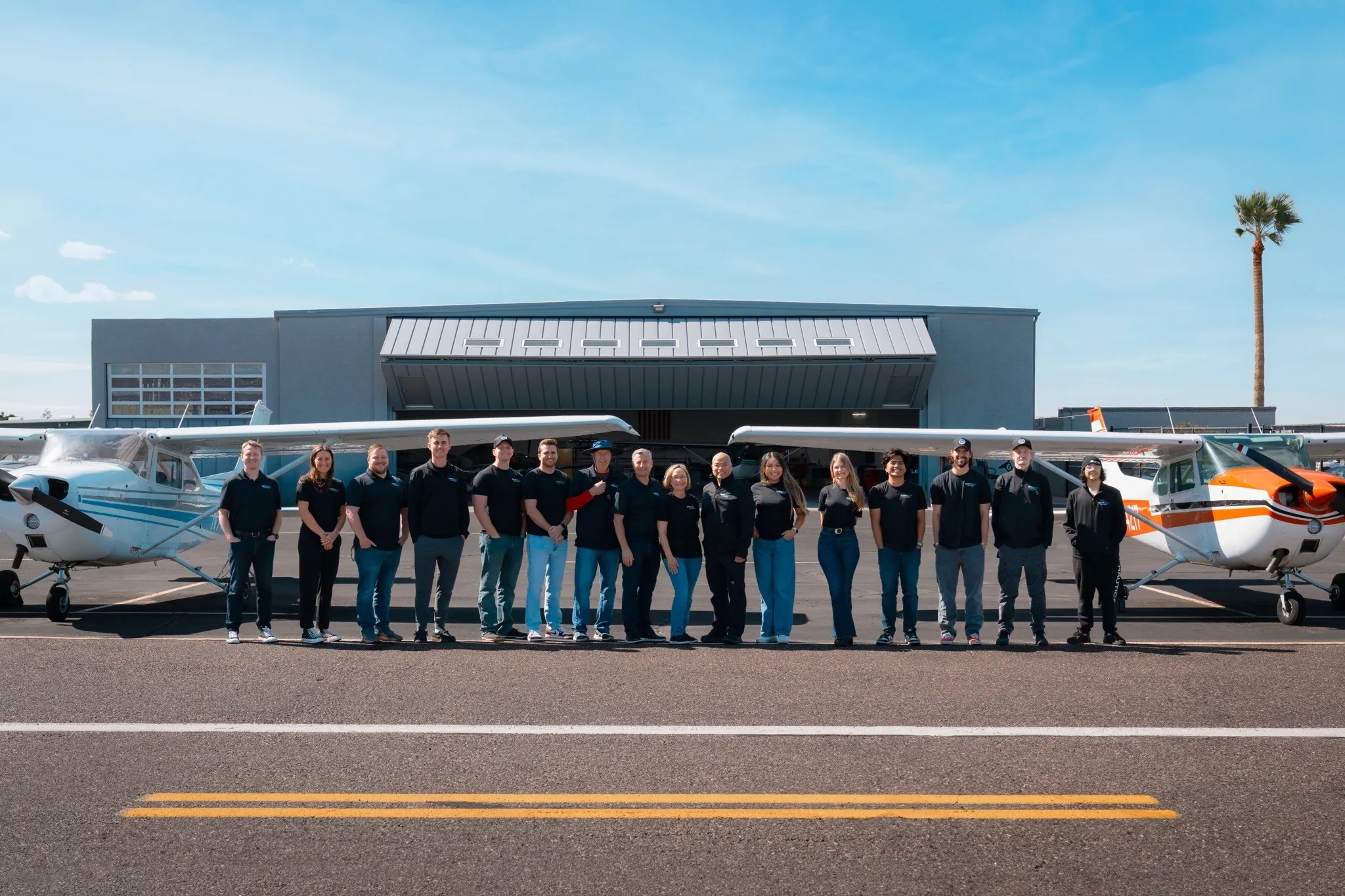
Our team is dedicated to helping you in every step of your aviation journey.
How SimpliFly Removes the Financing Headache
We partner with three trusted lenders specifically because cost should not be the barrier between you and your pilot dream.
- Stratus Financial
Founded by CFIs who understand aviation. They offer comprehensive flight training loans with flexible terms tailored to student pilots. - Flight Training Finance
Specializes in part-time and full-time pilot training financing for fixed-wing aircraft. - AOPA Finance
Backed by the Aircraft Owners and Pilots Association, offering customized solutions with exceptional customer service.
When you enroll at SimpliFly, we help you navigate these options and connect you with the partner whose loan terms match your situation. You’re not left to figure it out alone.
Beyond Financing: Understand Your True Training Cost
Financing is one part of affordability, but here’s the full picture:
Cost variability is real. The FAA requires a minimum of 40 hours for Private Pilot training under Part 61, but the U.S. average is approximately 75 hours due to individual learning pace, weather delays, and proficiency development. That difference alone can increase or reduce your total investment by thousands of dollars.
Flexible scheduling spreads the cost. We offer flexible full-time or part-time training options. Part-time training lets you spread costs across a longer timeline while working, making each monthly payment more manageable.
Transparent pricing removes surprises. Use our cost estimator tool to get a clear breakdown of training costs. Then use our financing page to explore your options with each partner.
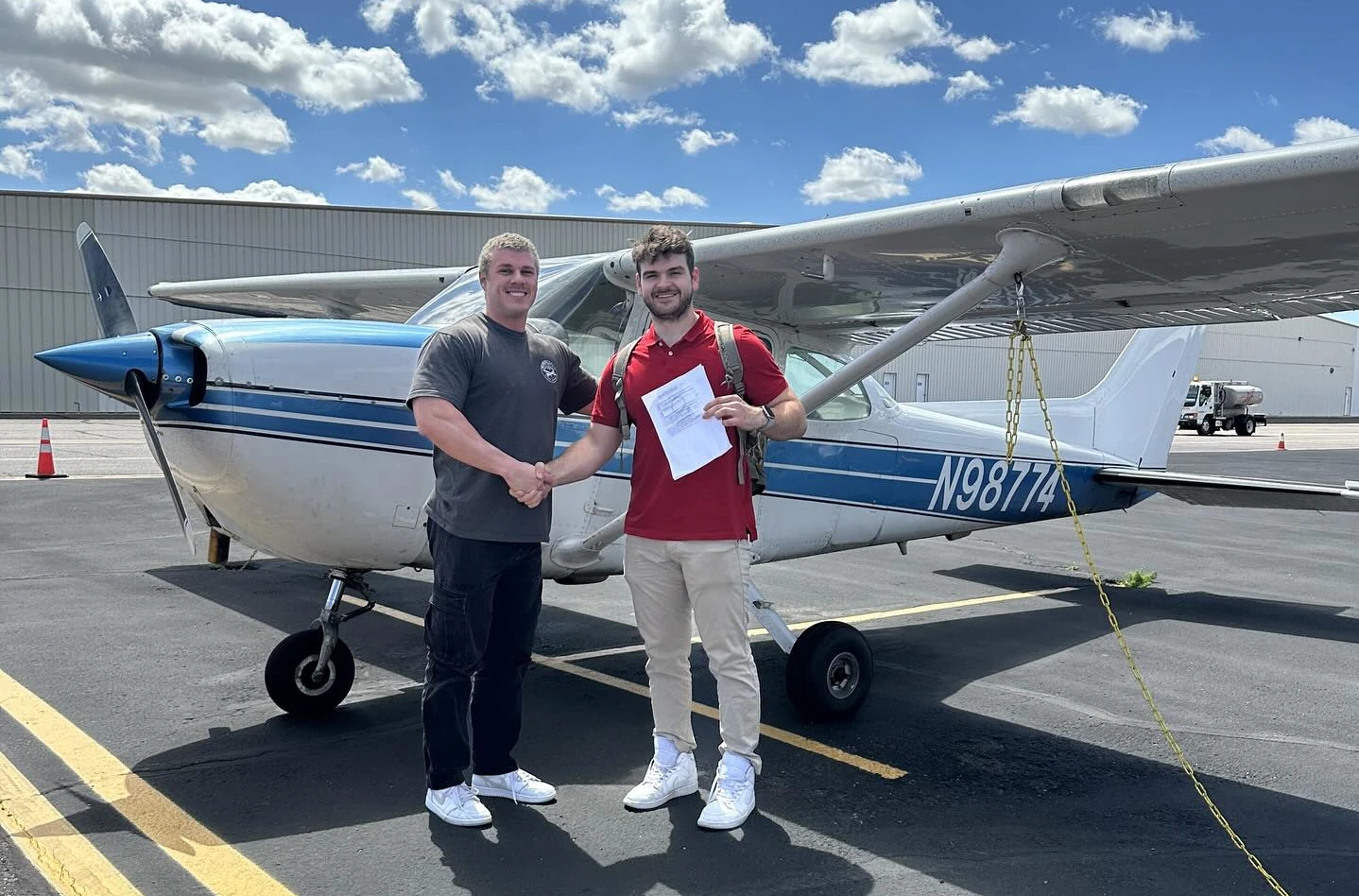
Your dream of flying doesn't have to wait for a perfect savings account, financing options make it accessible.
Your Next Step
Before you commit, schedule a conversation with our team. We’ll walk you through our financing partnerships, answer your specific questions, and help you find the option that fits your budget and timeline.
Your pilot dream is achievable. Financing is simply a way to make it real.