Careers Without a College Degree: Could You Become a Pilot?
Published by:
Julie Hadley
In This Article
If you are comparing careers without a college degree, becoming a professional pilot deserves a serious look. You can begin and progress through FAA pilot certification without first earning a college degree. Instead of semesters and credit hours, the path is built around ground knowledge, flight experience, practical skills, FAA certificates and ratings, and professional experience.
Flight training is a different kind of education, with demanding standards, a meaningful financial investment, and a career path worth examining before you commit. At SimpliFly, we help future pilots understand the sequence, starting with the first steps in a pilot career.
Compare college and flight training by the career they support
The choice is rarely as simple as “college or no college.” A better question is: What work do you want to prepare for, and which route prepares you for it most directly?
A four-year degree can provide broad academic study, campus experiences, and access to careers where a degree is required or strongly preferred. Flight training is specialized. From your first lessons, you are learning aviation knowledge, aircraft control, communication, planning, and judgment toward specific FAA milestones.
Each route serves different needs. The right fit depends on the career you want, how you learn, what you can afford, and what future employers may expect. If you are still deciding whether cockpit training suits you, a Discovery Flight can turn an abstract career idea into firsthand experience.
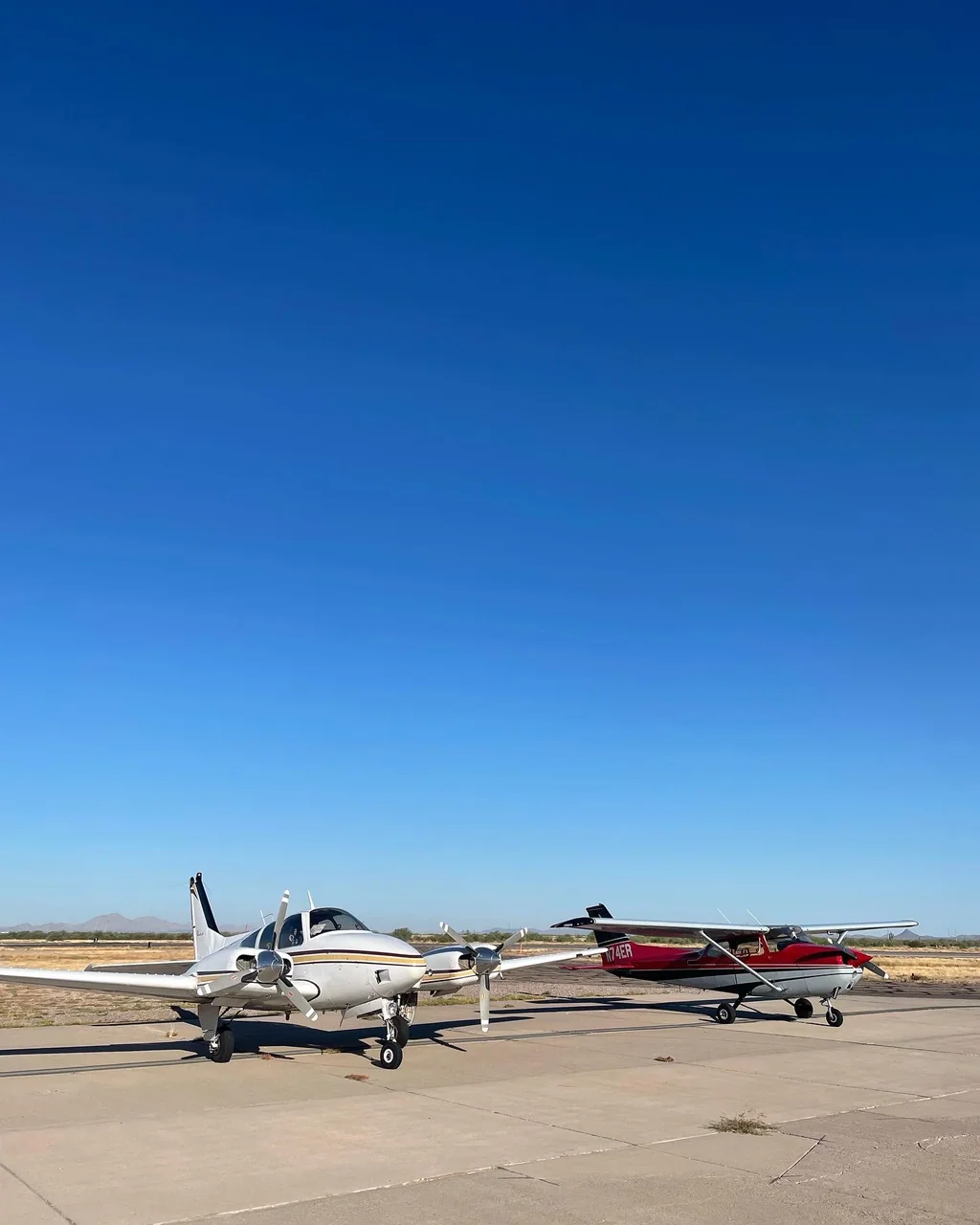
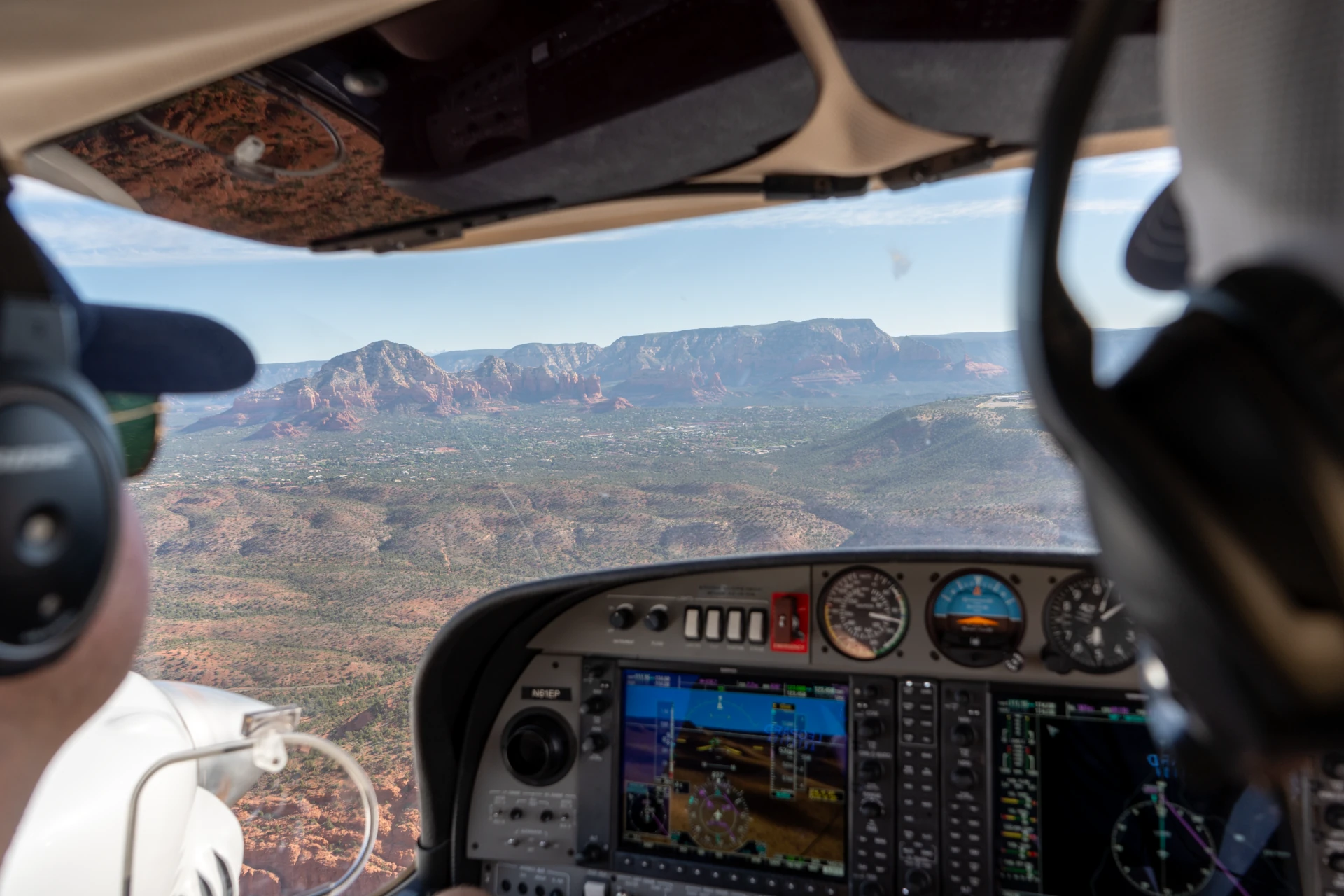
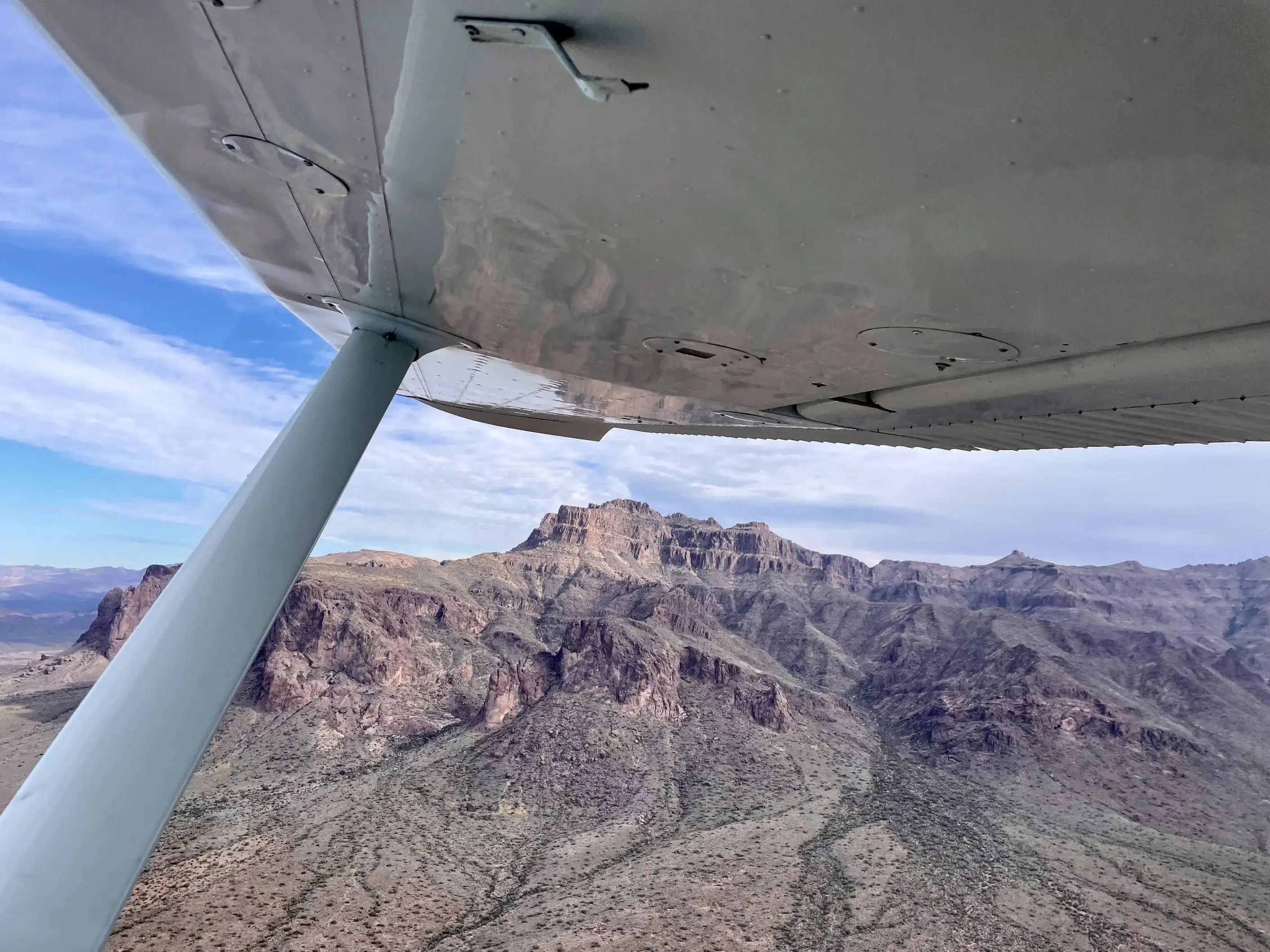
Career-focused training turns an interest in aviation into a structured sequence of practical milestones.
Understand when a college degree may be relevant
FAA pilot certification is based on meeting the applicable eligibility, knowledge, experience, proficiency, and testing requirements. You can earn FAA pilot certificates and ratings without a college degree. The FAA’s pilot certification guidance is the right place to review the official starting requirements.
Employment brings another set of requirements. The Bureau of Labor Statistics says airline pilots typically need a bachelor’s degree, while some commercial-pilot employers may require or prefer one. Company standards can differ from FAA minimums and can change over time.
If an airline is your long-term destination, flight training and college do not always have to happen in the traditional order. One option is to complete the certificates and ratings needed for early professional flying, then pursue a bachelor’s degree while building flight experience.
Spreading the two forms of education across different stages may make the workload and cost easier to manage once your training routine and income are more stable. Before choosing this sequence, confirm the education requirements of the airlines and other employers you hope to approach.
Base your decision on current requirements rather than slogans such as “pilots never need college” or “airlines only hire college graduates.” Research the type of flying you want to pursue and the employers you may eventually target. Our professional pilot career guide can help you narrow the possibilities.
See the pilot career as a series of earned milestones
For many civilian, career-track airplane pilots, the route is sequential. Each stage expands what you can learn or do, but no single certificate guarantees employment.
| Career-building stage | What it adds to your path | What to plan next |
|---|---|---|
| Private Pilot certificate | Core flying knowledge and noncommercial pilot privileges | Build proficiency and decide whether professional flying still suits you |
| Instrument Rating | Training to operate under instrument flight rules when properly qualified and current | Strengthen procedures, weather knowledge, and cockpit workload management |
| Commercial Pilot certificate | Eligibility for certain compensated flying operations | Research the ratings and experience required for specific jobs |
| Certified Flight Instructor | A common route into teaching and experience building | Treat instructor employment as a separate hiring step |
| Multi-Engine Rating | Airplane multiengine class privileges at the certificate level earned | Match the rating to the aircraft and roles you intend to pursue |
Many pilots later build experience toward airline transport pilot eligibility. Some teach as flight instructors, while others pursue different commercial operations. Individual routes vary, and airline eligibility alone does not guarantee an airline position. You can explore how these stages connect in our pilot training timeline.
Calculate the full investment before you commit
College and flight training both require more than enthusiasm. Before choosing, put the numbers, calendar, and opportunity costs on one page.
Start with these questions:
- Total cost: What tuition, aircraft, instructor, testing, examiner, equipment, and living expenses belong in the full estimate?
- Weekly commitment: Can you protect enough time for lessons, ground study, and preparation to maintain momentum?
- Progress markers: What certificate, rating, degree, or skill will you have at each stage?
- Career flexibility: Does the path prepare you for one role, several related roles, or further education later?
- Contingency plan: Can you pause, work while training, or adjust your schedule while continuing toward the next milestone?
Flight training costs vary with proficiency, lesson consistency, weather, aircraft and instructor availability, testing, and other factors. Use our pilot training cost calculator to begin an estimate, then talk through what it includes.
A focused training path can also create an earlier opportunity to earn income from aviation. With a consistent schedule, sustained preparation, adequate funding, and access to aircraft, instructors, and checkrides, earning a Commercial Pilot certificate, and an instructor certificate for those who plan to teach, can be feasible in less than three years.
By comparison, a bachelor’s degree commonly follows a four-year academic schedule. Reaching a paid flying role sooner may allow some pilots to begin earning against their training investment earlier, although Actual return on investment depends on training cost, hiring conditions, compensation, debt, and how quickly each student progresses.
Financing may be available to qualified applicants, but approval and terms come from the lender. Review rates, fees, repayment timing, and covered expenses on our flight training financing page before treating a monthly payment as the whole cost.
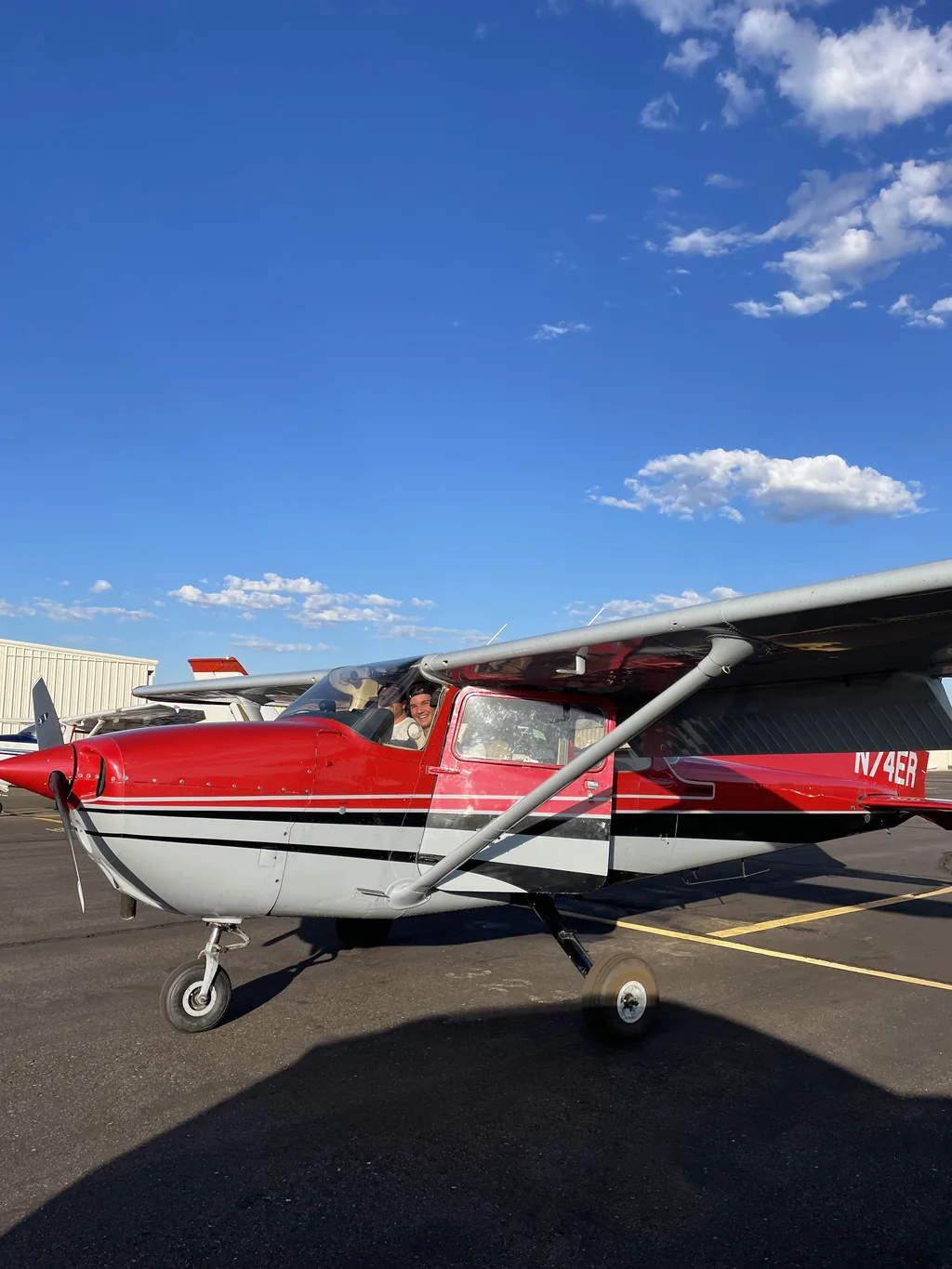
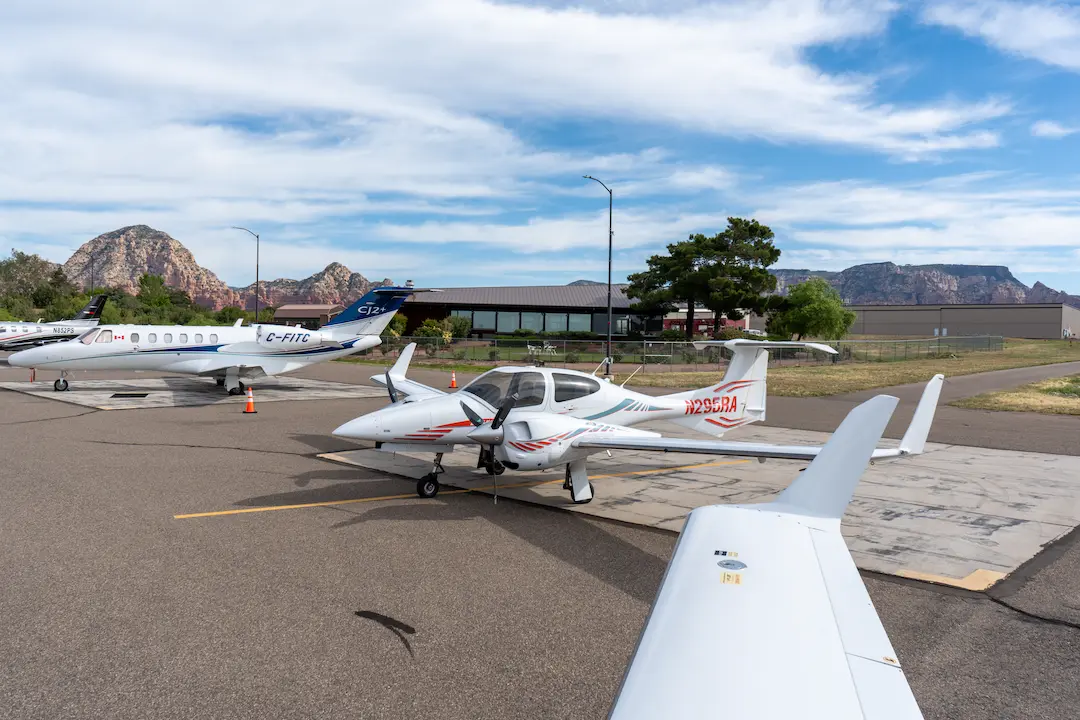
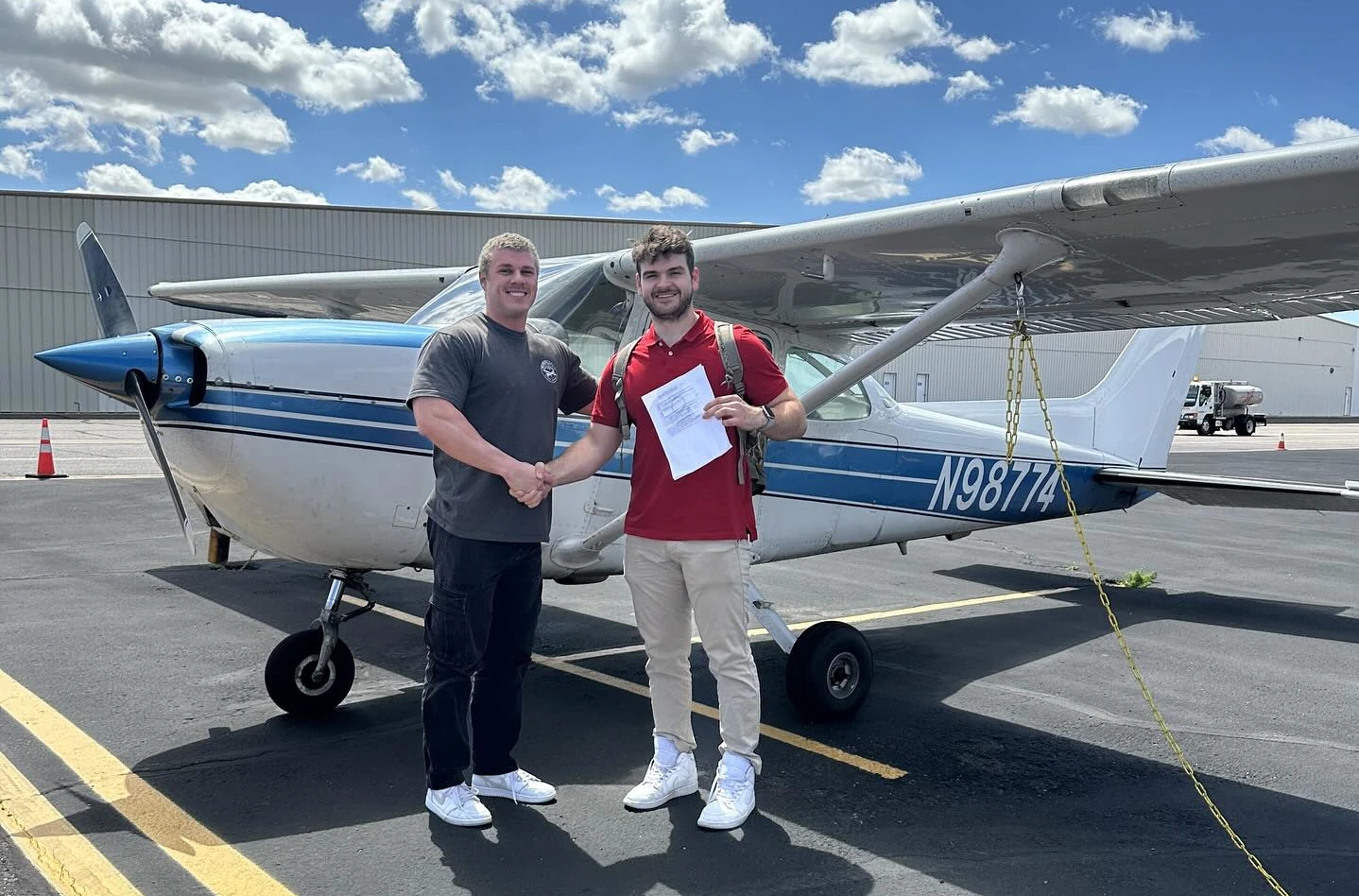
Each earned certificate and rating marks measurable progress along a professional aviation path.
Test your interest in the daily work
“Pilot” can sound exciting from a distance. The daily work asks for much more than enjoying airplanes. Training develops preparation, communication, checklist discipline, situational awareness, decision-making, and the ability to accept precise feedback.
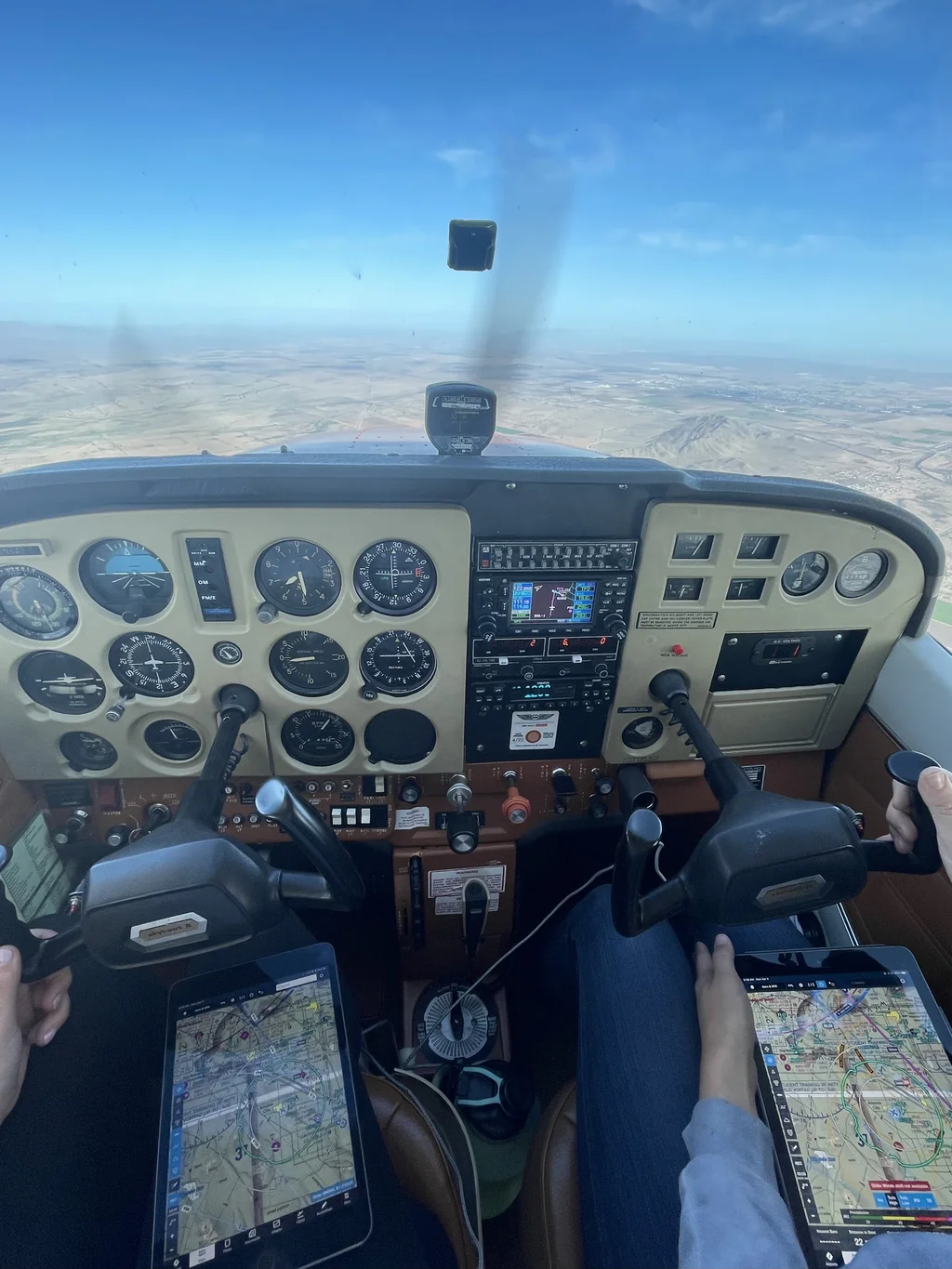
Picture the first phase: you arrive early enough to review the weather, inspect the aircraft during preflight, talk through the lesson with an instructor, make radio calls, fly the planned maneuvers, and then study what needs improvement. Repetition, preparation, and accountability drive progress.
You may be well suited to a pilot career if you enjoy learning systems, stay steady under pressure, prepare before showing up, and accept that proficiency requires continual work. See our guide to avoiding common flight-training mistakes for a closer look at the habits training demands.
Build a decision plan before you enroll anywhere
Give yourself a short, practical investigation period. A final career decision can wait until you have gathered evidence, tested assumptions, and compared the options carefully.
- Name the job you are considering. Airline, charter, corporate, cargo, instruction, and other commercial roles can have different requirements.
- Check the official and employer requirements. Separate FAA certification rules from the hiring preferences of particular employers.
- Experience an actual lesson. Notice whether the cockpit, preparation, and instruction make you want to learn more.
- Map every training milestone. Include certificates, ratings, experience building, medical planning, and likely costs.
- Compare the full alternatives. Put college, vocational options, work, and flight training beside each other using the same time and cost assumptions.
At SimpliFly, we can help you turn those questions into a training sequence grounded in your circumstances. Review our flight training programs to see the available milestones, then bring your questions to the first conversation.
Questions future pilots ask before choosing a path
Can I become a pilot without going to college?
Yes, you can pursue FAA pilot certificates and ratings without first earning a college degree. Employer expectations are separate and vary by role and company, so research the jobs you may target. Start with our Private Pilot program to understand the first major certificate.
Does a commercial pilot certificate mean I can get any paid flying job?
No. A Commercial Pilot certificate permits certain operations for compensation or hire, but a job may also require specific ratings, experience, medical qualification, company training, insurance eligibility, and successful hiring.
Is becoming a flight instructor required?
No. Earning a Certified Flight Instructor certificate and teaching is a common way to build experience, but it is not the only route and instructor employment is not automatic.
Is flight training faster than a four-year degree?
It can be. With a consistent schedule, strong preparation, sufficient resources, and dependable access to aircraft, instructors, and checkrides, a student may earn a Commercial Pilot certificate, and a CFI certificate when teaching is the intended next step, in under three years. Individual timelines still vary with proficiency, weather, availability, and checkride planning. Use the training timeline guide to build a plan around your circumstances.
Should I avoid college if I want to fly professionally?
Not automatically. College may support your career or satisfy an employer preference. Some aspiring airline pilots complete flight training first and work toward a bachelor’s degree while building flight experience. Compare the roles you want with the cost, timing, workload, and flexibility of each sequence. Our pilot career resources can help frame the aviation side of that comparison.
How should I pay for pilot training?
Begin with a complete cost estimate and a schedule you can sustain. Savings, income, family support, scholarships, and financing may all play a role. If you consider borrowing, review the current lender disclosures linked from our financing resources.
Put the career question in the pilot’s seat
Online research can narrow your options. A Discovery Flight adds direct evidence: you can sit at the controls with an instructor, experience the training environment, and ask how the path could unfold from your starting point.
Book a Discovery Flight with us and use that first lesson to decide whether a pilot career belongs on your shortlist.