Month by Month: A Full-Time Career Track at Falcon Field
Published by:
Julie Hadley
In This Article
If you are thinking about leaving a job to train full-time, the question that keeps you up is not “can I learn to fly.” It is “what does a Tuesday in month seven actually look like, and how do I know I am on pace?” A certificate list tells you the order. It does not tell you when the medical exam needs to happen, why the instrument phase takes a different kind of week than the private phase, or where full-time students most often lose a month.
Here at SimpliFly Flight School at Falcon Field in Mesa, our full-time Zero to Hero students typically go from first lesson to Certified Flight Instructor in about 11 to 15 months, flying three to four days a week. Below is a sample calendar built from our own program timelines, month by month, so you can see the shape of the year before you commit to it.
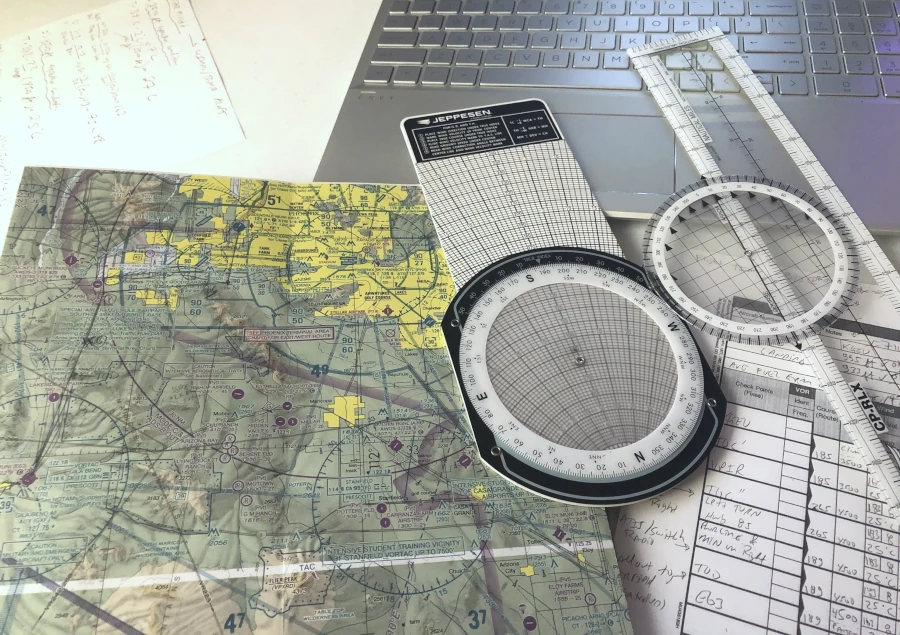
The first month is as much about the table as the airplane.
What Full-Time Means Here Before Month One Starts
Full-time at SimpliFly has a definition. You fly three to four times a week, commit about 25 hours a week to flying, ground training, and study, and keep a six-hour training window open for your stage. Some students work part-time around that window, and that works as long as the job can flex when your stage changes.
The pace is the whole point. Our estimator puts Zero to Hero at 12 to 15 months for a student flying three to four days a week and 15 to 18 months at two to three days, because skills you practice twice a week fade between lessons and get re-flown. You can see how that pacing affects cost on our training cost estimator.
Before the airplane, two errands. Book your FAA medical exam in the first weeks, because you need it before you solo, not before you start. And read our financing options post if you plan to use a lender, since approvals take time and we do not lend directly.
Months 1 to 4: Private Pilot, From First Preflight to Checkride
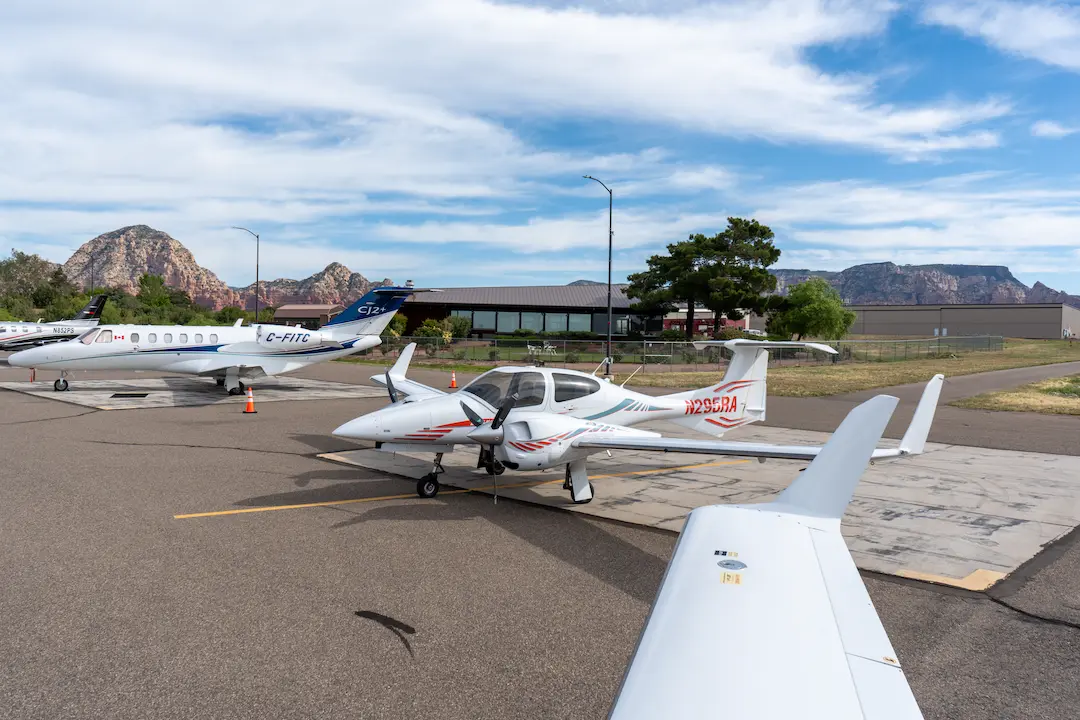
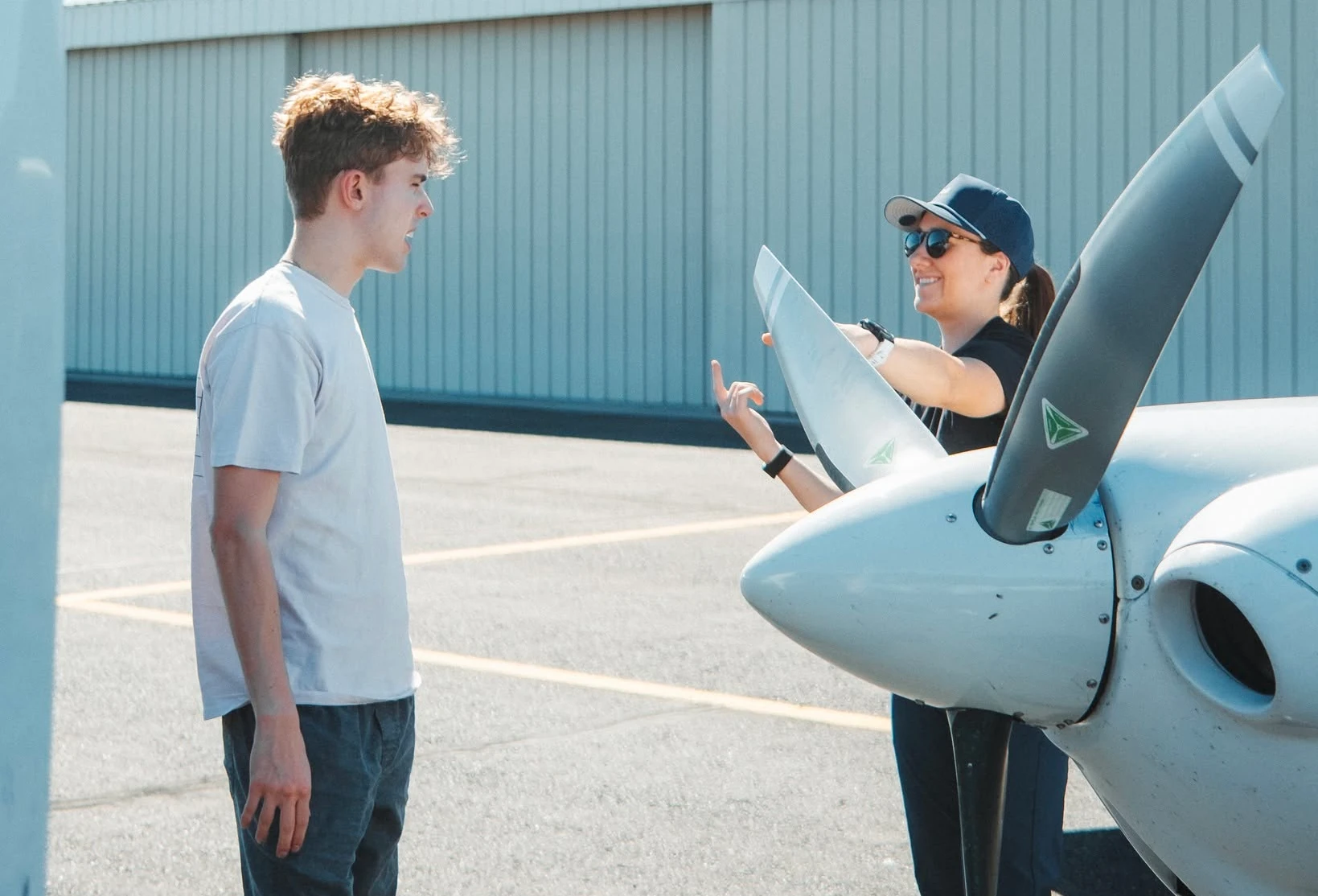
The Private Pilot certificate takes most of our students three to six months; on a full-time schedule, plan for the early end. Month one is preflight walk-arounds on a Cessna 172, the tower frequency at Falcon Field, and the traffic pattern. Because we train at a towered airport, you talk to ATC on your first lesson, and by the time you solo the radio is routine.
Months two and three bring your first solo, then solo cross-countries, night flying, and the knowledge test. Month four is checkride prep: a stage check with a different instructor, a mock oral, and an examiner date we schedule early because examiner availability is one of the places students lose weeks. The FAA minimum is 40 hours; most students need more, and the full-time pace keeps that number closer to the minimum.
Months 5 to 8: Instrument Rating and the First Real Time-Building
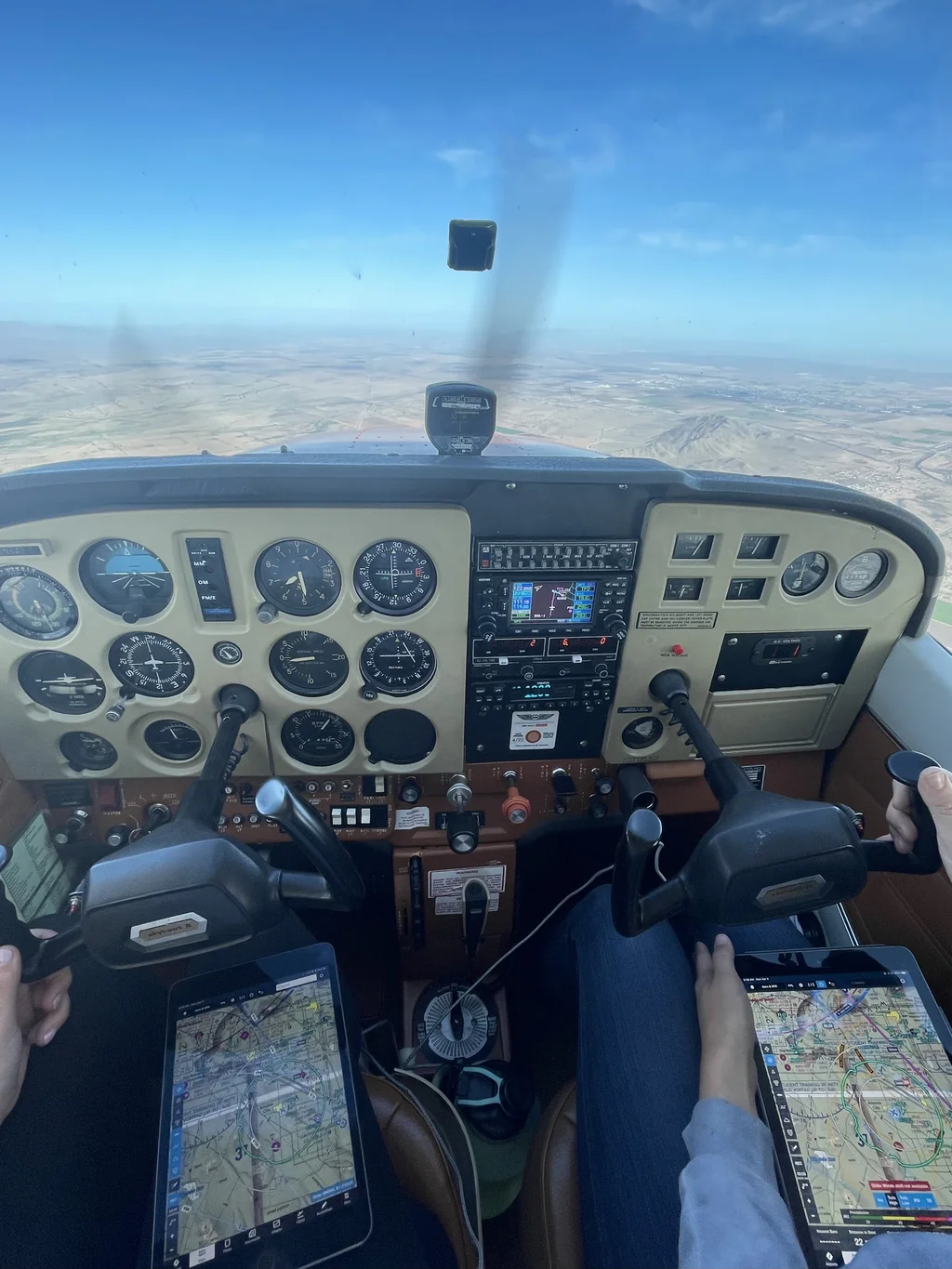
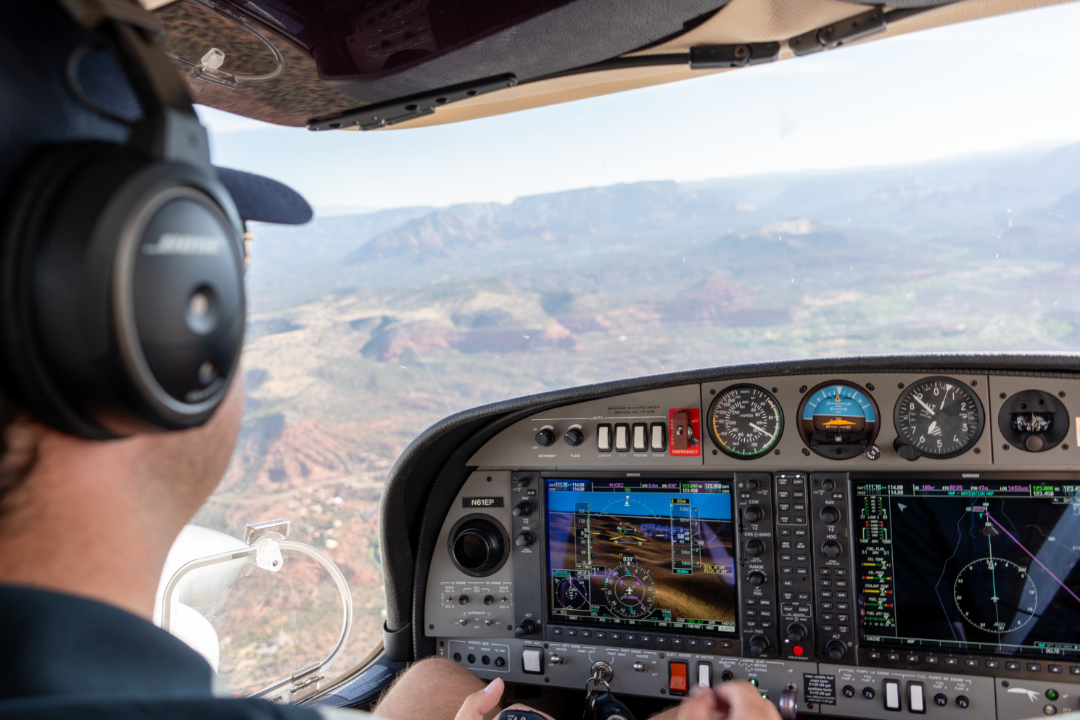
The Instrument Rating runs three to four months for most students and changes what a training day feels like. The hood goes on, the Garmin G5s and G430 in the panel start earning their keep, and the Redbird simulator becomes part of the week, especially for approach repetition on days when an airplane is down or the weather is not cooperating.
This phase also includes cross-country flying as pilot in command, which is where your logbook starts moving toward the 250-hour commercial mark. Our instrument rating post explains why this rating is the one that makes a career pilot.
Months 9 to 11: Commercial Pilot and the 250-Hour Mark
The Commercial Pilot certificate itself is two to three months of maneuvers, complex procedures, and the long cross-country, but the calendar constraint is hours, not lessons. Under Part 61, most airplane applicants need 250 hours total time. Full-time students spend part of these months building that time deliberately, often flying with another student to split cost, so the checkride and the hour count arrive together instead of one waiting on the other.
If your goal includes multi-engine time, the Multi-Engine Rating fits here as a one-to-two-week add-on for students who have completed the commercial certificate. Our post on R-ATP and ATP certification explains where those hours go later.
Months 12 to 15: CFI and CFII, Then the Interview
The last stage is the Certified Flight Instructor certificate. Full-time students usually take our Accelerated CFI/CFII course: four weeks, two class sessions a day, over 80 hours of ground, 15 hours in a 172, 5 hours in the Redbird, and spin training, finishing endorsed for both the CFI and CFII checkrides. Add examiner scheduling and you are looking at one to two months from the first FOI lesson to the CFI initial checkride.
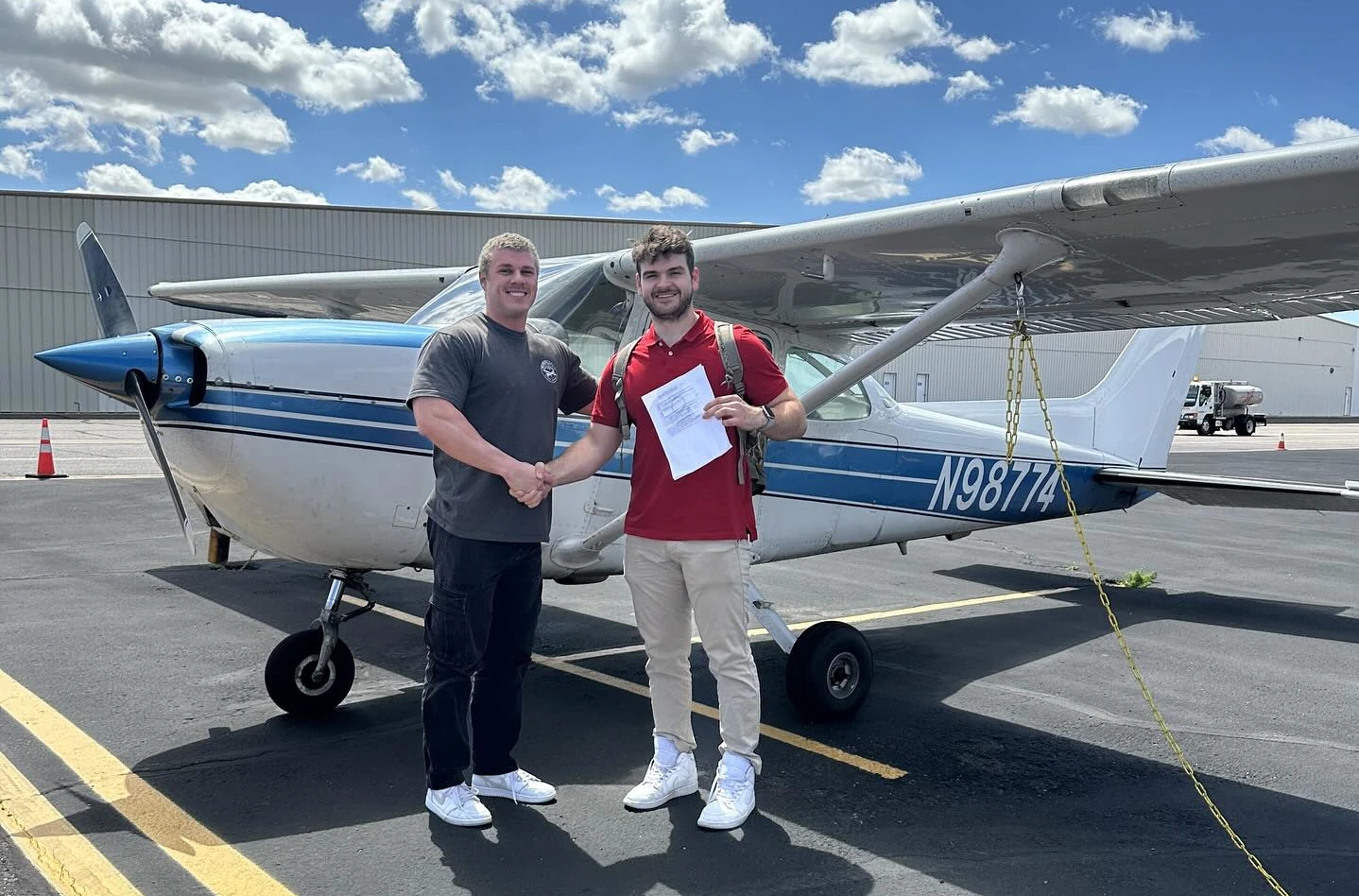
Then the part that makes the career track a career. Students who complete all of their ratings here are guaranteed an interview to instruct at SimpliFly. It is an interview, not a job offer, and it means month 13 or 14 can end with your name in the instructor column of the same schedule you have been flying from. Josh Perkins did exactly this, finishing all of his training here in 14 months, and he now teaches in the airplanes he learned in.
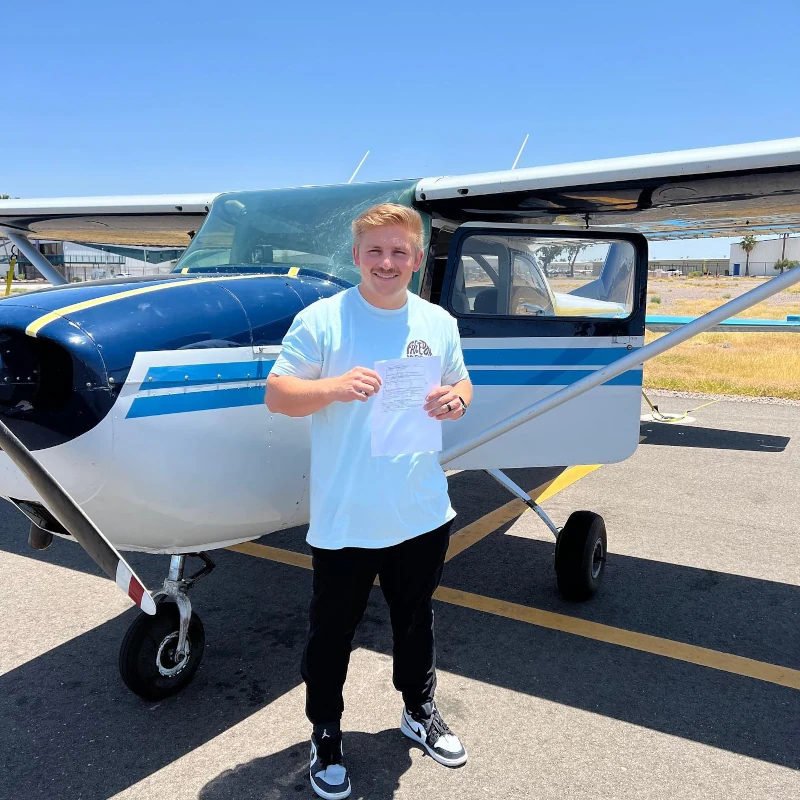
Each stage ends the same way: a checkride and a piece of paper.
The Sample Calendar at a Glance
This table is a sample plan for a student flying three to four days a week. Your actual pace depends on weather, aircraft and instructor availability, examiner scheduling, and how quickly skills stick, so treat it as a planning shape, not a promise.
| Months | Stage | What fills the week | Milestone |
|---|---|---|---|
| 1 to 4 | Private Pilot | Pattern work, tower comms, solo, cross-country, night, knowledge test | Private checkride |
| 5 to 8 | Instrument Rating | Hood work, approaches, Redbird sessions, PIC cross-country | Instrument checkride |
| 9 to 11 | Commercial Pilot | Commercial maneuvers, long cross-country, time-building to 250 hours | Commercial checkride |
| 11 (optional) | Multi-Engine Rating | Engine-out procedures, multi-engine systems | Multi-engine checkride |
| 12 to 15 | Accelerated CFI/CFII | 80+ hours ground, lesson plans, spin training, 15 flight hours | CFI and CFII checkrides, then the interview |
Every stage ends with a knowledge test fee and an examiner fee on top of flight time. Those figures change, so we keep the current ones on the estimator instead of here.
Where Full-Time Students Lose a Month
Three patterns show up again and again. The medical scheduled late, which stalls the first solo while everything else is ready. The knowledge test put off, which pushes a checkride date because the examiner needs the test report first. And the week that slips to one flight, usually in the instrument phase, which means the next lesson starts with review instead of progress.
The fixes are boring and effective: book the medical in month one, take each knowledge test before you are “ready,” and treat three flights a week as a floor. Our student pilot’s guide to avoiding training pitfalls covers the rest.
FAQ
Can I finish Zero to Hero in under a year?
Our full-time students typically finish in about 11 to 15 months. Flying fewer than three days a week stretches that toward 15 to 18.
Do I need to quit my job?
Not necessarily. Some full-time students work part-time. The job has to flex around a six-hour training window that changes with each stage.
When do I need the medical?
Before your first solo, usually in month two or three. Schedule the exam in your first weeks.
Does SimpliFly help with housing?
We do not provide housing. Call the office and we can point you to local options.
What does the whole path cost?
Plan to budget around $18,000 to $20,000 for the private certificate alone. The estimator builds the rest stage by stage, and our financing partners can spread it out on their terms.
Build Your Own Calendar With Us
A sample plan is a starting point. Your calendar depends on when you can start, how many days a week you can fly, and what you are bringing with you, whether that is zero hours or a logbook from another school. Send us your estimator selections or call 480-256-8355, and we will map your first four months with you. Contact SimpliFly to start the conversation.