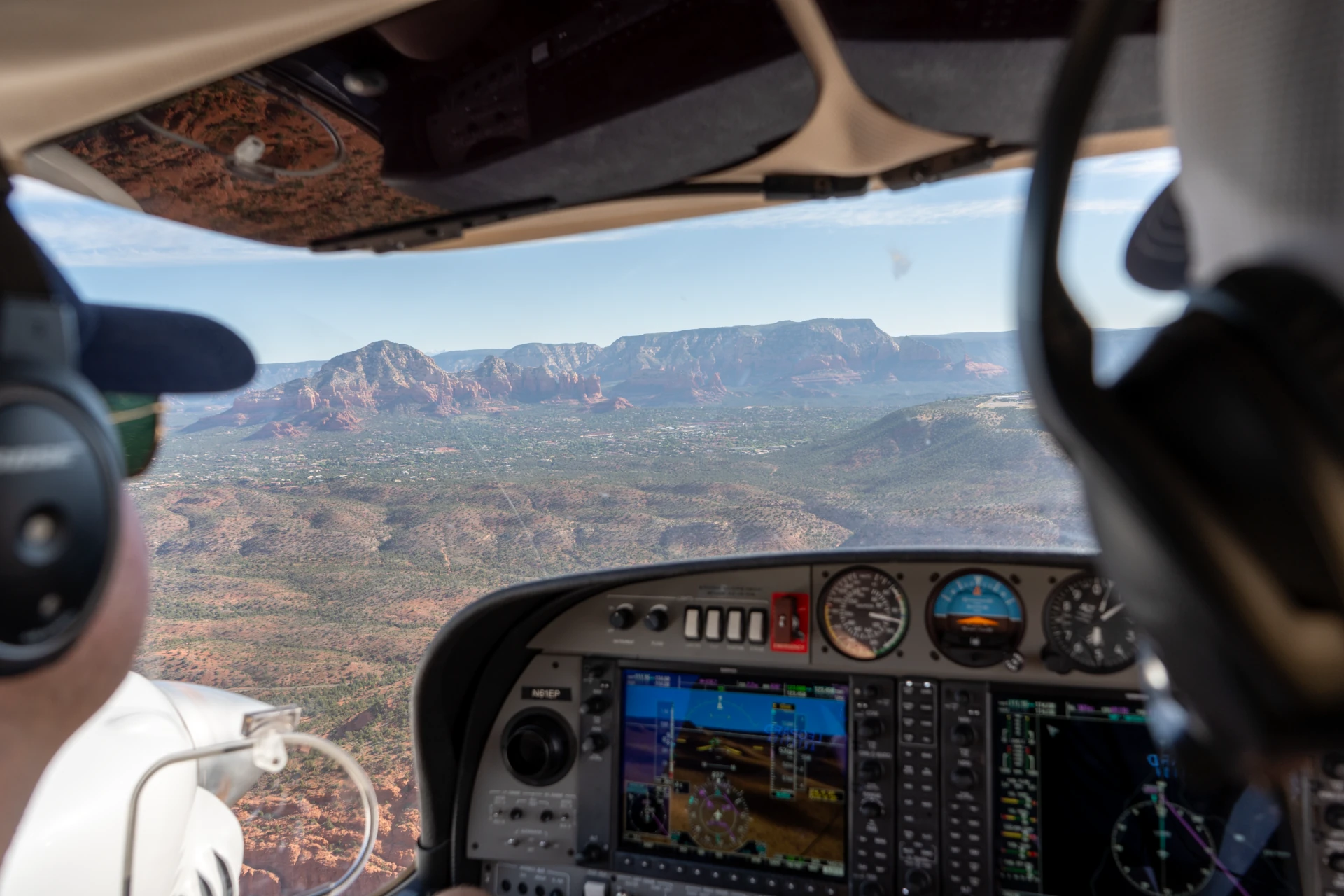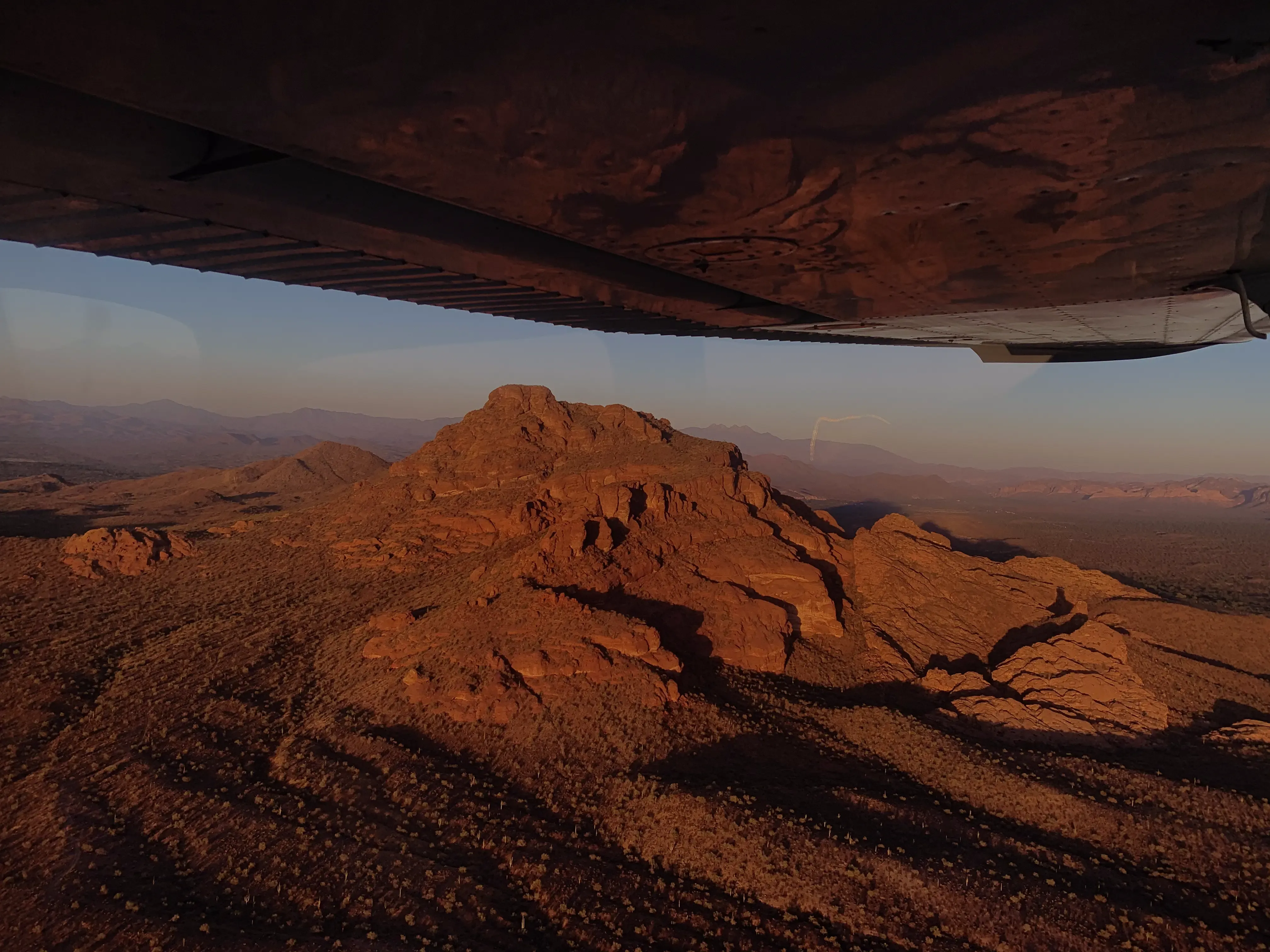
Why Becoming a CFI Is the Bridge to 1,500 Hours
Published by:
Greg Hadley
In This Article
The day you pass your commercial checkride, your logbook reads somewhere around 250 hours. The airline transport pilot certificate most airline jobs require is commonly summarized as 1,500. That gap, roughly 1,250 hours, is the part of the career path nobody puts on a poster, and how you cross it decides whether your training keeps its momentum or stalls in a hangar somewhere.
For most career-track pilots the answer is a flight instructor certificate, the CFI. Here at SimpliFly Flight School in Mesa, instructing is the step we build the whole Zero to Hero path toward, and if you complete all of your ratings with us, we guarantee you an interview to instruct here. This post explains why the CFI is the bridge, what it teaches you that nothing else does, and what that interview does and does not mean.
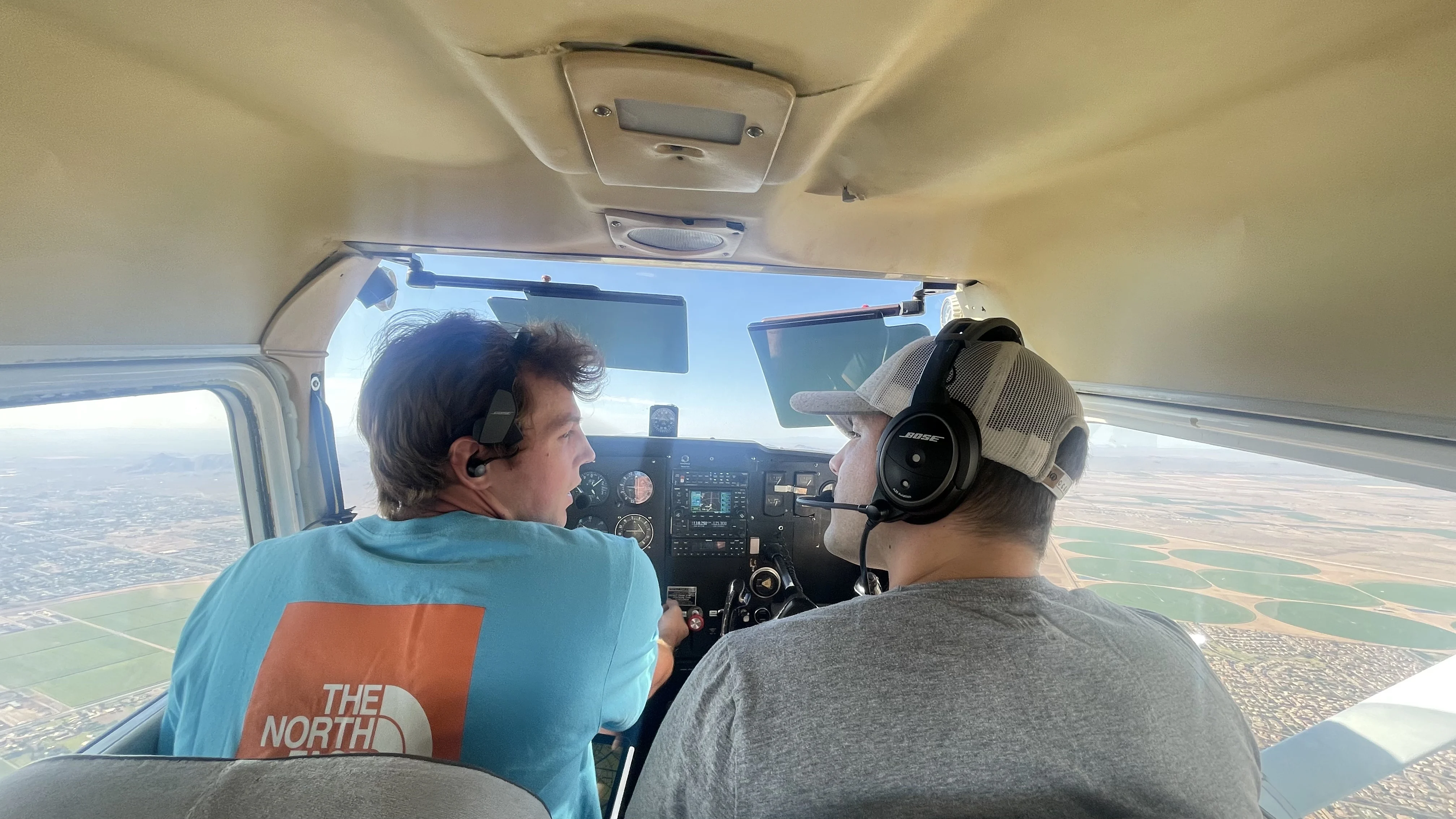
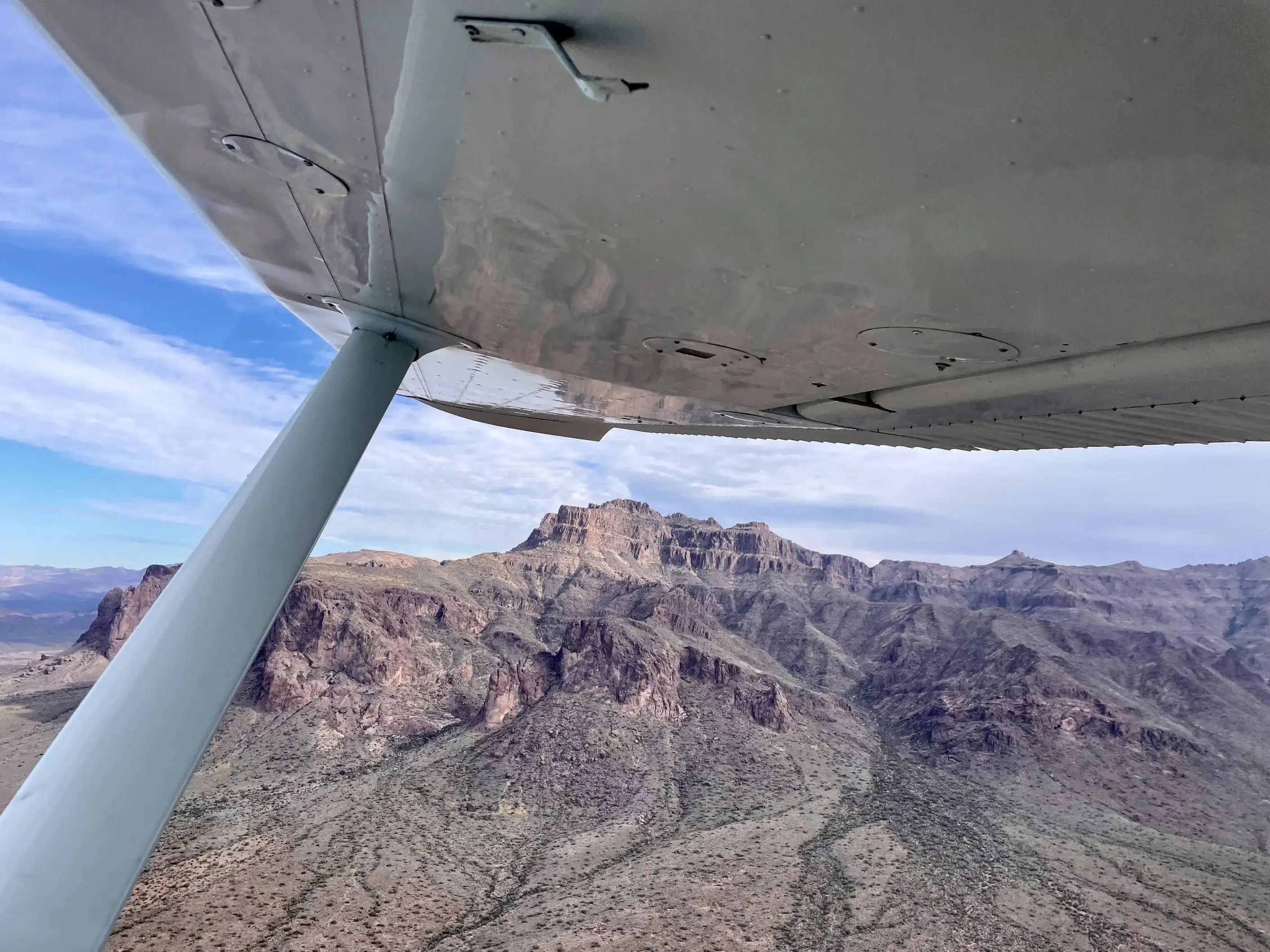
The right seat is a classroom that pays you to be in it.
The Gap Between Eligible and Employable
Two numbers matter here, and they are separate. The commercial pilot certificate lets you fly for compensation and, under Part 61, most airplane applicants reach it around 250 hours total time. The airline transport pilot certificate, the ATP, is the credential airlines require, and its standard airplane experience requirement is commonly summarized as 1,500 hours, with specific cross-country, night, and instrument minimums inside that total. A restricted ATP with fewer hours exists for qualifying military pilots and graduates of certain degree programs. Our post on R-ATP and ATP certification covers those rules in detail.
Reaching the hours makes you eligible. Airline hiring is a separate step with its own interviews, background checks, and standards. The CFI does not skip either step. What it does is turn the 1,250 hours in between into paid, structured, supervised flying instead of a bill.
Why Instructing Is the Most Common Bridge
There are other ways to build time: aerial survey, banner towing, pipeline patrol, right-seat work for a charter operator. They exist, and some pilots take them. Instructing is the most common bridge for three practical reasons.
It pays you to log hours. A commercial pilot with 250 hours and no job pays for every hour after that. A CFI is paid for most of them. Instructing was the first aviation job for many of our own team, and it is the model our career track is built around.
It builds the hours that count. Cross-country, night, and instrument instruction all go into your logbook alongside the students’ hours, in the same categories the ATP rules ask for.
It makes you a better pilot than 1,250 hours of solo cruising would. Teaching a maneuver means understanding it twice: once in your hands and once in words clear enough for a student to copy. A CFI who has talked twenty students through a crosswind landing has seen more ways a landing can go wrong than any solo time-builder. Our post on the professional pilot career in 2026 explains why employers notice that.
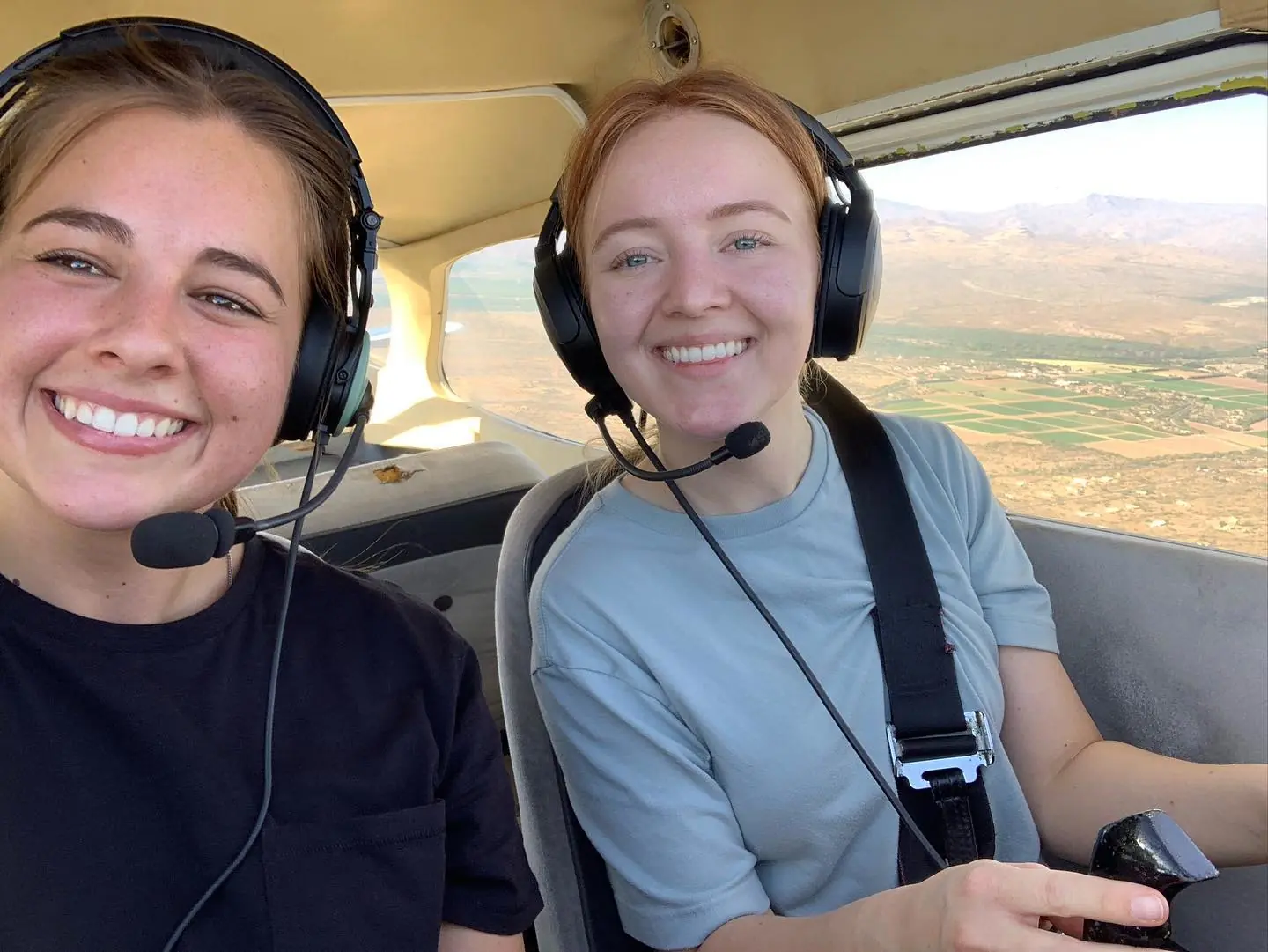
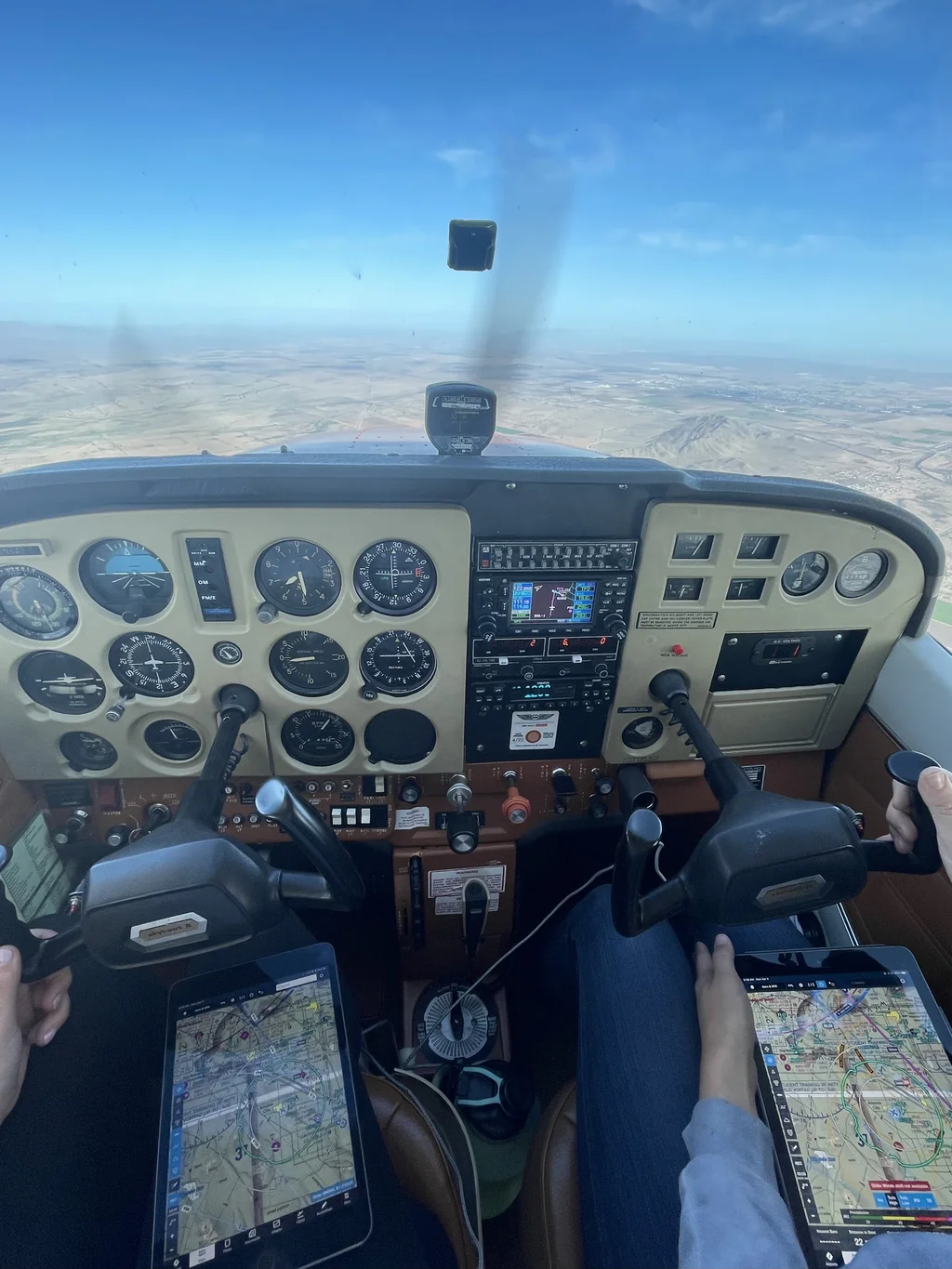
Every lesson you teach goes into two logbooks.
What It Takes to Become a CFI
To start CFI training you need a commercial pilot certificate with an instrument rating, an FAA medical (third class or higher), and the ability to read, speak, write, and understand English. The FAA sets the minimum age for a flight instructor certificate at 18. Along the way you pass two knowledge tests, the Fundamentals of Instructing and the flight instructor exam, build a full set of lesson plans, complete spin training, and take the CFI initial checkride, which is longer and more demanding than any practical test before it.
We offer two ways through it. Our flexible CFI program runs at your pace, typically four to eight weeks. Our Accelerated CFI/CFII course is a four-week, Monday-through-Friday immersion with two class sessions a day: over 80 hours of ground, 15 hours of flight time in our Cessna 172s, 5 hours in the Redbird simulator, and spin training, with the first week on the Fundamentals of Instructing and the fourth week on the CFII. Students finish with their lesson plans done and endorsements for both the CFI and CFII checkrides. As of this writing the course is priced at $8,900, and the program page carries the current figure.
| Path | Format | Best fit |
|---|---|---|
| Certified Flight Instructor (flexible) | At your own pace, roughly 4 to 8 weeks | Pilots working around a job or finishing the commercial |
| Accelerated CFI/CFII | 4 weeks, two sessions a day, cohort | Pilots who want to be endorsed for both checkrides in one month |
| CFII add-on | Accelerated or flexible | Teaching instrument students, which adds instrument hours to your log |
| MEI add-on | About 2 months | Teaching multi-engine students and building multi-engine time |
What the Guaranteed Interview Means and Does Not Mean
Students who complete their private, instrument, commercial, and CFI training at SimpliFly are guaranteed an interview for a CFI position with us. That is the whole promise, and we keep it precise on purpose. An interview is not a job offer. Hiring depends on our student load, your checkride results, and how you present yourself as a teacher.
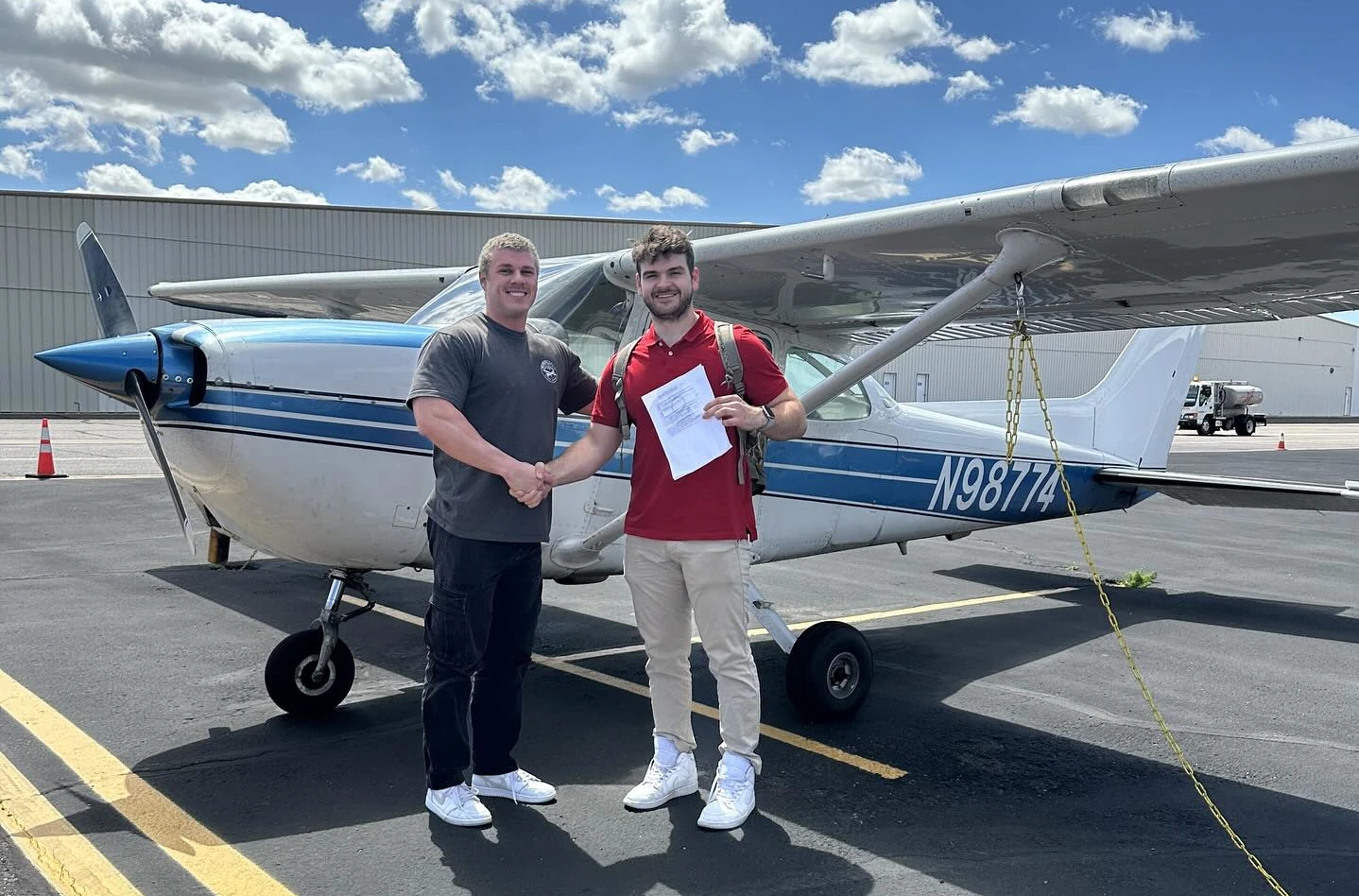
What the guarantee removes is the worst version of the gap: finishing your commercial certificate with no path in front of you. The interview is on the calendar before you finish, with people who watched you train. Josh Perkins finished every certificate here in 14 months and now teaches in the airplanes he learned in. Riley Lemley and Dakota Rice did the same, and Dakota also runs the office. Their stories are on our team page, and they are the clearest answer to “what happens after the commercial?”
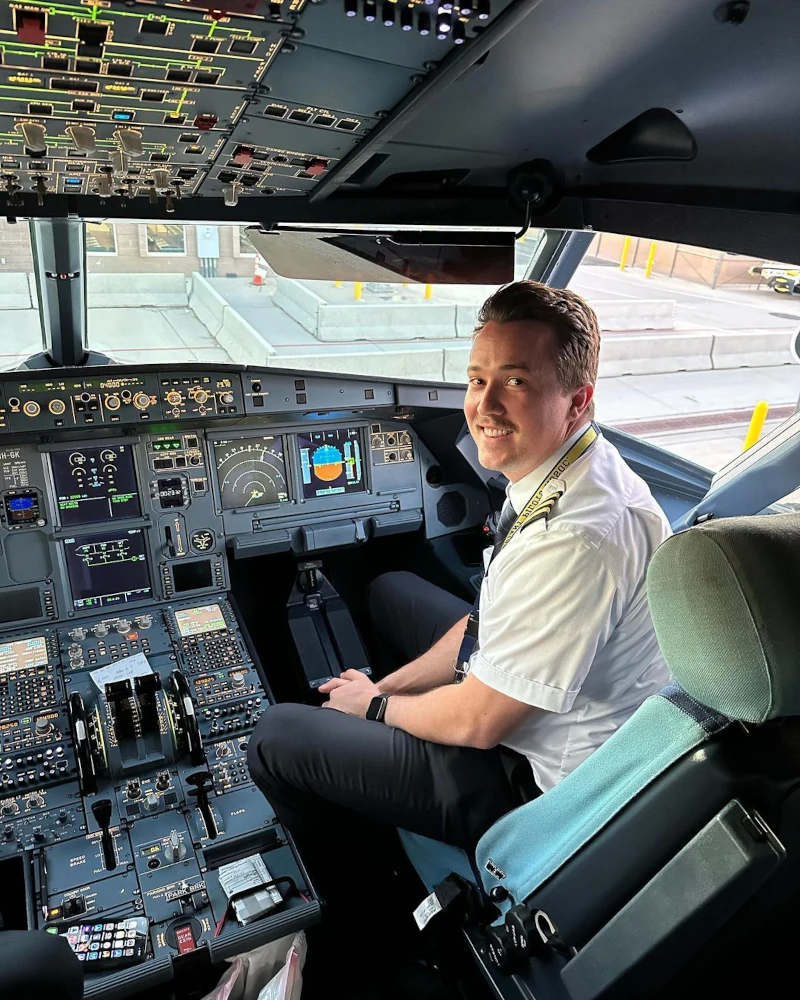
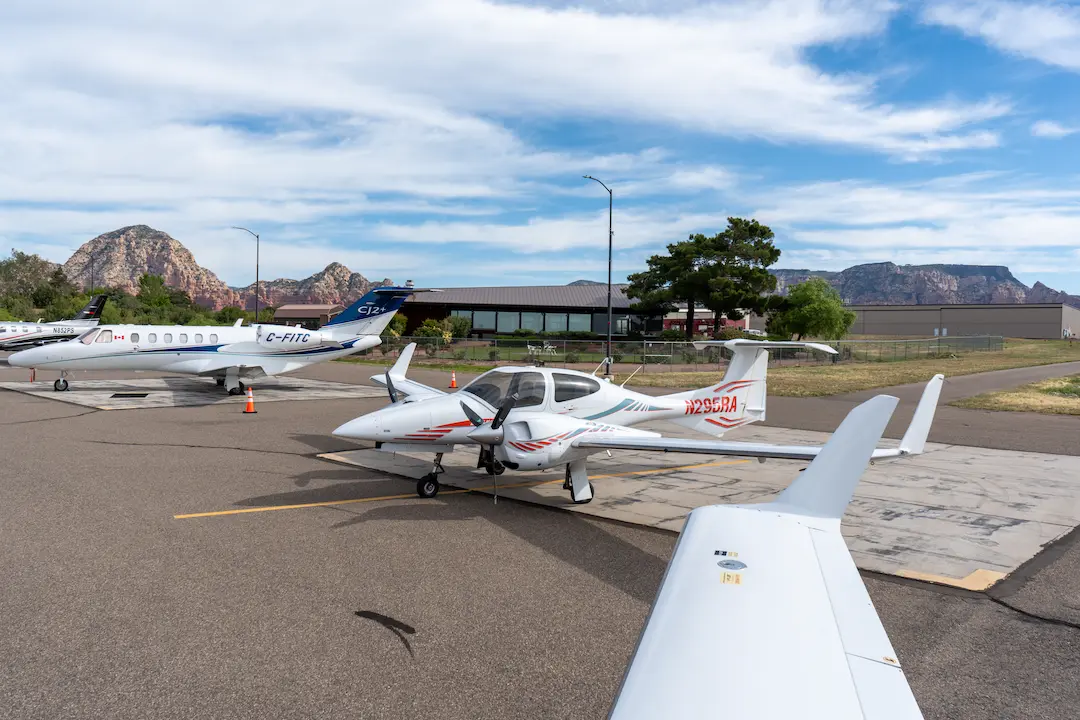
Instructing is how many of our former CFIs reached the airline flight deck.
Where Instructors Go When the Hours Add Up
Instructing is a bridge, so instructors leave. In our 2023 year in review, we noted that eight of our instructors moved on that year to airlines including Southwest, Allegiant, Frontier, SkyWest, and Advanced Air. Our Chief Pilot, Anders Jones, holds his CFI, CFII, and MEI and is waiting on a start date with Republic Airways. Turnover like that is the system working, and it is why we keep training the next group of CFIs from our own students.
It also means your first year as a CFI has a shape. New instructors typically start with private pilot students, add instrument students once they hold the CFII, and pick up multi-engine work with an MEI. Many airline applicants want some multi-engine time in the log, so ask us on your visit how the MEI add-on fits your timeline. Our post on what airline recruiters look for covers the rest of that conversation.
Paying for the Last Certificate
By the time you reach CFI training, you have already paid for four checkrides. The CFI course is a smaller number than the ones before it, and it is the one that starts paying you back. Our cost estimator shows planning figures for each certificate, and the financing partners we work with can cover instructor training as part of a full program. Their terms are set by the lender, so read them before you plan around them.
FAQ
Do I have to instruct to reach 1,500 hours?
No. Survey, banner tow, and charter right-seat work are all real paths. Instructing is the most common because it pays, it is available at the school where you trained, and the hours match what the ATP rules ask for.
Can I take the Accelerated CFI course if I trained somewhere else?
Yes. The course is open to commercial pilots with an instrument rating. The guaranteed interview applies to students who completed all of their ratings with us.
How long does it take a CFI to reach 1,500 hours?
It depends on student load, weather, and how many days a week you teach. We do not publish a number of months because it would be a guess dressed up as a promise.
Do I need the CFII and MEI too?
The CFI alone lets you teach private pilot students. The CFII lets you teach instrument students and the MEI lets you teach multi-engine, which widens what you can log and who you can teach.
Is the CFI initial checkride hard?
Yes. It is the longest practical test in the sequence. That is why our accelerated course spends over 80 hours on the ground before the checkride.
Book Your Seat in the Next CFI Course
If your commercial checkride is behind you or a few months ahead, the CFI is the next decision. Course dates for the accelerated cohort fill up, so call the office at 480-256-8355 with your current certificates and hours, and we will tell you which start date fits. Enroll in the Accelerated CFI/CFII course and start turning the gap into paid flying.