Common Flight Training Mistakes and How to Avoid Them
Published by:
Julie Hadley
In This Article
Most flight training mistakes start before the lesson, when a student arrives without a plan, lets too much time pass between flights, avoids questions, or treats cost planning like something to figure out later.
The good news is that these mistakes are fixable. At SimpliFly Flight School in Mesa, Arizona, we help students build the habits that protect momentum: preparation, consistency, clear communication, checklist discipline, and honest planning around schedule and budget. Your pace and total cost will vary based on your goals, proficiency, schedule, weather, and program path, but the right habits can help you use each lesson with more purpose.
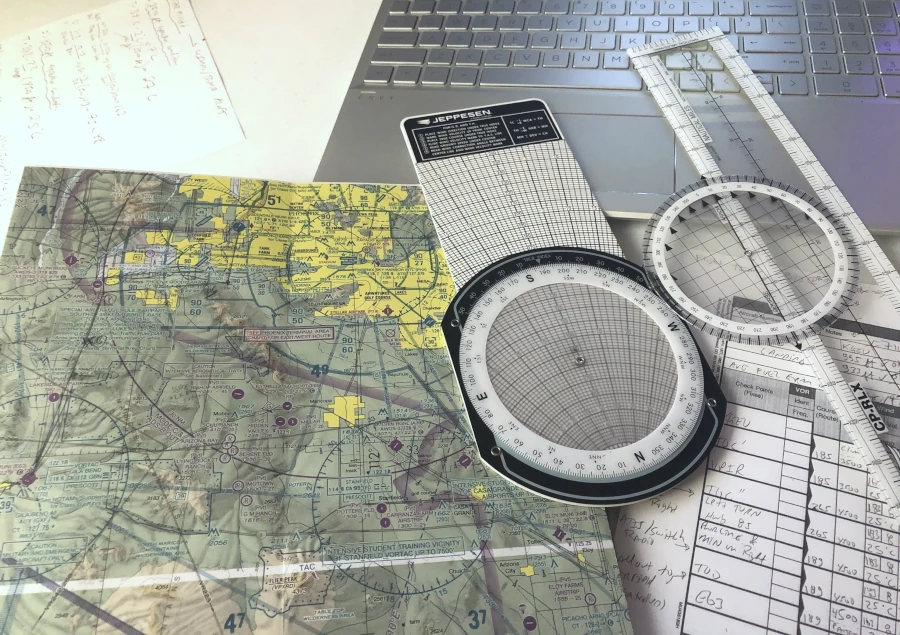
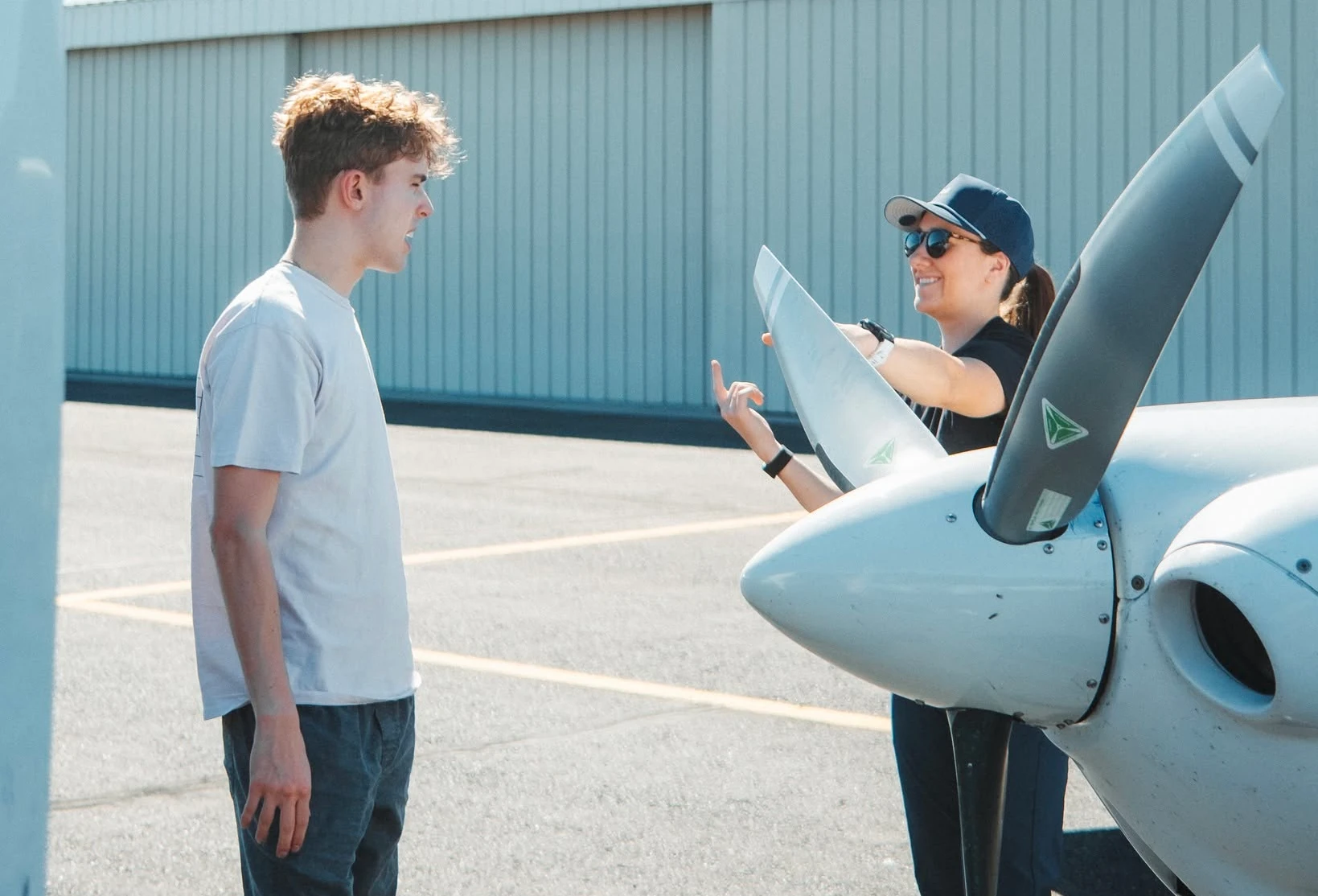
Pre-lesson preparation helps students walk into each flight with a clear goal.
Start With a Training Goal Before You Book the Slot
One common mistake is booking lessons without knowing what each lesson is supposed to accomplish. A student may show up excited to fly, but if the goal is vague, the lesson can drift into review instead of progress.
Before each flight, know the answer to three questions:
- What skill am I working on today?
- What should I review before I arrive?
- What would make this lesson a success?
Arriving ready to learn is different from trying to teach yourself before your instructor teaches you. A short review of maneuvers, radio calls, weather, airport diagrams, or previous debrief notes can turn paid flight time into focused practice instead of a warm-up period.
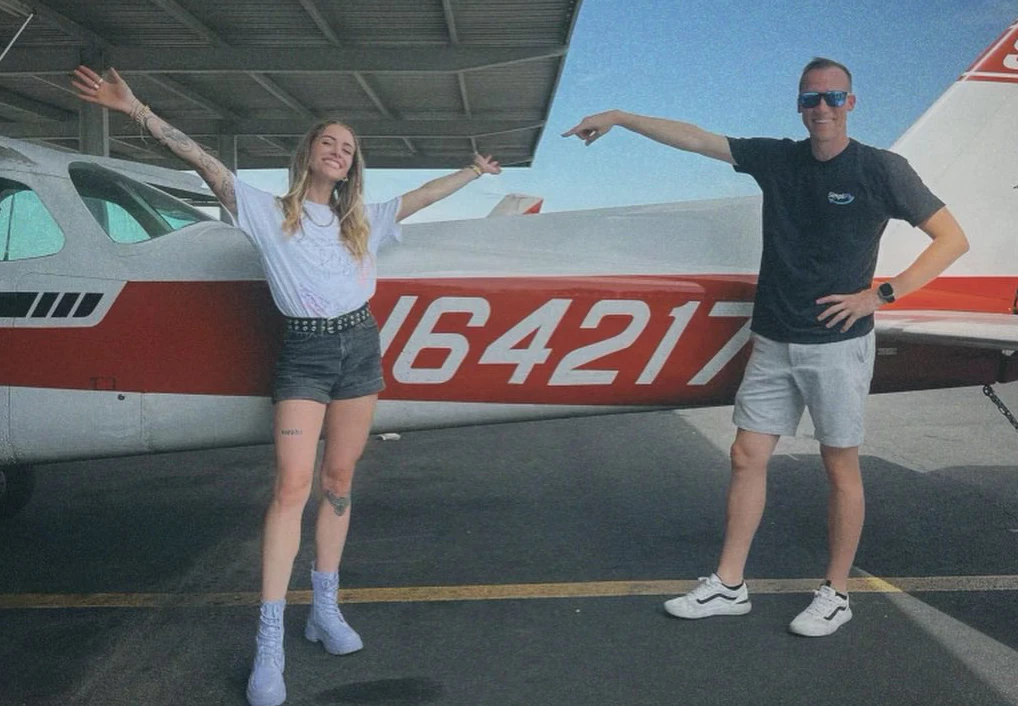
If you are still deciding where to begin, our Discovery Flight gives you a low-pressure way to experience the cockpit, meet the school, and understand what early training feels like before you commit to a full program.
Protect Momentum With a Realistic Schedule
Long gaps between lessons can make you spend more time rebuilding skills instead of adding new ones. That is frustrating, and it can make training feel more expensive because you are paying to relearn what felt comfortable a few weeks earlier.
Many students balance work, school, family, and training. Trouble usually starts when the training pace conflicts with your real availability.
At SimpliFly, we offer flexible training paths because students learn at different speeds and live different schedules. Some students want an accelerated path. Others need a part-time rhythm that keeps flying consistent without overwhelming the rest of life. The right plan is the one you can actually maintain.
Use this as a starting point:
| Student situation | Mistake to avoid | Better training habit |
|---|---|---|
| Working full time | Booking isolated lessons when life slows down | Choose a repeatable weekly rhythm and protect it |
| Career-focused student | Rushing without enough study time | Pair frequent flying with structured ground prep |
| Brand-new student | Waiting too long after a discovery flight | Keep the first few lessons close enough to build confidence |
| Returning student | Assuming old skills will come back instantly | Plan review time before pushing into new material |
If your goal is a certificate path, review our Private Pilot program and pilot training programs so we can help you match pace, budget, and schedule before you get too far into training.
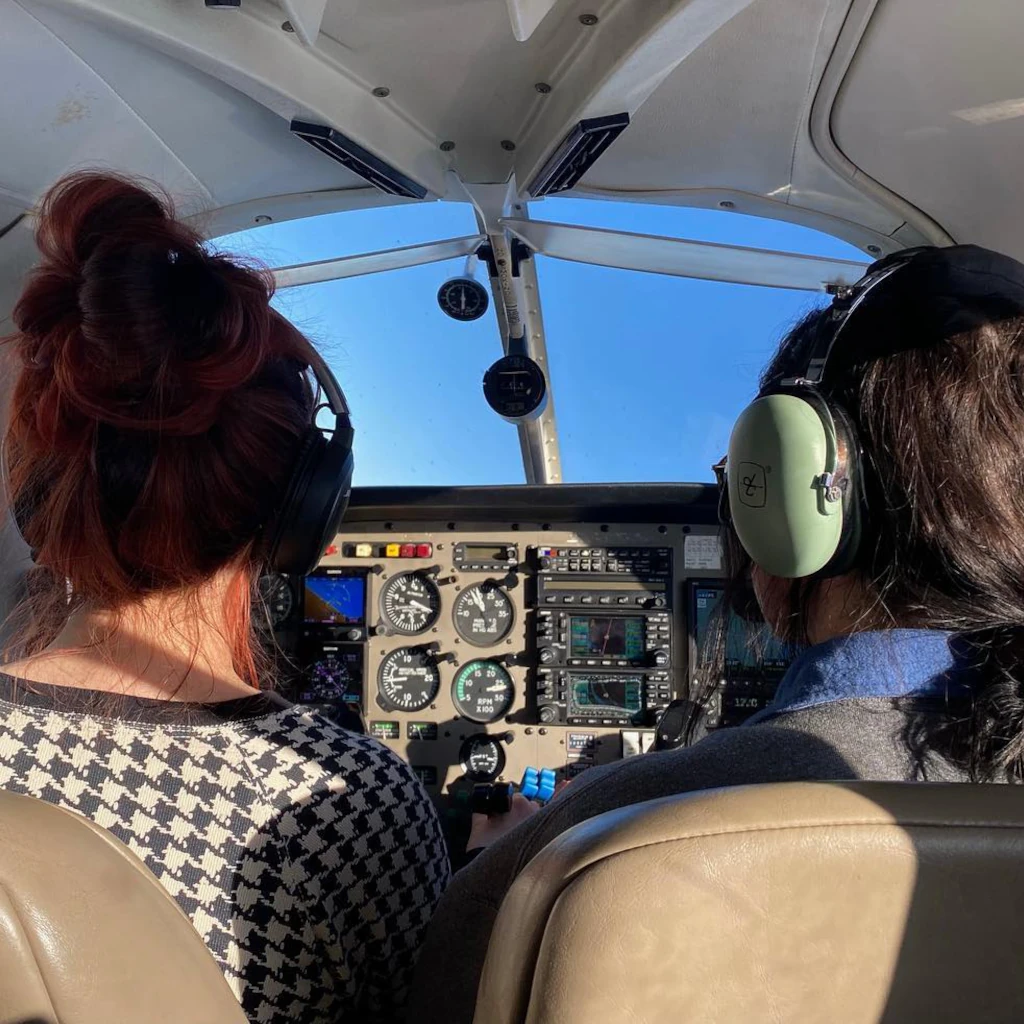
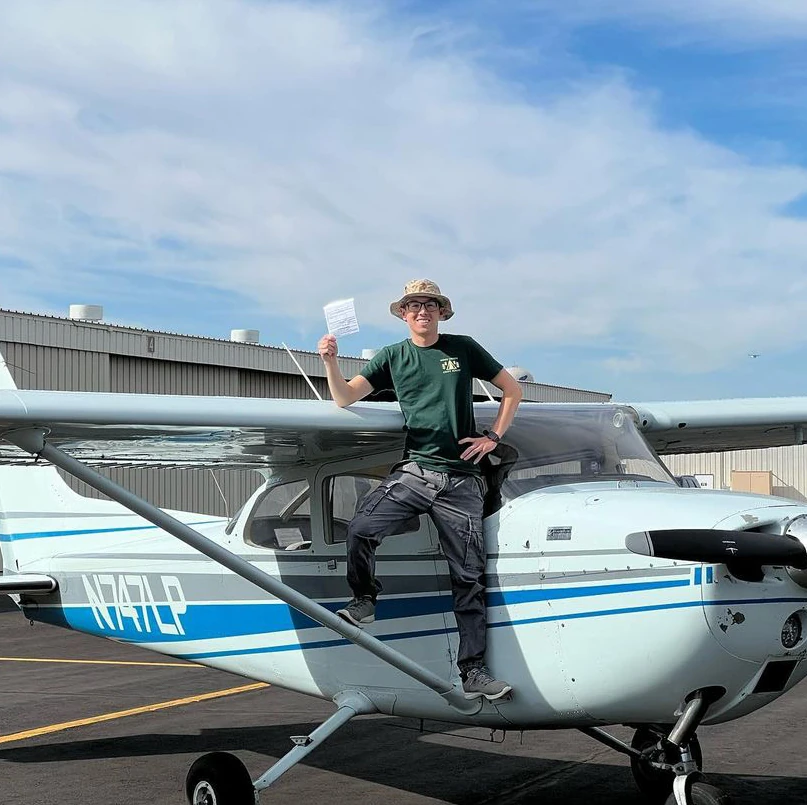
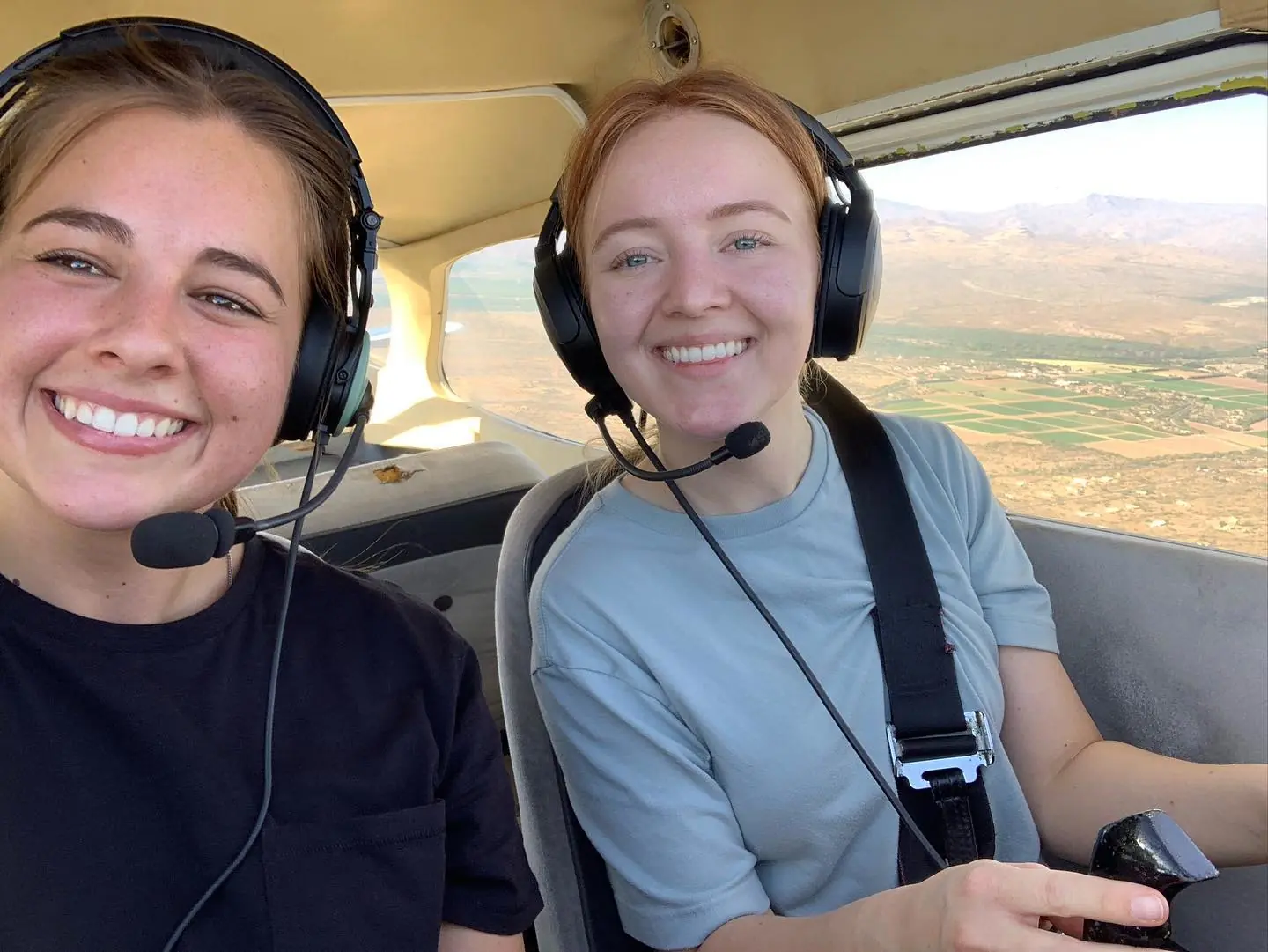
Consistent lessons help cockpit procedures feel familiar instead of rushed.
Do the Ground Work Before the Airplane Is Running
Another expensive mistake is treating ground study as separate from flying. The best time to meet a new concept is before the engine starts. Once the engine is running, your attention is split between aircraft control, radio calls, traffic, checklists, instructor guidance, and the environment around you.
Ground preparation gives your brain a head start.
For a new student, that may mean reviewing checklist flows, airport markings, basic weather, or the lesson objective. For an instrument student, it may mean chair-flying a procedure, reviewing avionics flow, or talking through a missed approach before practicing it in the aircraft.
The goal is less cockpit overload.
If you know you struggle with self-study, say that early. We would rather help you build a study routine than watch you feel stuck. Our training approach is built around clarity, structure, and practical steps so students know what matters.
Treat Checklists Like a Cockpit Skill
Checklists can feel slow when you are eager to fly. That feeling is normal. The problem starts when a student treats checklists as paperwork instead of cockpit discipline.
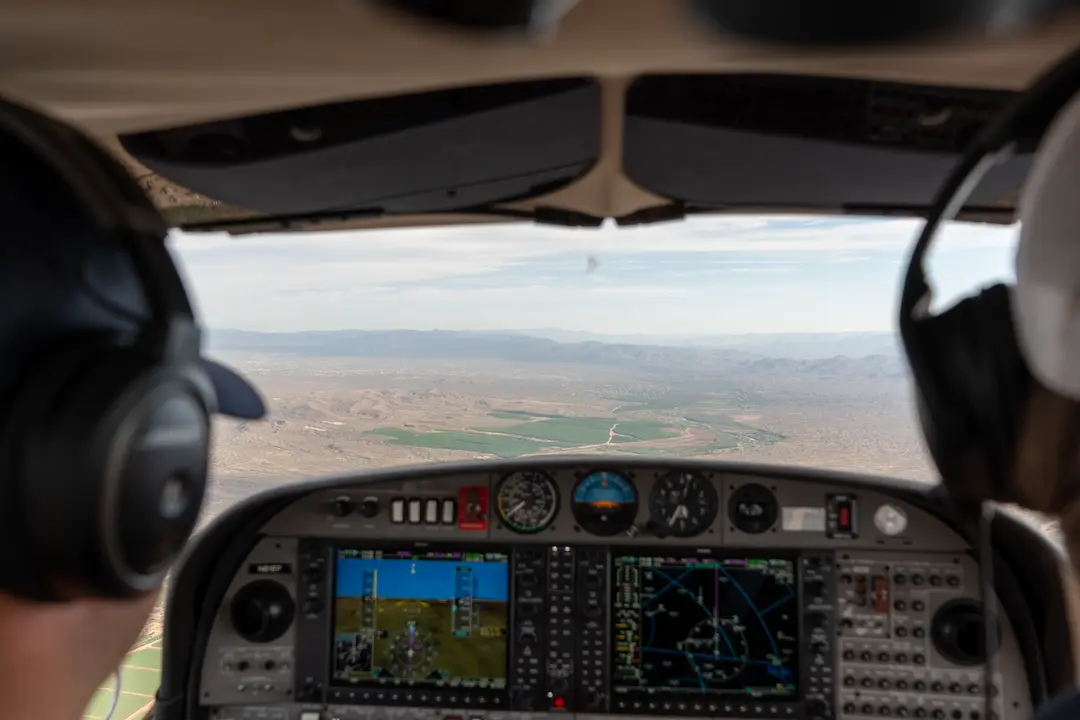
Checklist use builds a repeatable habit so routine tasks have a backup when the cockpit gets busy.
A better approach is to learn the flow, then verify with the checklist. Over time, the process becomes smoother:
- You understand what the item means.
- You know where to look.
- You catch missed steps earlier.
- You build confidence without rushing.
This is one reason we emphasize correct habits from day one. The habits you build during early training follow you into later certificates, ratings, and aircraft. If your next goal includes more advanced training, our Instrument Rating program is a good example of why disciplined flows and scan habits matter as workload increases.
Speak Up Before Confusion Becomes a Pattern
Many students wait too long to ask questions. They may worry about slowing the lesson down, looking unprepared, or admitting that a maneuver, radio call, or concept still feels fuzzy.
That silence costs more than the question.
A good instructor wants to know where the confusion is. If you are unsure about trim, airspeed control, radio phraseology, airspace, weather, or what happened on the last landing, say it plainly. The debrief is where the next lesson gets sharper.
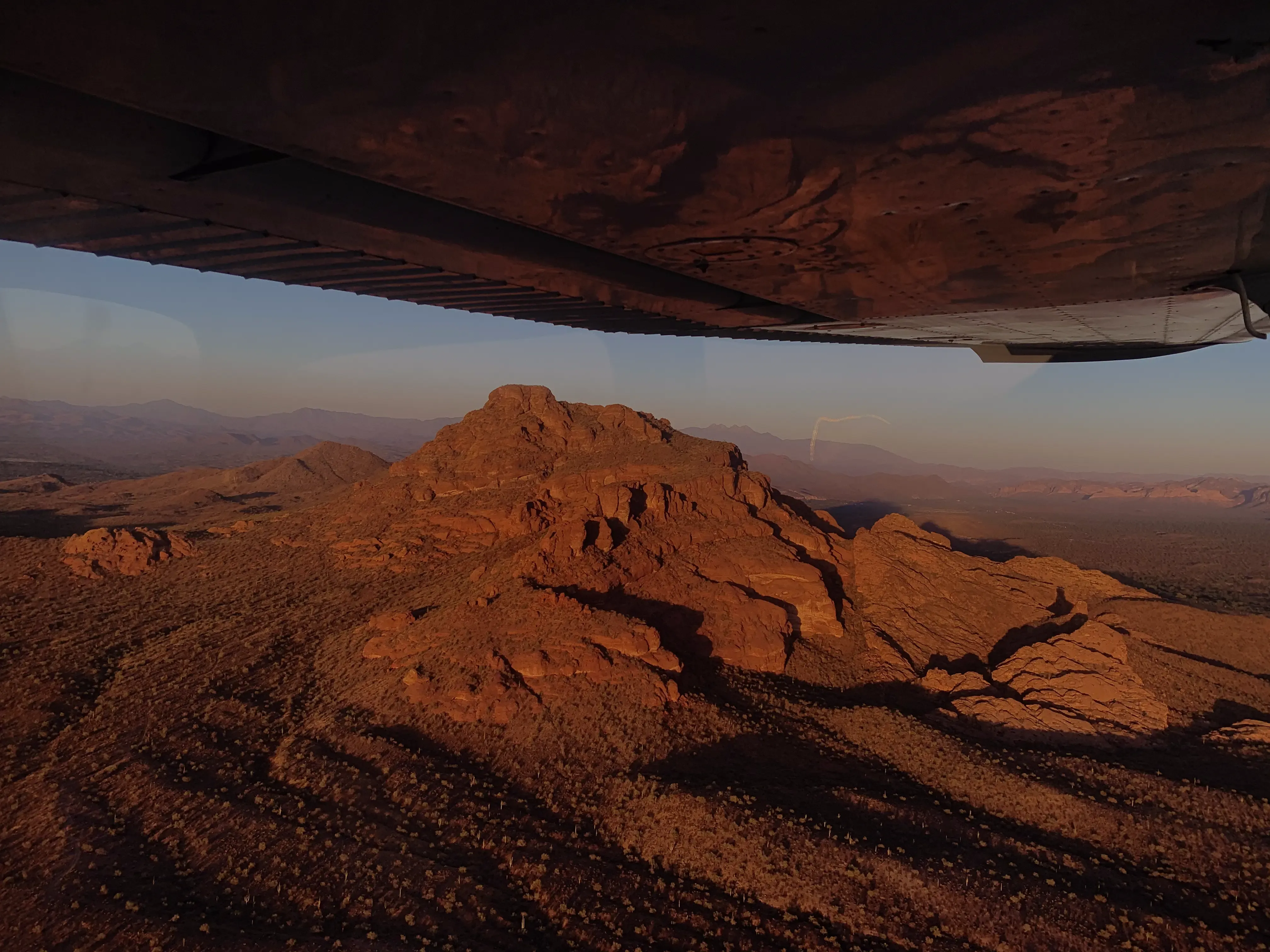
At Falcon Field, students get meaningful exposure to a real airport environment. That can make training exciting, and it can also make early lessons feel busy. Honest communication, repetition, and a clear practice plan help that busy environment become manageable.
For more help with the school-selection side of training support, read our guide on how to choose a flight school. The right environment should make questions easier to ask.
Plan the Money Before Training Friction Shows Up
Flight training is a serious investment, and one of the biggest mistakes is starting with only a rough idea of the cost. Financial stress can interrupt training momentum when aircraft rental, instructor time, ground instruction, supplies, written tests, checkride fees, and possible extra practice are missing from the plan.
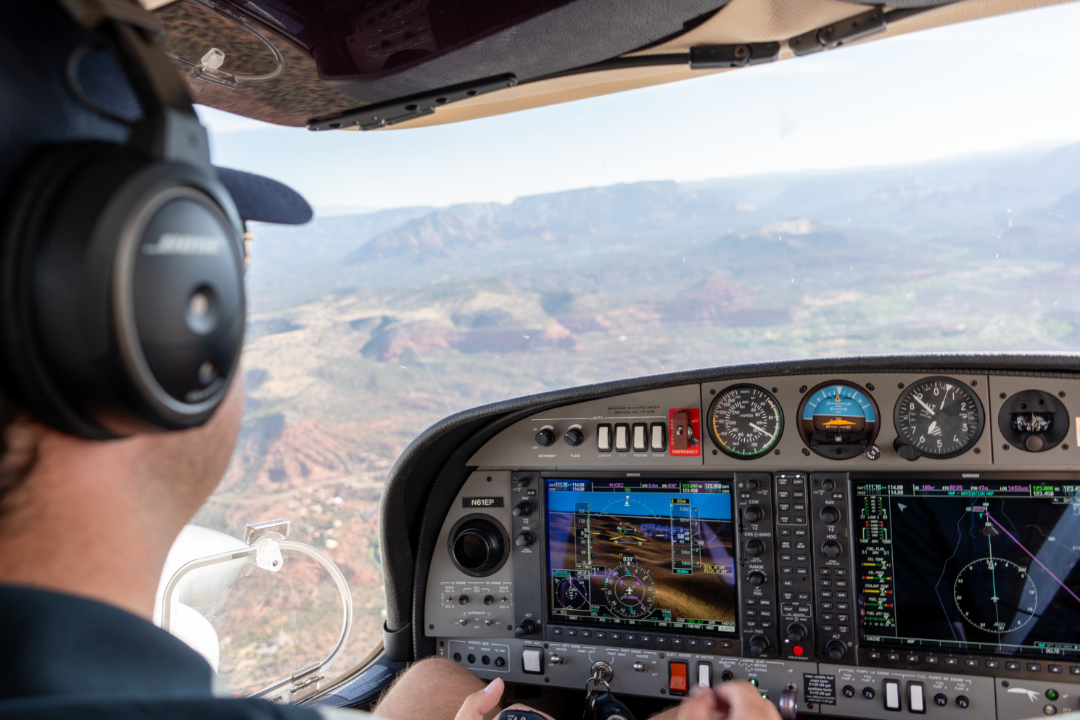
Start with a clear planning conversation, even while some details are still taking shape.
At SimpliFly, we point students toward transparent cost planning and financing resources early because financial surprises create avoidable stress. Review our approximate pilot training costs and financing options before you build your training schedule. We partner with Stratus Financial, Flight Training Finance, and AOPA Finance, and each option may fit a different student situation.
The mistake is thinking financing is only a backup plan. For many students, it is part of building a steady training rhythm instead of stopping and starting whenever cash flow changes.
Choose the Program Path That Matches Your Real Goal
Another common mistake is choosing the next step because it sounds impressive instead of choosing the one that matches your goal.
If you want to fly for fun, your early decisions may look different from someone pursuing a professional pilot path. If your career goal includes commercial training or instructing, your plan should account for later certificates and ratings from the beginning. If you are still exploring, the first step may be experience and clarity before a full career decision.
Here is a simple way to think about it:
| Goal | Program to review | What we can help you clarify |
|---|---|---|
| Learn to fly for personal use | Private Pilot | Schedule, study plan, expected training rhythm |
| Build stronger weather and navigation skills | Instrument Rating | Workload, cockpit flow, proficiency goals |
| Move toward paid flying | Commercial Pilot | Sequence, time-building, and next certificates |
| Teach and build experience | Certified Flight Instructor | Instructor readiness and training structure |
There is no prize for picking a path fast, it is better to find the one that connects your goal, budget, schedule, and drive.
FAQ: Avoiding Flight Training Mistakes
How often should I fly during flight training?
The best rhythm depends on your schedule, budget, and goals, but consistency matters. Long gaps can make skills rusty. If you cannot train full time, a realistic part-time schedule is better than a plan you cannot maintain. Our enrollment team can help you compare options.
What should I study before my first flight lesson?
Start with the basics your instructor assigns: lesson goals, checklist flow, airport familiarization, and any introductory ground materials. Focus on arriving curious, prepared, and ready to ask questions.
Is it bad to make mistakes during flight training?
No. Mistakes are part of learning. The problem is repeating the same mistake without understanding why it happened. Use each debrief to identify the cause, the correction, and what to practice before the next lesson.
Can poor planning make flight training more expensive?
Yes, poor planning can create unnecessary friction. Inconsistent scheduling, weak preparation, and unclear cost expectations can lead to repeated review or training pauses. Use our flight school cost FAQ and financing resources to plan with fewer surprises.
Should I start with a discovery flight?
If you are unsure whether flight training is right for you, a discovery flight is a smart first step. It lets you experience the aircraft, the airport environment, and the training style before making a larger commitment. You can book a Discovery Flight when you are ready.
Build Better Habits From the First Lesson
The best way to avoid common flight training mistakes is to build a training system that keeps you prepared, consistent, honest, and supported.
That is what we help students do at SimpliFly. We will talk through your goals, training pace, budget, and first steps so you can begin with a plan instead of guessing your way forward.
Ready to see how training feels from the cockpit? Book your Discovery Flight and take your next step toward becoming a pilot.