Why the Cessna 172 Is a Go-To Training Aircraft
Published by:
Greg Hadley
In This Article
The Cessna 172 has earned its place in flight training because it does a rare thing well: it lets a new pilot feel the real airplane without overwhelming the lesson. You still have to manage pitch, power, trim, traffic, radio calls, checklists, and weather decisions. But the airplane gives you a steady, readable platform while you learn those habits.
At SimpliFly Flight School in Mesa, AZ, our Cessna 172 aircraft are part of how we help students move from “I want to fly” to “I know what to do next.” If your goal is to become a pilot, understanding why this aircraft shows up in so many training fleets can help you choose your first step with more confidence.
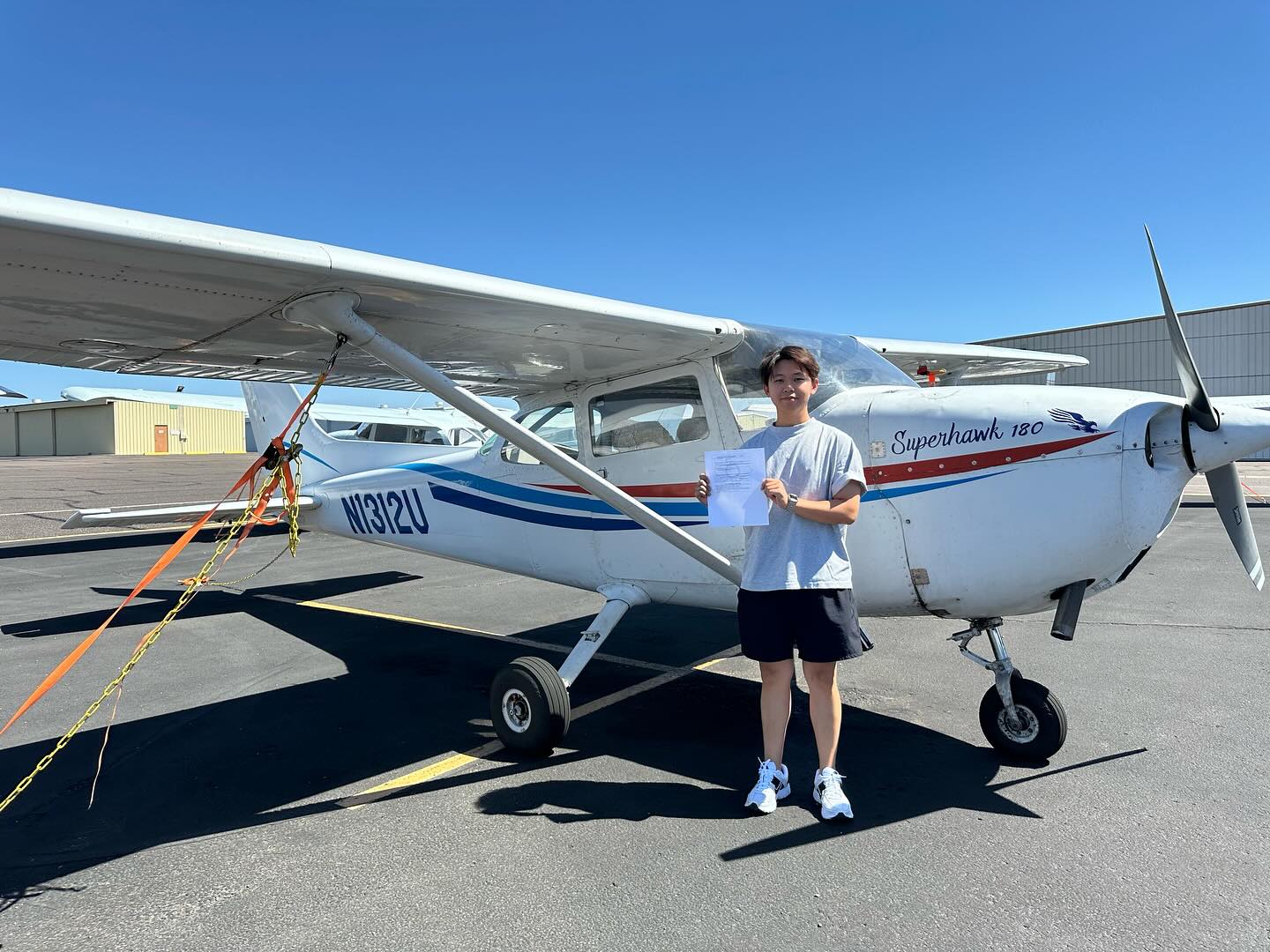
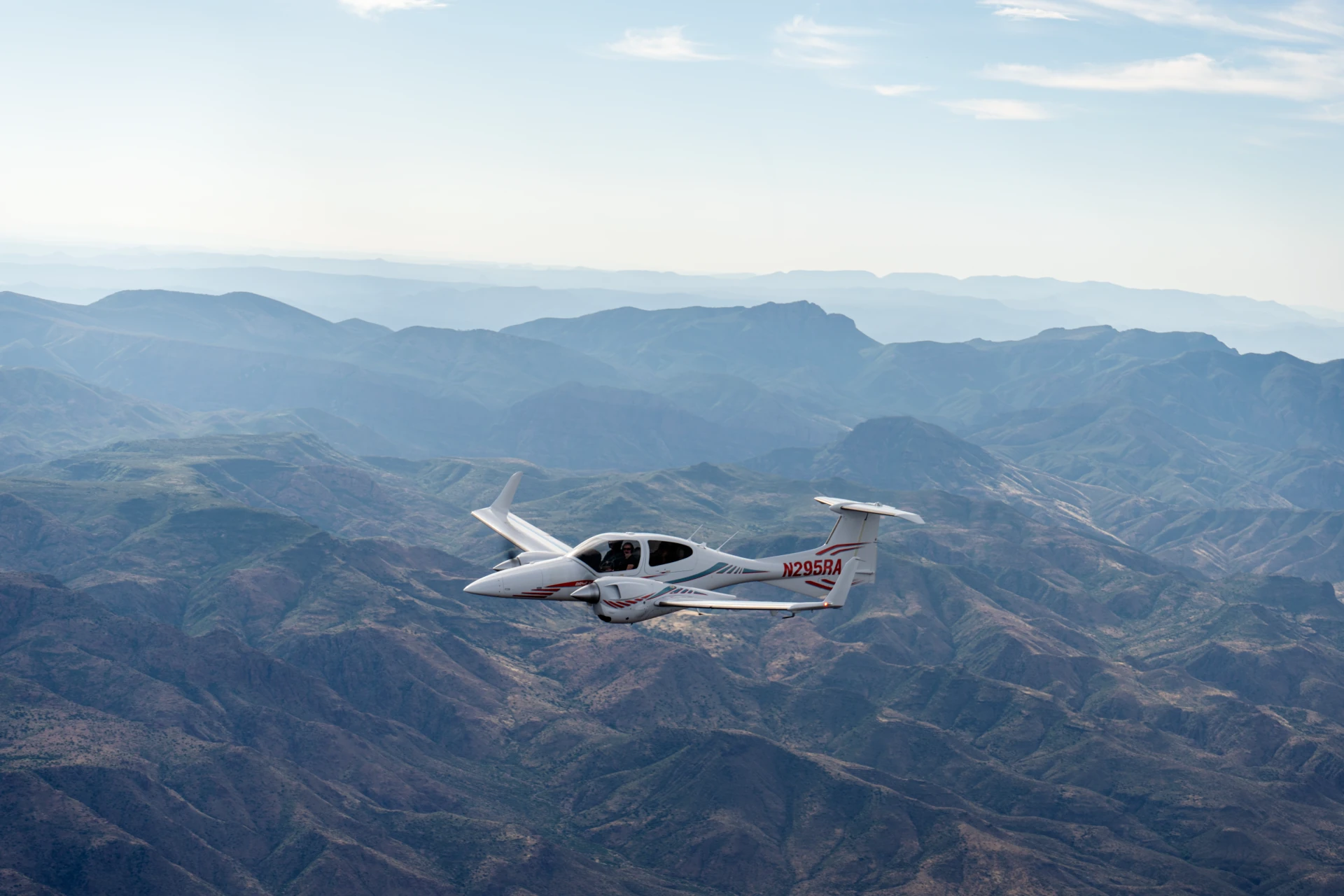
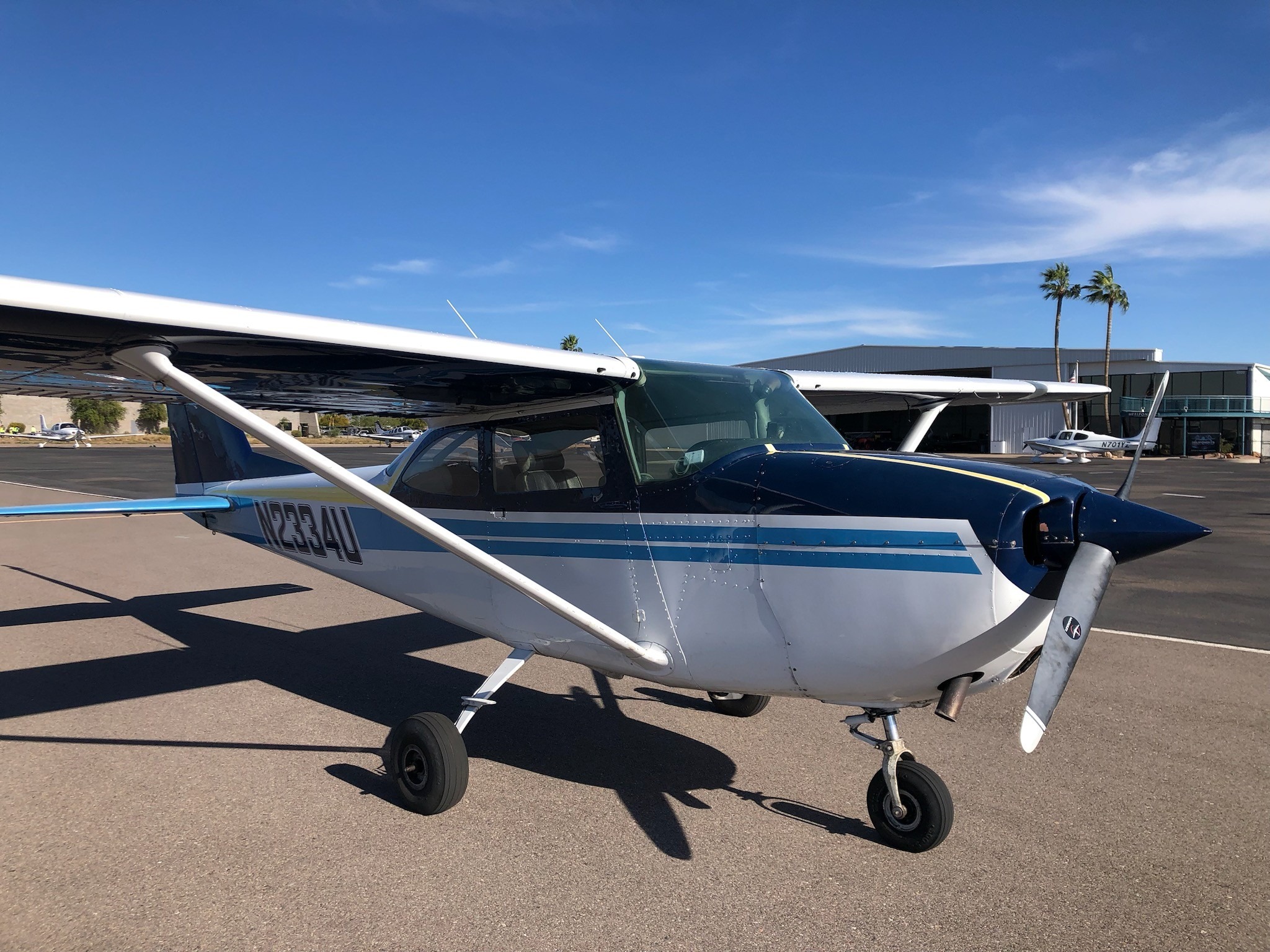
A Cessna 172 gives student pilots a steady place to build the basics.
A Stable First Classroom
Early flight training is not just about getting the airplane off the ground. It is about learning to make small, accurate corrections while your brain is processing a dozen new inputs at once. The 172 helps because it is known for predictable handling and a stable feel in normal training maneuvers.
That matters when you are learning to hold altitude, coordinate turns, trim the aircraft, and recognize what the airplane is telling you.
In our Private Pilot program, that kind of consistency helps students build the foundation they will use in every later certificate or rating. The habits you develop in the first few hours often follow you for a long time, so the airplane needs to support repetition without making the basics feel mysterious.
Improved Visibility
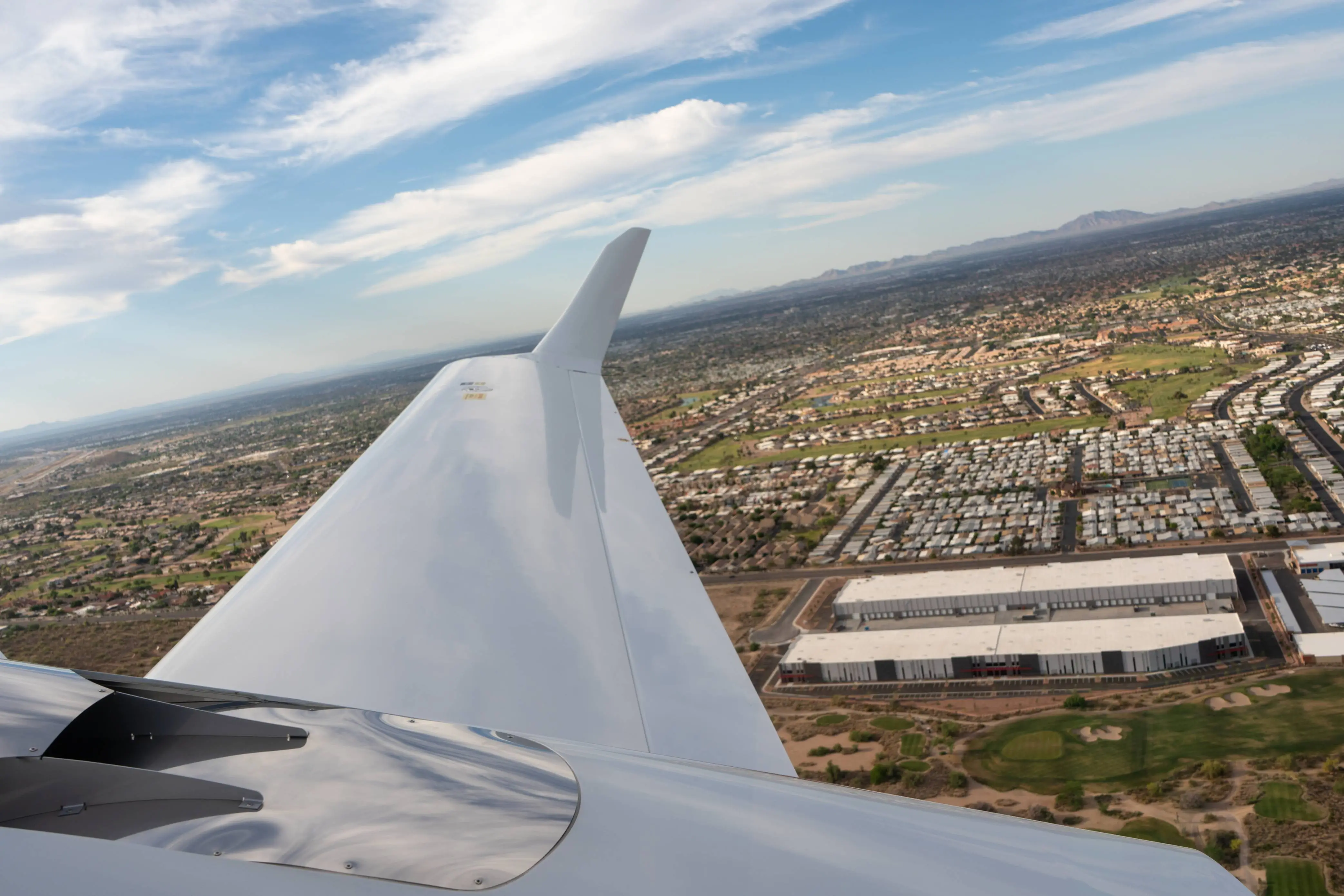
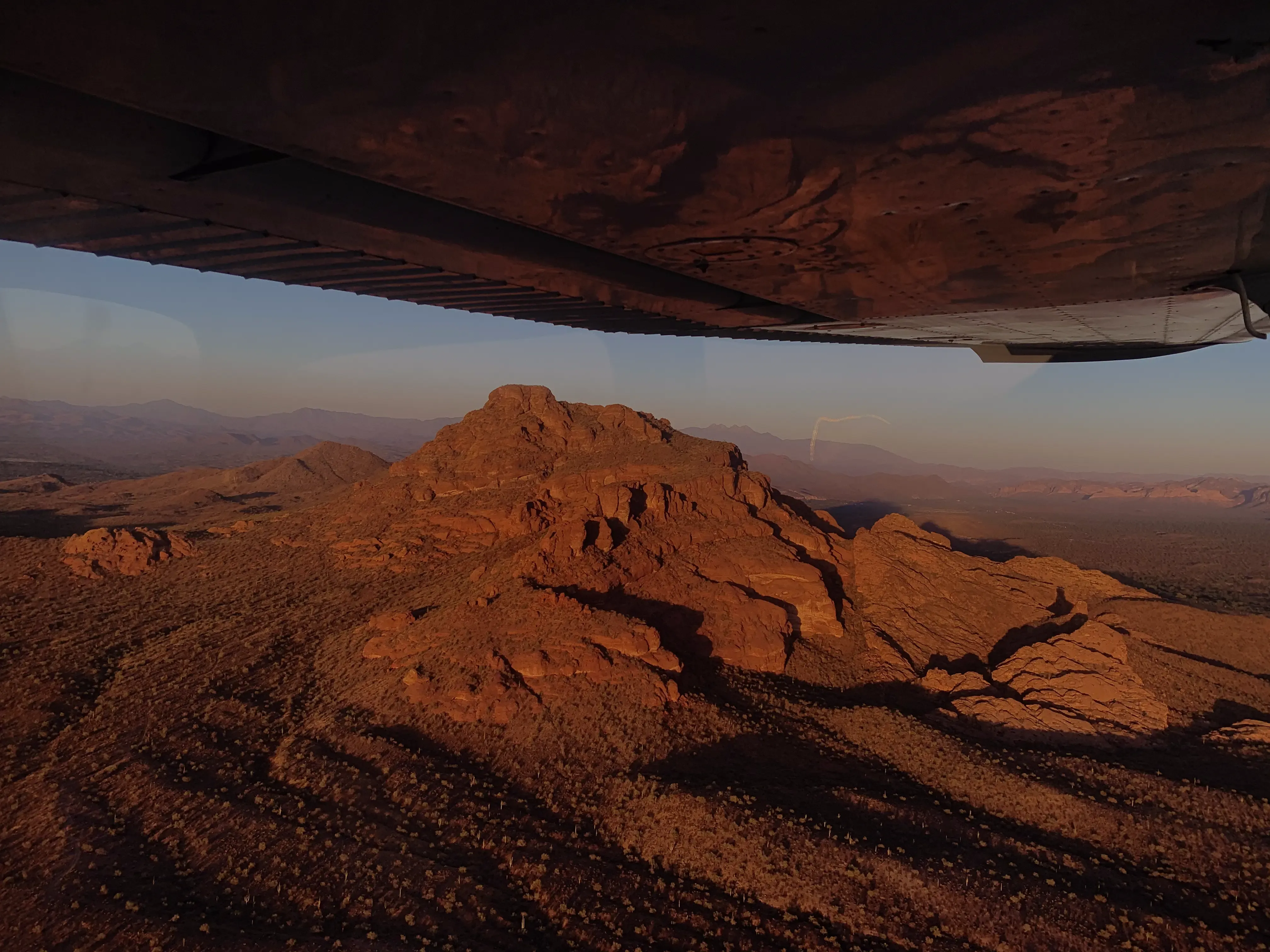
The Cessna 172’s high-wing design gives students strong outside visibility, which is useful from the first preflight briefing through pattern work and cross-country lessons. You can look outside, compare what you see with your instruments, and start connecting the picture out the window to the decisions you are making.
That outside view supports traffic scanning, runway alignment, ground reference maneuvers, and confidence in the pattern. It also helps instructors teach visually. When your instructor points out a landmark, a traffic conflict, or a wind correction, you can usually see the lesson unfolding in front of you.
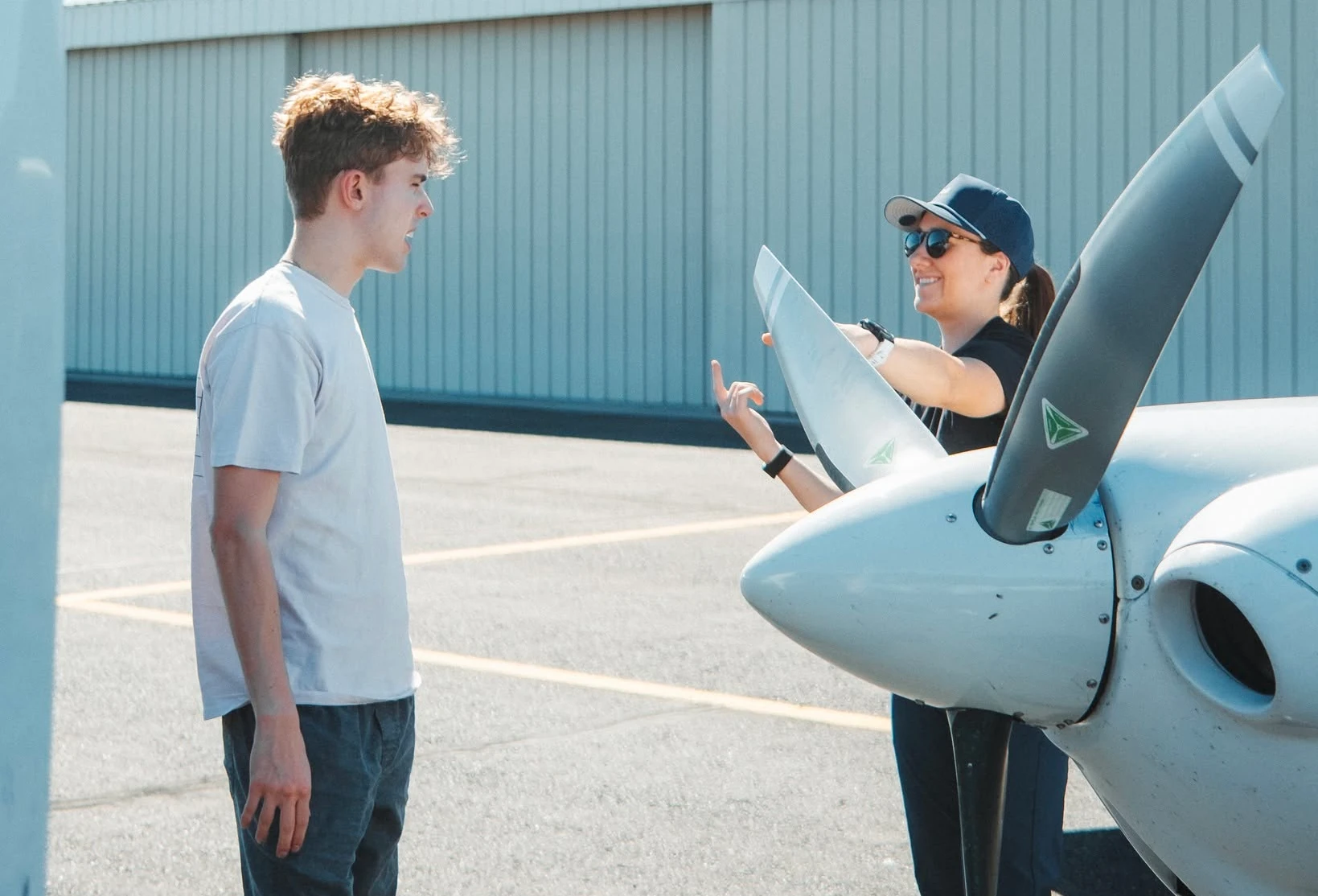
Students also need to grow comfortable with real airport procedures and radio communication and a steady trainer gives you room to manage the cockpit while you build those local flying habits. For many students, pairing the 172 with a Discovery Flight is the first time aviation stops feeling abstract and starts feeling possible.
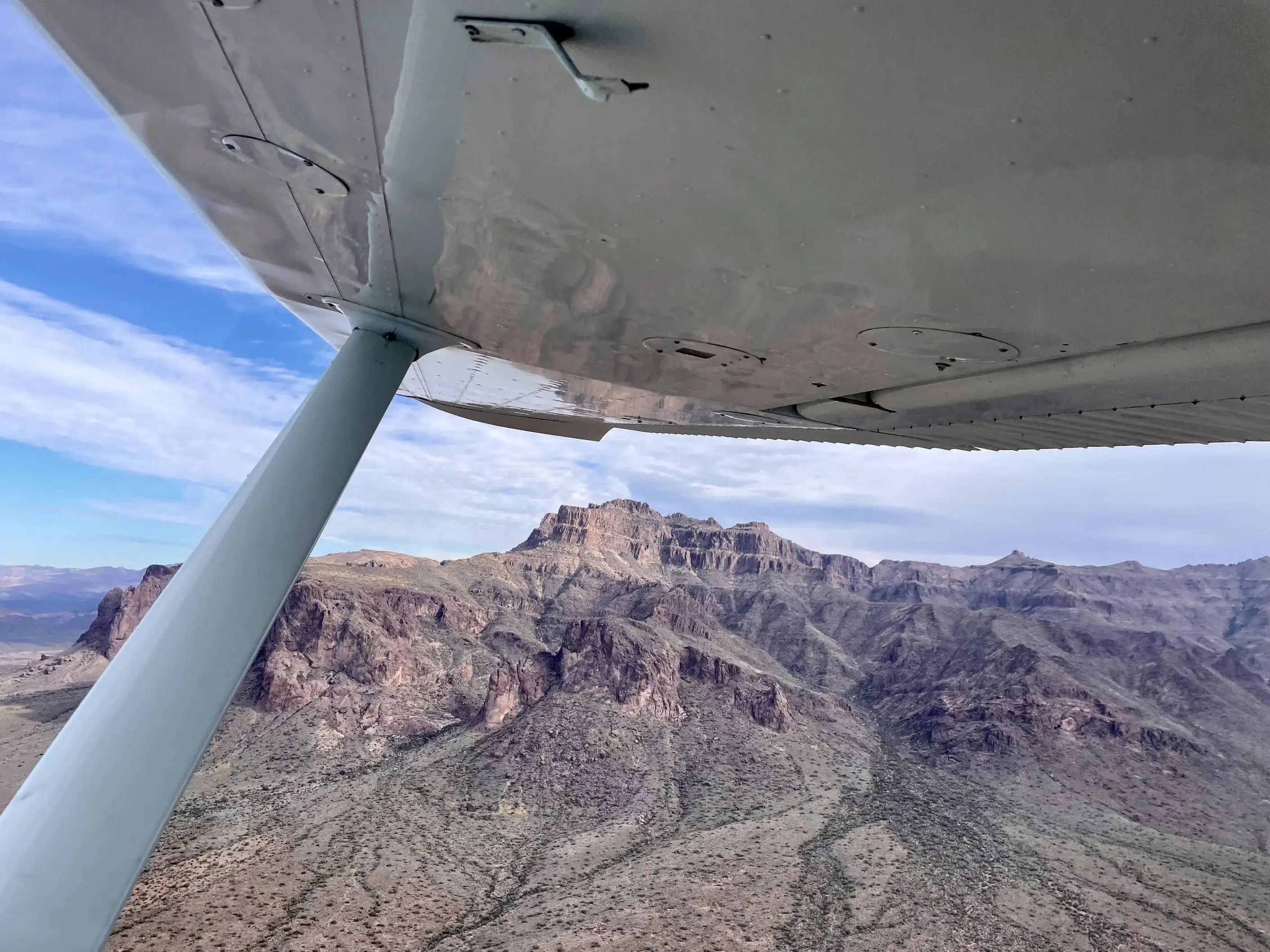
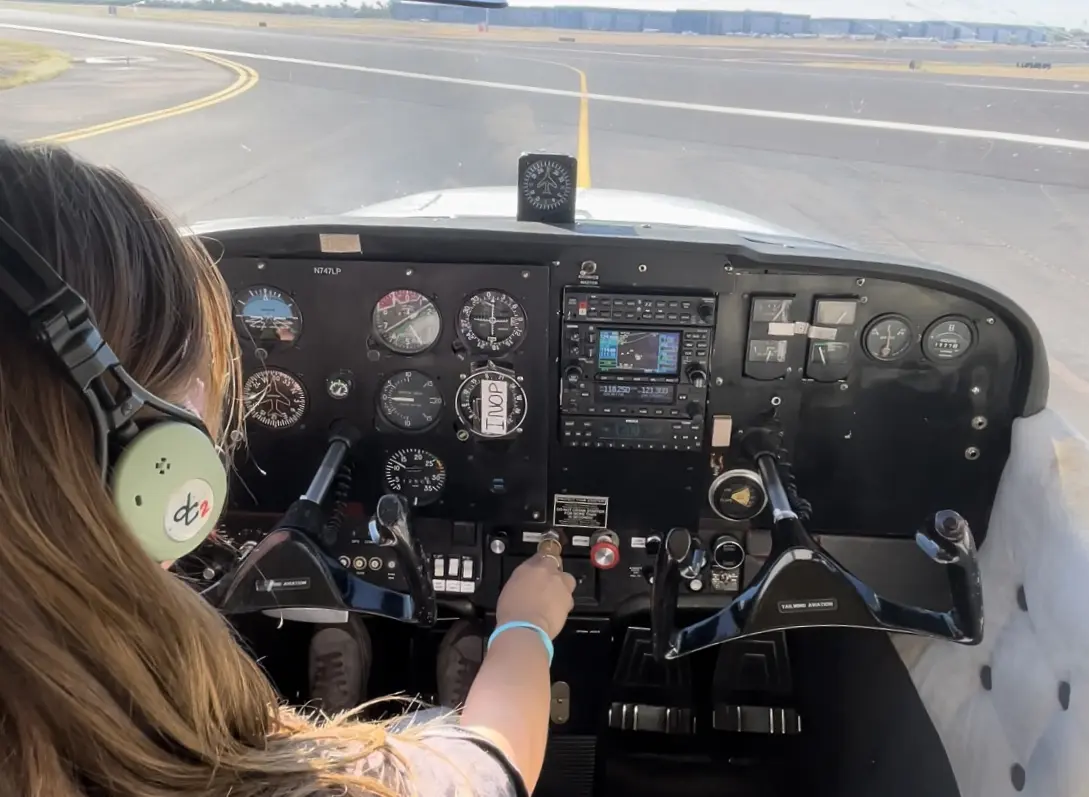
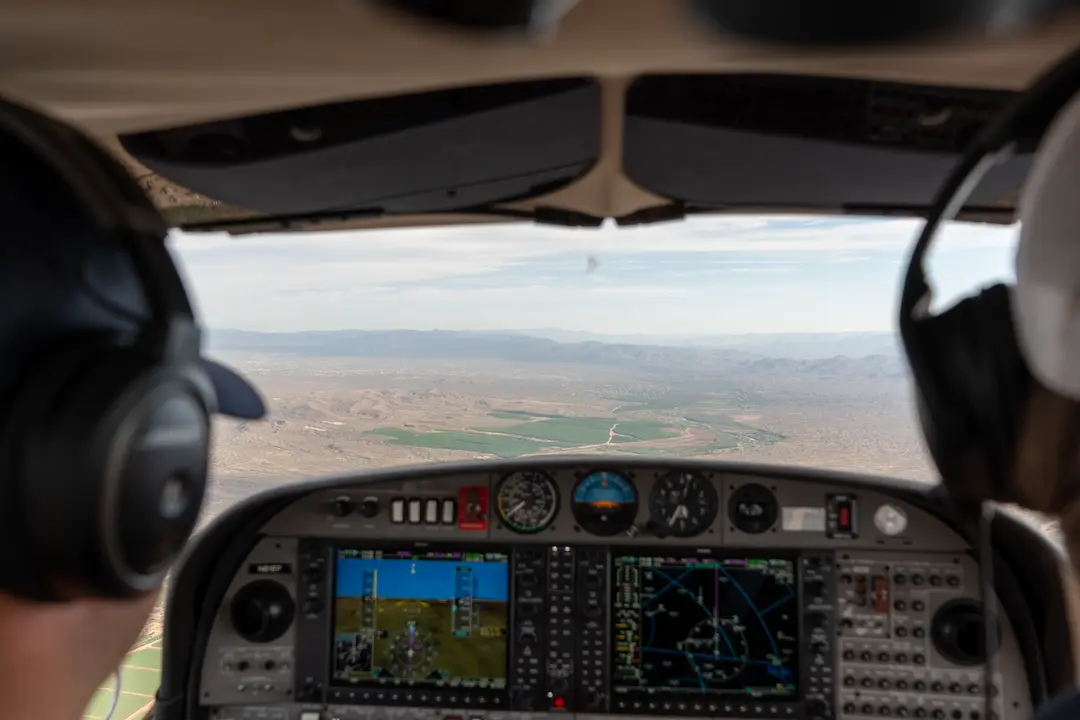
Training starts with cockpit habits, airport awareness, and steady repetition.
It Fits More Than One Stage of Training
One reason flight schools often rely on the Cessna 172 is that it can support more than the first few lessons. Students can use it for pattern work, basic maneuvers, cross-country planning, instrument familiarization when properly equipped, and the kind of repeated practice that turns procedures into habits.
That does not mean every 172 is equipped the same way. Avionics, engine configuration, and individual aircraft details vary. In our fleet, different Cessna 172 aircraft include combinations such as Garmin navigation equipment, dual Garmin G5s, standard six-pack instruments, and other training-friendly setups. However, instead of memorizing equipment names on day one, it is more important to focus on learning how the airplane’s systems support the lesson you are working on.
As you progress, you may train in other aircraft too. Our fleet is selected to support different stages of training, including more advanced ratings and multi-engine work. But the 172 remains a useful bridge because it helps students build confidence before the workload increases.
Balanced Training Value and Practical Costs
Flight training is an investment, and aircraft choice affects that investment. Schools often value the 172 because it is a familiar, supportable training platform with broad parts and maintenance knowledge across general aviation. For students, that practical side can help make training more predictable.
Cost still depends on your pace, readiness, schedule, aircraft availability, instructor time, checkride preparation, and FAA requirements. That is why we encourage students to look at the whole plan instead of judging training by one hourly rate. Our flight training estimator and financing resources can help you think through the bigger picture before you enroll.
The best aircraft for training is not simply the cheapest one. It is the aircraft that helps you make steady progress, build correct habits, and use your lesson time well.
The 172 Has a Wild Place in Aviation History
The Cessna 172 is practical, but it also is part of one of aviation’s great endurance stories. From December 4, 1958, to February 7, 1959, Robert Timm and John Cook kept a modified Cessna 172 Hacienda aloft for 64 days, 22 hours, 19 minutes, and 5 seconds, setting the record for longest time flying an aircraft.
That flight was not normal flight training. The aircraft was modified and refueled in flight, and the point of the story is not that an airplane should be treated like an endurance machine. Instead, it is that the 172 became famous for being dependable enough to become part of an almost unbelievable aviation challenge.
You can read the official record listing from Guinness World Records. For a student pilot, this feat is a memorable reminder that some aircraft earn trust through thousands of ordinary lessons and a few extraordinary stories.
Use the Aircraft to Judge Your Training Fit
If you are just starting, the aircraft should help you answer three questions:
| Student question | Why the Cessna 172 helps |
|---|---|
| Can I learn the basics without being overloaded? | Its stable, predictable feel supports repetition and correction. |
| Will I build habits that transfer? | It supports core skills like pitch and power control, navigation, checklists, and cross-country planning. |
| Can I grow into more advanced training later? | It can serve early lessons and continue supporting training as your workload increases. |
The Cessna 172 is not magic, and it does not replace good instruction. What it does well is give students a clear, consistent environment where instruction can stick. That is why so many pilots remember their first 172 lessons long after they move into more complex aircraft.
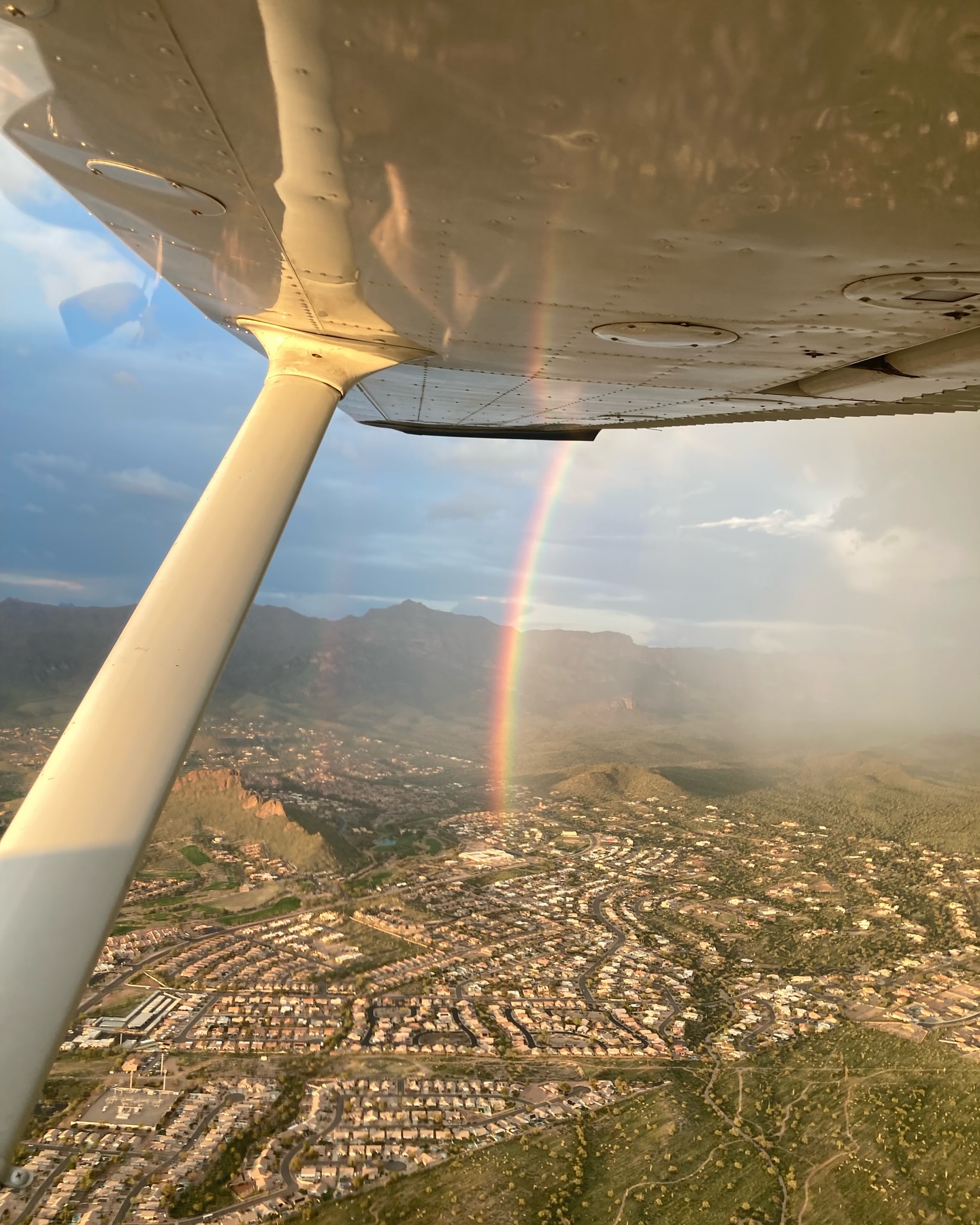
The Cessna 172's long training legacy includes everyday lessons and one remarkable endurance record.
Start With the Airplane, Then Build the Plan
Choosing a flight school is bigger than choosing one aircraft, but the aircraft tells you something about the training environment. A good trainer should help you practice often, understand your mistakes, and grow into the next lesson with more confidence.
If you are ready to see what the Cessna 172 feels like from the pilot seat, schedule a Discovery Flight. We will help you connect the airplane, the training path, and your next step toward becoming a pilot.