Am I Too Old to Become a Pilot? What to Know
Published by:
Greg Hadley
In This Article
You may have spent years looking up whenever an airplane passed overhead, only to wonder whether you waited too long. In reality, there is no general FAA maximum age for learning to fly or earning a private pilot certificate. The FAA’s guidance on pilot age limits identifies one key exception: commercial airline pilots employed by airlines certificated under Part 121 cannot serve as pilots after reaching age 65.
Age alone is rarely the deciding factor. Your health, goals, schedule, budget, and willingness to train consistently matter much more. Whether you want to fly for fun or explore a second career, the right first move is to understand which path fits your life. Our Private Pilot program is where most airplane students begin.
Replace the age question with a better one
Instead of asking, “Am I too old?” ask, “What do I want flying to become in my life?”
That answer changes the plan:
| Your goal | A practical starting point | What to plan around |
|---|---|---|
| Fly for recreation or personal travel | Private Pilot certificate | Medical eligibility, consistent lessons, and a realistic budget |
| Test whether flying feels right | Discovery Flight | One introductory experience with an instructor |
| Pursue paid flying | Private Pilot certificate followed by advanced training | Medical class, training timeline, hour building, and the job you want |
| Build skills around a current career | Part-time flight training | A repeatable weekly schedule and study time |
For many adult students, recreational flying is the clearest answer. A private pilot certificate can open the door to local flights, trips with family or friends, and a challenging skill that keeps growing with you. You do not need an airline job at the end for the training to be worthwhile.

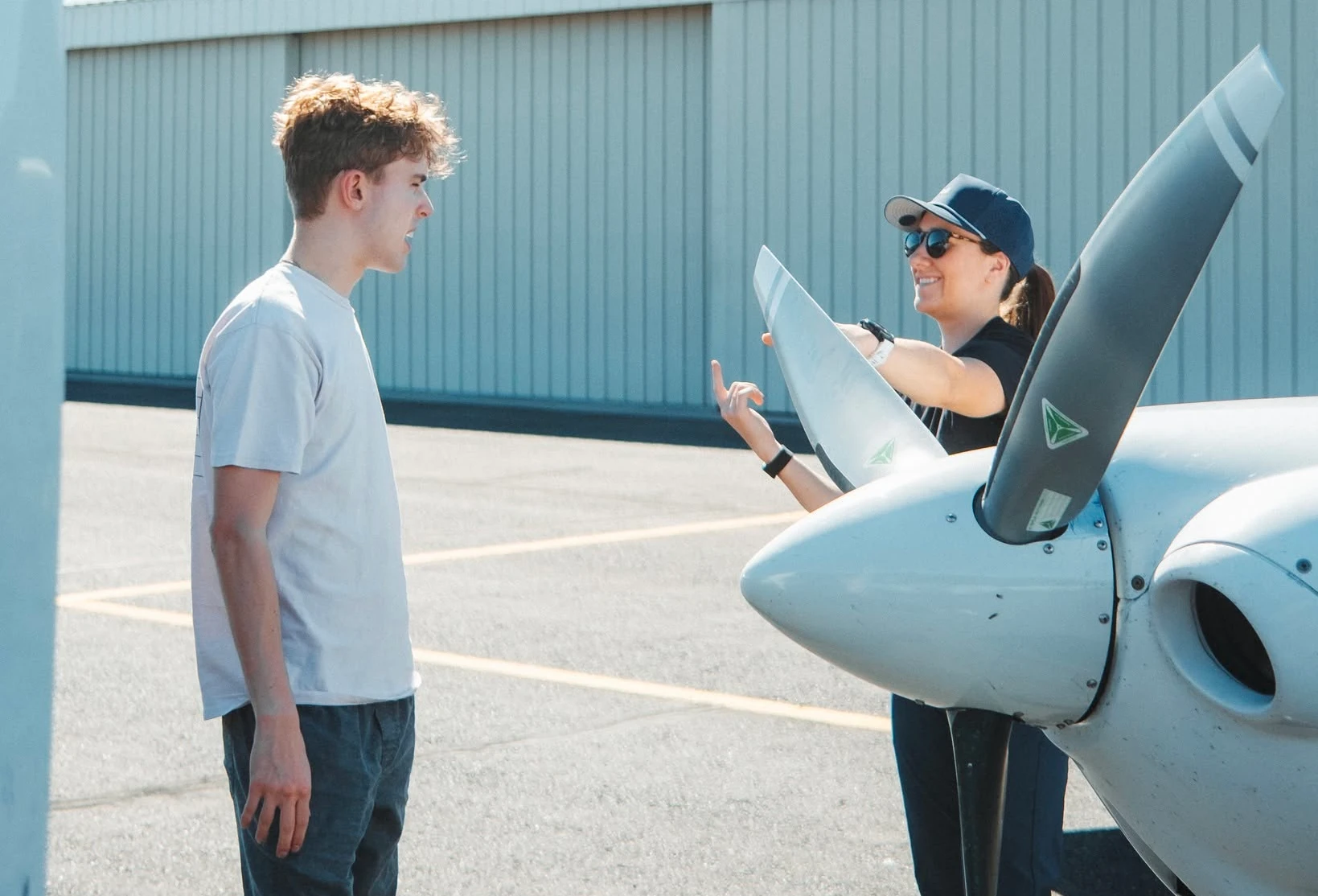
Students often begin by visiting the school and talking through the kind of flying they want to do.
Your medical eligibility matters more than your birthday
An appropriate medical qualification is needed before solo flight, but you can take lessons with an instructor before having one. That makes an introductory flight a sensible way to explore aviation without pretending you already know where the journey will lead.
If you have questions about a diagnosis, medication, previous procedure, or medical history, speak with an Aviation Medical Examiner before investing heavily in training. An AME can explain the FAA process for your individual situation. Our post on the FAA medical certification can help you prepare for that conversation.
Do not disqualify yourself based on an internet comment or someone else’s experience. Get accurate guidance early, then build your training plan from facts.
Consistency beats a quick start
Adult students often arrive with useful habits: they know how to prepare, manage a calendar, take feedback, and connect a lesson to a larger goal. Still, flight training asks everyone to develop new motor skills, procedures, radio habits, and decision-making.
The best approach is to create steady repetition.
- Schedule lessons at a frequency you can maintain.
- Protect study time between flights.
- Review each lesson while the details are fresh.
- Tell your instructor when a concept needs another explanation.
- Leave room for weather, maintenance, and life to move the calendar.
Long gaps can lead to extra review flights, which may increase the total cost of training. A realistic schedule is usually more valuable than an ambitious plan that collapses after three weeks. Our flight training timeline guide can help you see how the milestones fit together.
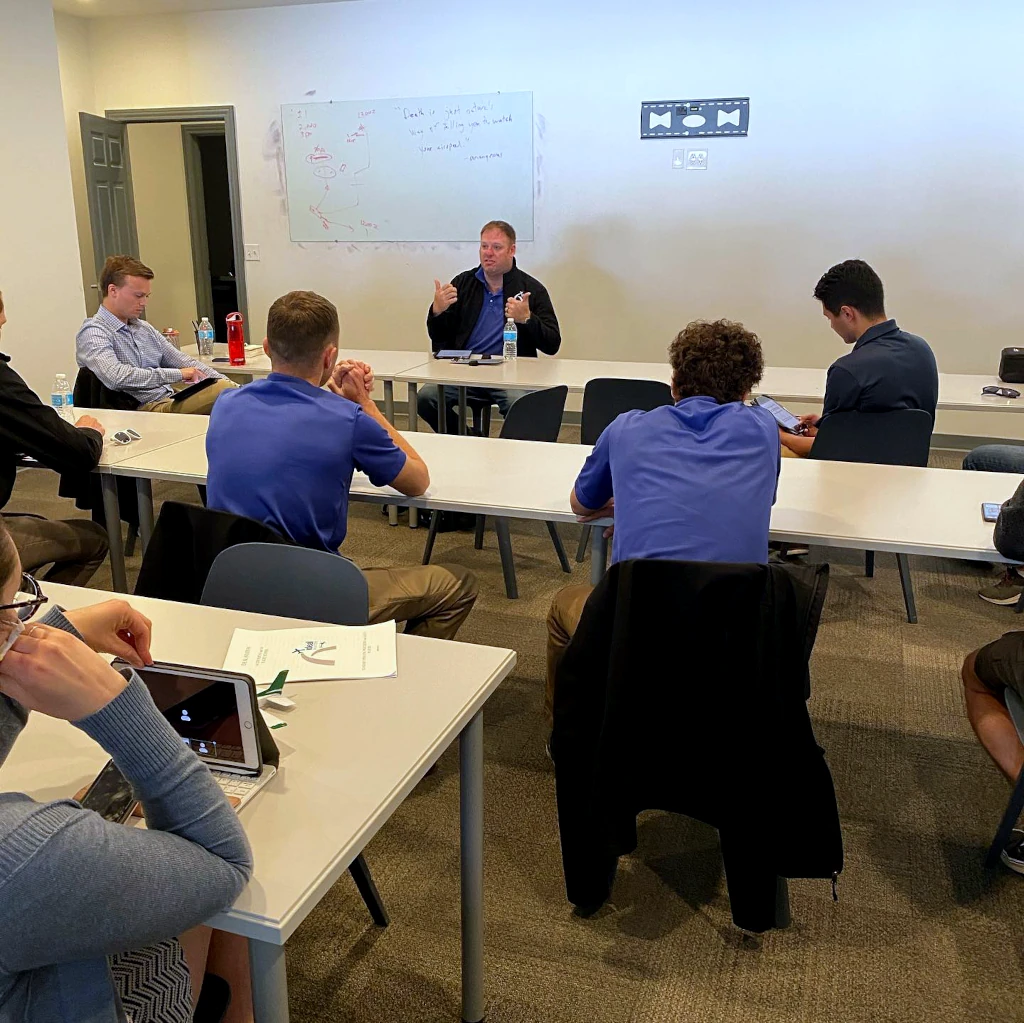
Ground lessons give students time to connect cockpit procedures with the reasons behind them.
Build a plan that respects work, family, and money
The practical barriers for an adult learner are usually not age. They are calendar pressure and financial uncertainty.
Before enrolling, decide how many lesson blocks you can protect in a normal week. Include drive time, preflight preparation, postflight discussion, and home study. If your plan only works during a perfectly quiet month, it is not yet a dependable plan.
Budget the same way. Flight training cost varies with lesson frequency, proficiency, weather, aircraft availability, and the amount of review you need. Use our pilot training cost calculator to build an estimate around your goal rather than relying on a single attractive number.
We also work with aviation financing providers for students who prefer to spread training costs over time. Review the flight training financing options carefully, including rates, fees, repayment timing, and what expenses are covered. Financing should support a workable training plan, not hide a budget that does not fit.
A later career change needs honest timeline math
You can begin professional pilot training later in life, but “Can I train?” and “Does this career path make sense for me?” are different questions.
Career-track pilots commonly progress through the Private Pilot certificate, Instrument Rating, Commercial Pilot certificate, and often a Certified Flight Instructor certificate while building experience. Each stage requires time, money, proficiency, and continued medical eligibility.
For commercial airline pilots employed by airlines certificated under Part 121, the age limit is 65. That limit does not apply to every kind of professional flying. Corporate, charter, instruction, aerial work, and other paths have different requirements and hiring realities. If an airline cockpit is your goal, work backward from the role you want and compare the available years with the time needed for training and experience.
This is not a reason to abandon the idea. It is a reason to choose with clear eyes. A professional pilot career plan should reflect your starting point rather than someone else’s timeline.
Your first flight can answer what research cannot
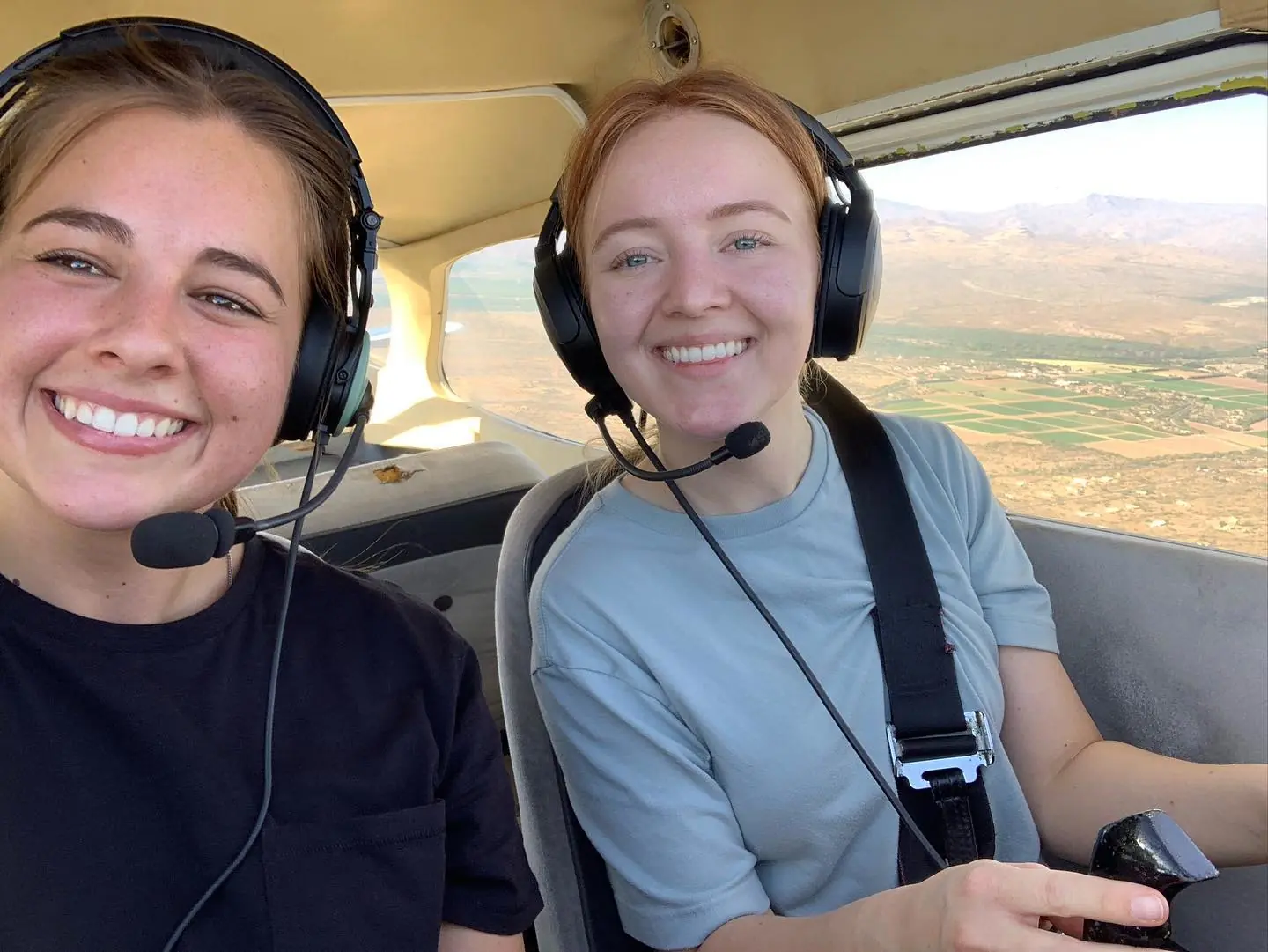
You can read about training for months and still not know how it feels to sit in the left seat, put on a headset, and follow an instructor through the first movements of the controls.
A Discovery Flight turns the question into an experience. At SimpliFly you fly with a certified flight instructor who can introduce the basics, let you experience the controls, and talk through your goals afterward.
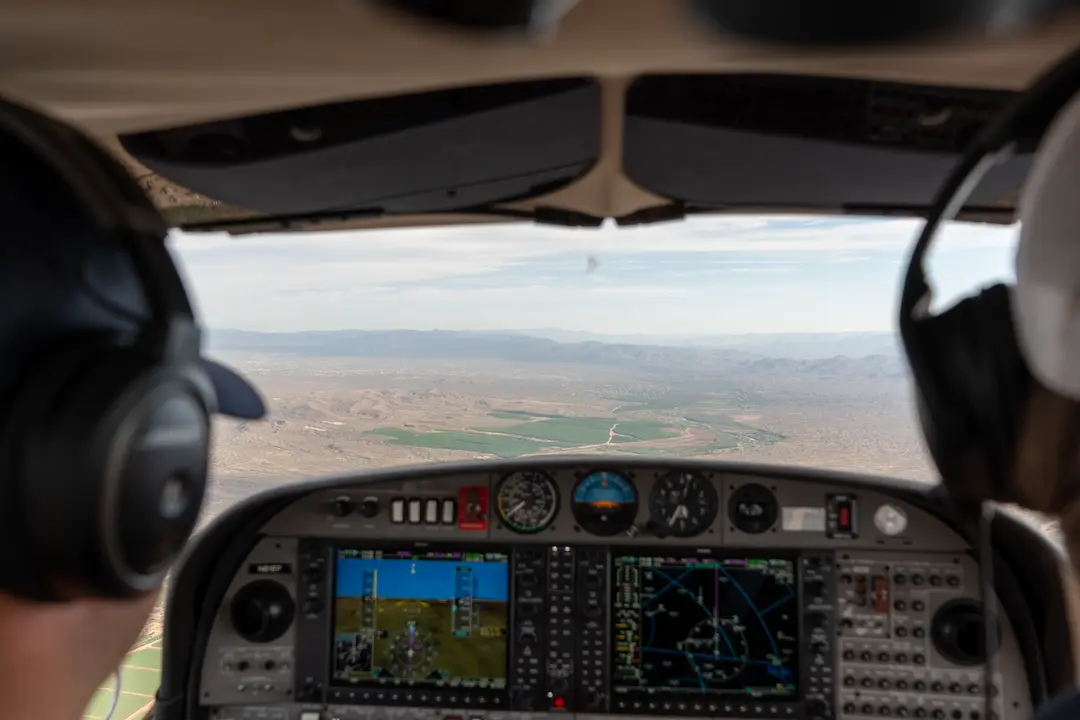
Notice what happens during that first flight. Are you curious when the instructor explains the instruments? Do you want to understand the radio calls? Does the challenge energize you enough to make room for regular training? Those reactions tell you more than your age does.

A first flight replaces the abstract question of age with a real view from the cockpit.
Questions student pilots ask us
Is there a maximum age for a private pilot certificate?
There is no general FAA maximum age for earning a private pilot certificate. You still need to meet the applicable knowledge, experience, proficiency, certification, and medical requirements. Start with the Private Pilot program overview to understand the training itself.
Can I take a flight lesson before getting an FAA medical?
Yes. You can take lessons with an instructor before you are ready to solo. Because medical questions can affect long-term plans, address them early and review the FAA medical process before making a large training commitment.
Is it harder to learn to fly when you are older?
Every student learns differently. Preparation and lesson consistency have a major influence on momentum at any age. A schedule that includes regular flying and study is more useful than comparing yourself with a younger student. See our part-time training strategies for a practical approach.
Can I become an airline pilot after changing careers?
Possibly, depending on your age, medical eligibility, finances, training pace, experience-building plan, and hiring conditions. Part 121 airlines cannot employ pilots after age 65, so use the pilot career pathway to plan backward from your intended job.
How much should I budget to start?
Your total depends on the program and how efficiently you progress. Begin with the flight training cost calculator, then compare savings and financing options before setting a lesson schedule.
What is the best first step if I am still unsure?
Book a Discovery Flight. It gives you a real cockpit experience and time with an instructor before you commit to a full training plan.
Find out from the pilot seat
You are not too old simply because you did not start earlier. The useful questions are whether you can meet the requirements, create a consistent schedule, support the cost, and choose a goal that feels worthwhile.
Book a Discovery Flight at SimpliFly and let your first lesson give you a better answer than another year of wondering.